
 Afiya Jafar
Fitness & Wellness Writer
Afiya Jafar is a fitness and wellness writer who focuses on making health, exercise, and healthy lifestyle information simple and practical.
Read Full Bio of Author →
Afiya Jafar
Fitness & Wellness Writer
Afiya Jafar is a fitness and wellness writer who focuses on making health, exercise, and healthy lifestyle information simple and practical.
Read Full Bio of Author →
 Sameena Begum
Health, Fitness & Digital Content Reviewer
Sameena reviews selected health, wellness, fitness, and digital content for clarity, factual presentation, and reader usefulness.
Read Full Bio of Reviewer →
Sameena Begum
Health, Fitness & Digital Content Reviewer
Sameena reviews selected health, wellness, fitness, and digital content for clarity, factual presentation, and reader usefulness.
Read Full Bio of Reviewer →
 Dr. Khizrana Begum
General Physician & Dermatologist
Dr. Khizrana Begum is a General Physician and Dermatologist with MBBS and MD qualifications and 5+ years of experience in the medical field.
Read Full Bio of Medical Reviewer →
Dr. Khizrana Begum
General Physician & Dermatologist
Dr. Khizrana Begum is a General Physician and Dermatologist with MBBS and MD qualifications and 5+ years of experience in the medical field.
Read Full Bio of Medical Reviewer →
Creating a high protein Indian meal is not restricted to a bodybuilder or professional sportsman anymore. As there is an increase in the level of awareness with regards to fitness, weight control, and metabolic health, there has been a growing number of individuals seeking a high protein Indian food chart that is feasible, inexpensive, and affordable to accommodate daily meals.
Indian food has a wide variety of food that is rich in proteins both in vegetarian and non-vegetarian form. Nevertheless, the most difficult part is to organize intake, protein density, and choose the cost-efficient alternatives that are not only able to meet the personal needs, i.e., muscle building, fat burning, or overall health preservation.
Understanding Protein Requirements
Protein intake depends on body weight, activity level, and fitness goals.
Recommended Daily Protein Intake
| Category | Protein Requirement |
| Sedentary adults | 0.8 g per kg body weight |
| Moderately active | 1.0 – 1.2 g per kg |
| Muscle gain | 1.5 – 2.2 g per kg |
| Fat loss | 1.2 – 1.8 g per kg |
Example Calculation
- Weight: 70 kg
- Goal: Muscle gain
- Protein needed: 70 × 1.8 = 126 grams/day
This intake can be achieved through a balanced Indian diet without relying entirely on supplements.
High Protein Indian Food Chart (Per 100g)
Vegetarian Protein Sources
| Food Item | Protein (g) | Calories | Cost (₹) | Protein Density | Best Usage |
| Soya Chunks | 52 | 345 | 10–20 | Very High | Curry, pulao |
| Paneer | 18–20 | 265 | 40–60 | High | Bhurji, tikka |
| Tofu | 10 | 76 | 80–120 | Moderate | Stir fry |
| Moong Dal | 7 | 105 | 20–30 | Moderate | Dal, sprouts |
| Masoor Dal | 9 | 116 | 20–30 | Moderate | Curry |
| Chickpeas | 19 | 164 | 30–50 | High | Chole |
| Rajma | 8 | 127 | 30–50 | Moderate | Rajma chawal |
| Peanuts | 26 | 567 | 10–20 | High | Snacks |
| Almonds | 21 | 579 | 80–100 | High | Snacks |
| Milk | 3.4 | 42 | 25–35 | Low | Daily use |
| Curd | 3.5 | 98 | 30–40 | Low | Side dish |
| Greek Yogurt | 10 | 59 | 40–60 | Moderate | Breakfast |
| Oats | 13 | 389 | 20–30 | Moderate | Breakfast |
Non-Vegetarian Protein Sources
| Food Item | Protein (g) | Calories | Cost (₹) | Protein Density | Best Usage |
| Chicken Breast | 31 | 165 | 150–250 | Very High | Main meals |
| Eggs | 6 per egg | 70 | 6–8 each | High | Breakfast/snacks |
| Fish | 22 | 200 | 200–400 | High | Curry |
| Prawns | 24 | 99 | 300–600 | High | Premium diet |
| Mutton | 25 | 294 | 600+ | High | Occasional |
Protein Distribution in Indian Foods
Approximate Protein Contribution Breakdown
- Legumes and pulses: 30%
- Dairy products: 25%
- Soy-based foods: 20%
- Nuts and seeds: 15%
- Grains: 10%
This distribution highlights that relying solely on dal is insufficient. A diversified approach ensures adequate amino acid intake.
Cheapest Protein Sources in India
Cost is a critical factor in maintaining a high-protein diet consistently.
Cost per 10g Protein Comparison
| Food | Cost | Protein | Cost per 10g Protein |
| Soya Chunks | ₹20 | 52g | ₹4 |
| Peanuts | ₹20 | 26g | ₹8 |
| Moong Dal | ₹30 | 24g | ₹12 |
| Eggs | ₹7 | 6g | ₹12 |
| Paneer | ₹50 | 18g | ₹27 |
| Chicken | ₹200 | 31g | ₹65 |
Key Insight
- Soya chunks are the most economical protein source
- Peanuts and dal provide affordable plant-based protein
- Eggs offer the best balance of cost and quality in non-veg diets
High Protein Indian Meal Planning
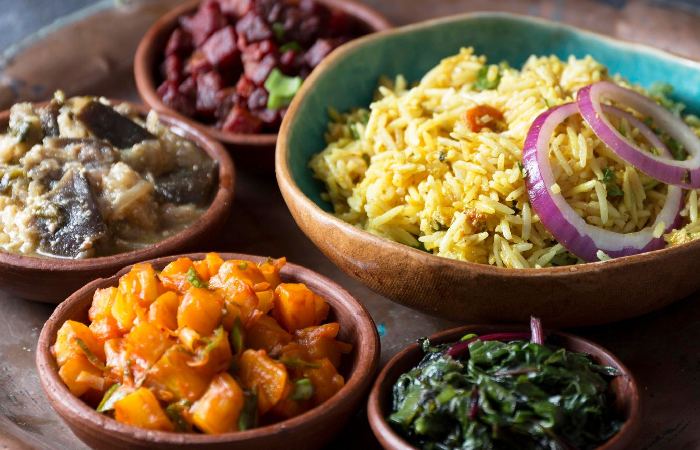
Breakfast Options
| Meal | Protein |
| Oats with milk and peanuts | 15–20g |
| Paneer paratha (low oil) | 18–25g |
| 3 boiled eggs with toast | 18g |
| Greek yogurt with fruits | 12–15g |
Lunch Options
| Meal | Protein |
| Dal + rice + curd | 20–25g |
| Rajma chawal | 18–22g |
| Chicken curry + roti | 30–35g |
| Soya chunk pulao | 25–30g |
Dinner Options
| Meal | Protein |
| Paneer bhurji + chapati | 25–30g |
| Grilled chicken + salad | 30g |
| Moong dal khichdi | 18–20g |
| Tofu stir fry | 20–25g |
High Protein Snacks
- Roasted chana
- Peanut chaat
- Boiled eggs
- Sprouts salad
- Paneer cubes
Snacks play a crucial role in distributing protein intake throughout the day.
Sample High Protein Indian Diet Plan (100g Protein)
Vegetarian Diet Plan
| Meal | Food | Protein |
| Breakfast | Oats + milk | 15g |
| Mid Snack | Peanuts | 10g |
| Lunch | Dal + rice | 20g |
| Evening | Sprouts salad | 10g |
| Dinner | Paneer + roti | 30g |
| Bedtime | Milk | 10g |
Total: 95–100g protein
Non-Vegetarian Diet Plan
| Meal | Food | Protein |
| Breakfast | 3 eggs | 18g |
| Lunch | Chicken + rice | 35g |
| Snack | Peanut chaat | 10g |
| Dinner | Fish curry | 25g |
| Bedtime | Milk | 10g |
Total: ~100g protein
Protein Quality: Complete vs Incomplete Proteins
Complete Proteins
- Eggs
- Chicken
- Fish
- Dairy products
- Soy
These contain all essential amino acids.
Incomplete Proteins
- Lentils
- Beans
- Grains
Combining Foods
| Combination | Benefit |
| Dal + Rice | Complete amino acid profile |
| Roti + Chana | Improved protein quality |
| Peanut + Jaggery | Balanced nutrition |
Combining plant-based foods enhances protein utilization significantly.
High Protein Diet for Different Goals
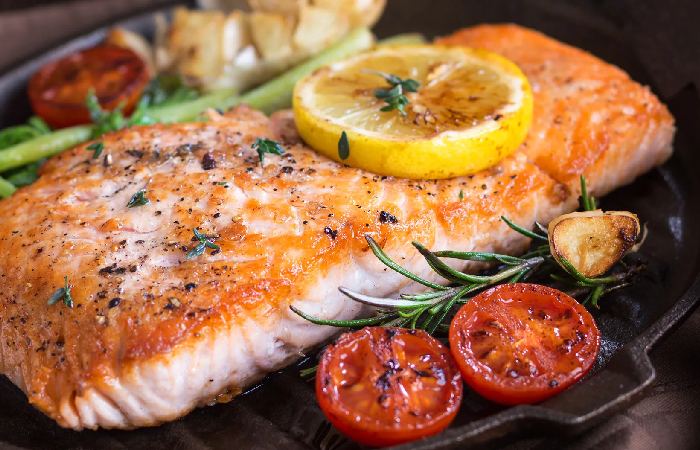
Muscle Gain
- Focus on calorie surplus
- Include high-density proteins like chicken, paneer, soy
- Target 1.6–2.2 g/kg protein
Fat Loss
- Maintain calorie deficit
- Increase protein to preserve muscle
- Focus on lean sources like chicken, fish, tofu
General Fitness
- Maintain balanced intake
- Include a mix of plant and animal proteins
- Target 0.8–1.2 g/kg
Common Mistakes in Indian High Protein Diets
- Consuming excessive carbohydrates with low protein
- Relying only on dal for protein intake
- Ignoring protein distribution across meals
- Overcooking protein-rich foods
- Skipping protein in breakfast
Weekly High Protein Indian Food Chart
Vegetarian Weekly Plan (Simplified)
| Day | Breakfast | Lunch | Dinner |
| Monday | Oats | Dal rice | Paneer |
| Tuesday | Paratha | Rajma | Tofu |
| Wednesday | Yogurt | Chole | Dal |
| Thursday | Oats | Soya pulao | Paneer |
| Friday | Smoothie | Dal | Tofu |
| Saturday | Upma + peanuts | Rajma | Paneer |
| Sunday | Paratha | Chole | Dal |
Non-Vegetarian Weekly Plan
| Day | Breakfast | Lunch | Dinner |
| Monday | Eggs | Chicken | Fish |
| Tuesday | Omelette | Chicken | Dal |
| Wednesday | Eggs | Fish | Chicken |
| Thursday | Eggs | Chicken | Paneer |
| Friday | Omelette | Fish | Chicken |
| Saturday | Eggs | Chicken | Fish |
| Sunday | Eggs | Chicken | Light meal |
Role of Supplements in Indian Diet
While whole foods should be primary, supplements can support protein intake.
Common Supplements
- Whey protein
- Plant protein powder
- Casein protein
However, they are optional and should not replace natural food sources.
High Protein Vegetarian vs Non-Vegetarian Diet
| Factor | Vegetarian | Non-Vegetarian |
| Cost | Lower | Moderate |
| Protein Quality | Moderate | High |
| Convenience | Requires planning | Easier |
| Variety | Wide | Wide |
Practical Tips to Increase Protein Intake
- Add peanuts or seeds to meals
- Replace refined carbs with protein-rich foods
- Include protein in every meal
- Use soy products regularly
- Choose high-protein snacks
Final Analysis
A well-structured high protein Indian food chart is achievable without expensive or imported foods. Indian diets inherently include multiple protein sources, but the key lies in:
- Proper food selection
- Meal timing
- Cost optimization
- Balanced combinations
The high-protein diet in India is based on soya chunks, paneer, eggs and chicken. It is completely feasible to achieve 100 grams or even more protein per day with the help of traditional foods through strategic planning. (vogue)
Conclusion
High protein Indian diet is not restrictive but very scalable and flexible. Regardless of veganism or non-vegetarianism, the best protein intake is based on consistency, diversity, and consciousness.
This guide provides a complete framework—from food charts to meal plans and cost analysis—to help you build a sustainable, high-protein lifestyle aligned with Indian dietary patterns.
When properly used this strategy can be used to achieve long term objectives like developing muscle, losing fat, and enhancing overall well-being without necessarily having to resort to costly and unrealistic measures.
Afiya Jafar is a fitness and wellness writer who focuses on making health, exercise, and healthy lifestyle information simple and practical. Her work covers workouts, fitness motivation, strength training, nutrition, weight management, stress management, mindfulness, and everyday wellness.
Read Full Bio of Afiya Jafar →
Sameena Begum reviews selected health, wellness, fitness, and digital content for clarity, factual presentation, consistency, and reader usefulness. Her review work helps maintain clear and responsible editorial standards across PhysicalFitt content.
Read Full Bio of Sameena Begum →
Dr. Khizrana Begum is a qualified medical professional with MBBS and MD qualifications and 5+ years of experience in the medical field. She works as a General Physician and Dermatologist, with expertise in general medicine, dermatology, preventive healthcare, and skin health.
Read Full Bio of Dr. Khizrana Begum →