
Nurses are Shaping
Have you ever questioned yourself what role nurses play in modern healthcare? They are not only participating in patient care but also introducing major changes throughout the system. Nurses assist in policy enhancement, adoption of new technology as well as making critical decisions that influence the way care is given. Along with the further development and evolution of the system, nurses are taking center stage in ensuring better patient outcomes and more efficient working environment.
In this blog, we are going to see how nurses are changing the future of healthcare in so many different ways and how their input will be remembered.
The Growing Importance of Nursing Education
The nursing education is very vital in training nurses to become advanced nurses as the industry demands advancement. Higher education equips them with knowledge and skills required to manoeuvre their way around complex settings and lead teams successfully. To many people, going through a registered nurse to bachelor of science in nursing (RN to BSN) program is a perfect means of advancing their education. Advanced clinical knowledge, as well as leadership training and expanded policy awareness, prepares nurses to assume more official roles.
Taking an RN to BSN course, nurses step out of the bedside service, ready to assume leadership roles, developing the skills and opportunities to contribute more to patient outcomes, healthcare systems, and policy formulation.
Specializations in Modern Nursing

Modern nursing has diversified into multiple specializations, each playing a critical role in patient care and system efficiency.
Major Nursing Specializations
| Specialization | Role Description | Average Annual Salary (Global Range) |
| Critical Care Nursing | Handles ICU patients and life-threatening conditions | $70,000 – $120,000 |
| Pediatric Nursing | Focuses on child healthcare | $60,000 – $100,000 |
| Oncology Nursing | Works with cancer patients | $75,000 – $115,000 |
| Nurse Practitioner (NP) | Provides advanced clinical care and diagnoses | $90,000 – $150,000 |
| Geriatric Nursing | Specializes in elderly care | $65,000 – $105,000 |
Specialization helps in career development and the targeted patient outcome.
Economic Impact of Nurses on Healthcare Systems
Nurses significantly influence healthcare economics by reducing costs and improving efficiency.
Cost-Saving Contributions:
- Less re-hospitalizing of patients due to patient education.
- Reduced hospitalization as a result of good monitoring.
- Prophylaxis lowering the costs of long-term treatment.
According to a study conducted by the International Council of Nurses, an investment in nursing could pay off handsomely by reducing the total spending on healthcare.
Digital Transformation and Nursing Informatics
Nursing informatics is a fast-evolving discipline that integrates health care, information technology and data analysis.
Key Technologies Used:
- Electronic Health Records (EHR)
- AI-driven diagnostics
- Remote monitoring devices
- Telehealth platforms
Other companies such as Epic Systems, Cerner Corporation, and others offer platforms that are highly popular among nurses to facilitate their work.
Nurses trained in informatics improve data accuracy, patient safety, and operational efficiency.
Mental Health and Well-being of Nurses
The psychological well-being of nurses is a critical factor in healthcare sustainability. (NursingWorld)
Common Challenges:
- Burnout due to long shifts
- Emotional stress from patient care
- Workplace violence and staffing shortages
The American Nurses Association emphasizes mental health programs, resilience training, and institutional support systems.
Solutions Being Implemented:
- Flexible scheduling
- Counseling services
- Peer support programs
Nursing in Public Health and Community Care
Beyond hospitals, nurses are shaping public health systems and community outreach programs.
Areas of Contribution:
- Vaccination drives
- Maternal and child health programs
- Rural healthcare services
- Disease prevention campaigns
During the COVID-19 pandemic, nurses played a frontline role in testing, vaccination, and patient management.
Nurses as Leaders
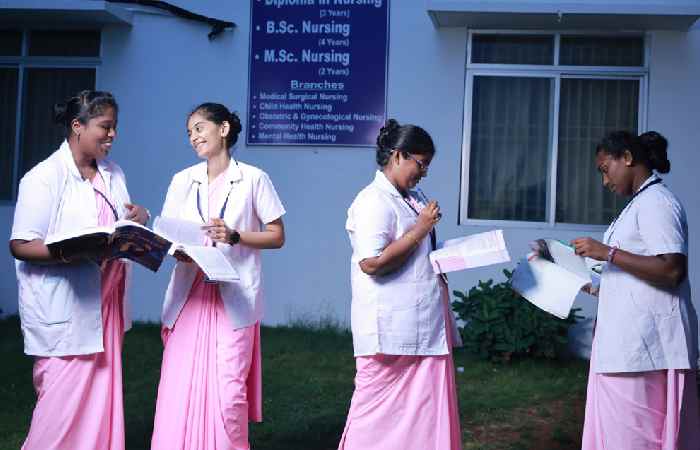
Nurses are frequently named nurse managers, nurse directors or nurse administrators in hospitals, clinics, or other facilities. Their working conditions allow them to work closely with patients, which gives them a special insight into how to influence hospital policies and enhance operations. As nurse leaders, they are responsible for guiding teams, improving patient care strategies, and making sure that systems run smoothly. (NCBI)
Being a leader will provide nurses with an opportunity to participate in decision-making and promote the needed changes to benefit patients and professionals alike. They are able to better achieve results by leading internally and creating an environment that promotes the welfare of healthcare teams.
Innovation and Technology in Nursing
Nurses are also at the forefront of embracing innovation and integrating technology into patient care. From utilizing electronic health records to implementing telemedicine solutions, nurses play a crucial role in making sure that new technologies improve the quality of care. Their hands-on experience helps them adapt to new tools that boost efficiency and accuracy in patient care.
Furthermore, nurses can be of great help throughout the technology development process and contribute to the creation of tools that can be of practical use and help both patients and medical staff. Nurses contribute to the development of more efficient health care systems and continue to deliver caring services by engaging with technological innovations.
Improving Patient Outcomes
Nurses play a central role in improving patient outcomes, focusing on both the quality of care and the overall patient experience. Their hands-on involvement gives them a unique ability to notice changes in a patient’s condition and respond quickly, which can make a significant difference in recovery and long-term health. Nurses are also instrumental in patient education, teaching individuals how to manage their health conditions, follow medication protocols, and adopt healthier lifestyles. This education helps prevent hospital readmissions and improves satisfaction, making nurses critical to the success of care systems.
Advocacy and Policy Influence in Nursing
The table below structures how nurses contribute to advocacy and policy influence, including levels, actions, impact, and real-world relevance.
Nursing Advocacy & Policy Influence Table
| Level of Advocacy | Key Activities | Areas of Influence | Impact on Healthcare | Examples |
| Patient-Level (Micro) | Protecting patient rights, ensuring informed consent, communicating patient needs | Individual patient care | Improves patient safety, satisfaction, and ethical care delivery | Speaking up about treatment errors, ensuring proper care plans |
| Institutional-Level (Meso) | Participating in hospital committees, improving protocols, staff advocacy | Hospital policies, workplace conditions | Enhances operational efficiency and staff well-being | Advocating for better nurse-to-patient ratios |
| Community-Level | Public health campaigns, awareness programs, community engagement | Public health systems, preventive care | Reduces disease burden and improves population health | Vaccination drives, health education programs |
| National Policy-Level | Engaging with lawmakers, contributing to policy drafts, lobbying | Healthcare laws, national health programs | Shapes large-scale healthcare delivery systems | Advocating for universal healthcare access |
| Global Policy-Level | Working with international organizations, global health advocacy | Global health policies, cross-border healthcare issues | Improves global health equity and standards | Participation in global initiatives via organizations like ICN |
Advocacy Methods Used by Nurses
| Method | Description | Outcome |
| Policy Advocacy | Influencing laws and regulations through formal channels | System-wide healthcare improvements |
| Professional Organizations | Joining bodies like nursing councils and associations | Stronger collective voice in policy decisions |
| Research & Evidence-Based Input | Using clinical data to influence decisions | More effective and realistic policies |
| Public Awareness Campaigns | Educating communities and influencing public opinion | Increased support for healthcare reforms |
| Political Participation | Voting, lobbying, advisory roles | Direct influence on legislation |
Key Policy Areas Influenced by Nurses
| Policy Area | Nurse Contribution | Resulting Impact |
| Patient Safety | Identifying care gaps and reporting risks | Reduced medical errors |
| Staffing Regulations | Advocating safe nurse-to-patient ratios | Better care quality and reduced burnout |
| Healthcare Access | Supporting underserved populations | Increased healthcare equity |
| Public Health | Leading prevention and awareness programs | Lower disease rates |
| Education & Training | Promoting advanced nursing education policies | Skilled and competent workforce |
Advocacy and Policy Influence
Nurses are becoming more part of advocacy and politics, and are contributing to the development of the regulations that govern the healthcare industry. With their firsthand experience in patient care, nurses bring valuable insight to policy discussions, making sure that regulations reflect the realities of frontline care. Whether advocating for improved working conditions, better staffing ratios, or patient safety initiatives, nurses are making their voices heard.
With ongoing development of the system, the role of nurses in the policy-making process is becoming increasingly important. Their contribution produces better systems benefiting the health care workers and their patients. Nurse advocates strive to make the healthcare setting better, and their efforts are vital in determining the future of care.
Salary, Education Cost, and ROI in Nursing
The following table consolidates global salary benchmarks, education costs, and return on investment (ROI) for nursing careers. Data reflects 2025–2026 trends across major countries.
Comprehensive Nursing ROI Table
| Country | Education Level | Average Education Cost | Entry-Level Salary | Experienced Salary | ROI (Return on Investment) |
| India | GNM / B.Sc Nursing | ₹50,000 – ₹6,00,000 | ₹2.5 – ₹4.5 LPA | ₹8 – ₹12 LPA | Medium ROI (slower growth but stable career) |
| United States | BSN / MSN | $8,000 – $60,000 | $60,000 – $75,000 | $100,000+ | Very High ROI (fast salary recovery within 1–3 years) |
| United Kingdom | BSN Equivalent | £20,000 – £40,000 | £28,000 – £32,000 | £45,000+ | Moderate ROI (stable but slower growth) |
| Australia | BSN / MSc Nursing | AUD 20,000 – 50,000 | AUD 65,000 – 75,000 | AUD 100,000 – 120,000 | High ROI (good balance of salary & lifestyle) |
| Canada | BSN | CAD 30,000 – 60,000 | CAD 60,000 – 70,000 | CAD 90,000+ | High ROI (steady demand and growth) |
Key Insights from the Data
- United States offers the highest earning potential, with average salaries around $80,000–$120,000 annually depending on role and specialization.
- Australia provides strong mid-to-high salary ranges with excellent work-life balance and incentives in rural areas.
- India has lower initial salaries, but costs of education are significantly lower, making it accessible with moderate long-term returns.
- Salaries increase substantially with experience, specialization, and higher education (BSN/MSN).
ROI Interpretation
| ROI Level | Meaning |
| Very High ROI | Education cost recovered quickly (1–3 years) with strong salary growth |
| High ROI | Good salary relative to cost; stable long-term returns |
| Moderate ROI | Slower salary growth; stable but longer recovery period |
| Medium ROI | Low cost but also lower salary growth |
The Role of Nurses in Addressing Challenges – Nurses are Shaping
Nurses are in a unique position to overcome most of the issues affecting the industry. Involving an aging population and development of chronic diseases. Nurses assist in the management of these complicated health problems through direct care, prevention and educating the patients. Their contribution to the early detection, chronic disease management, and preventive care relieves the strain of the systems and enhances the general population health.
Nurses come up with new ideas on how to handle these problems using their knowledge and experience. Making care accessible and productive to everyone.
To sum up, the changing position of a nurse is much more than the one that is expected to be fulfilled. One may be questioned as they are still assumed to leadership positions, be innovative, and pursue substantial change. What can we do to empower nurses even more in order to shape the future? Every day, new challenges emerge, and it is obvious that the role played by nurses will be necessary.