
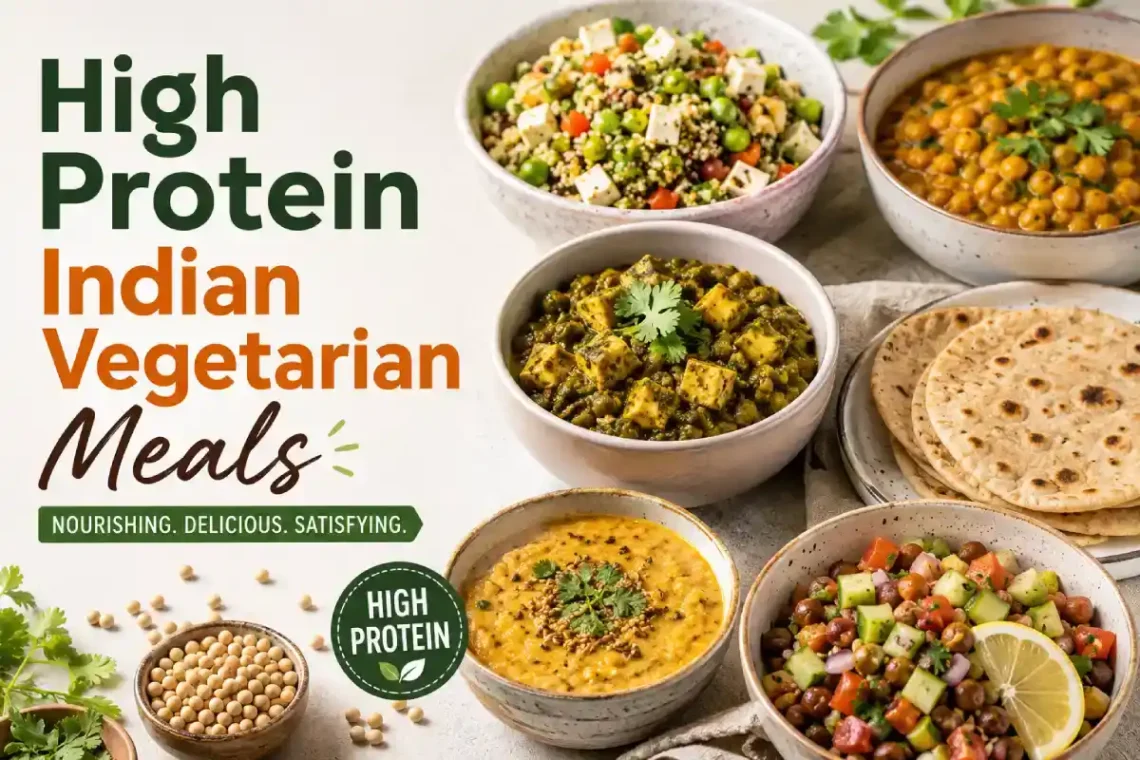
It might sound tricky initially – you’re asking how to get enough protein from an Indian vegetarian diet without any chicken, meat or eggs. Fortunately for us vegetarian fitness freaks, this isn’t a huge challenge after all. The secret to muscle building and enhanced recovery on a vegetarian diet plan for building muscles involves careful food selection and appropriate combination of ingredients.
Below, you’ll find 13 high-protein indian vegetarian meals you’ll enjoy eating, complete proteins combos you need to be including, vegetarian protein sources for breakfast, lunch and dinner options and finally, the vegetarian muscle gain meal plan based on 2026 current nutrition and dietary guidelines.
The Importance of protein in the Vegetarian diet
Protein plays a vital role in:
- Muscle synthesis and repair
- Strength improvement
- Hormone development
- Healthy skin and hair
- Enhanced feelings of fullness and hunger regulation
Science has shown us that when muscle gain and strength are the objectives, aiming for about 1.6 to 2.2 g of protein per kg of body mass per day is important. The protein requirement for most active adults is substantially greater than the minimum RDA.
Best Indian Vegetarian Foods for Protein
Protein Comparison Table (2026)
| Food | Protein | Serving Size |
| Soya Chunks | 52g | 100g (dry) |
| Paneer | 18g | 100g |
| Greek Yogurt | 10-12g | 100g |
| Tofu | 8-10g | 100g |
| Rajma | 15g | 1 cup cooked |
| Chickpeas | 15g | 1 cup cooked |
| Moong Dal | 8-10g | 1 cup cooked |
| Roasted Chana | 18g | 100g |
| Milk | 8g | 250ml |
| Curd | 6-11g | 1 bowl |
Based on sources, the top high protein Indian Vegetarian foods were considered to be soya chunks, paneer, greek yogurt, legumes, and milk and dairy based products.
High Protein Indian Breakfast Options
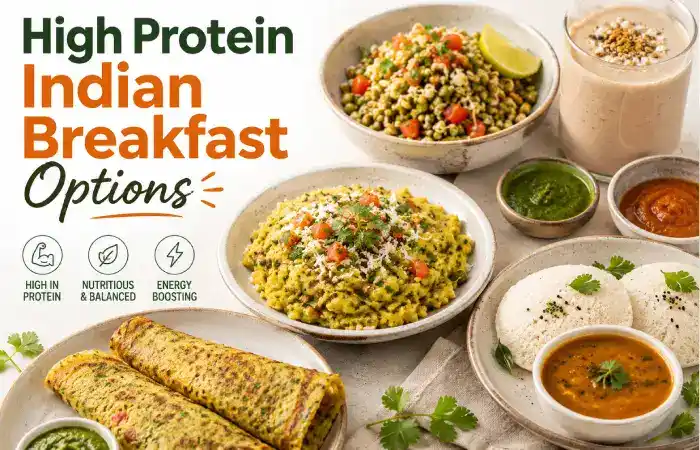
Protein rich breakfast options to begin your day with that enhances muscle protein synthesis and fullness. Here are some choices.
Moong Dal Chilla with Curd – 18-20g Protein
Paneer Bhurji with Multigrain Roti – 20-25g Protein
Greek Yogurt Protein Bowl – 20g+ Protein
Besan Chilla with Paneer Filling – 22g+ Protein
Overnight Oats with Milk and Nuts – 15-20g Protein
Idli with Sambar and Milk – 18g protein
Vegetarian Lunch and Dinner Ideas for Muscle Gain
Lunch Option 1
- Rajma
- Brown rice
- Curd
- Salad
Protein: 25g+
Lunch Option 2
- Paneer curry
- Multigrain roti
- Dal
Protein: 30g+
Dinner Option 1
- Soya chunk curry
- Roti
- Raita
Protein: 30-35g
Dinner Option 2
- Tofu stir fry
- Quinoa
- Mixed vegetables
Protein: 25g+
Dinner Option 3
- Khichdi (Moong Dal + Rice)
- Greek yogurt
Protein: 22g+
Combining Foods for Complete Protein
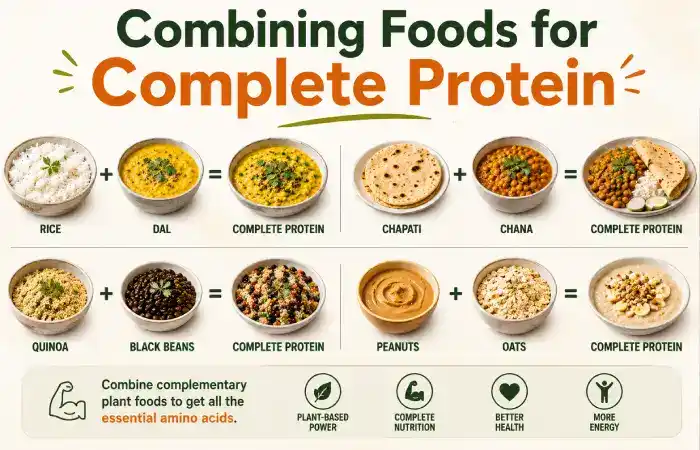
Perhaps the biggest fear a person new to a vegetarian diet harbors is whether such a meal plan contains all the crucial amino acids needed to build and recover muscles. Several plant-based ingredients on their own don’t offer all necessary nutrients. However, by combining them throughout a meal, you get to include a healthy balance of all indispensable amino acids in your body.
So, a complete protein food contains all nine amino acids that your body simply cannot build on its own.
It occurs naturally in animal-based products but a vegetarian can make the best out of the combination of plant food with each other. Indians have made use of combining plant products to yield complete proteins for centuries; the combination are already a part of everyday Indian diet and hence can serve as an immediate solution to include higher quality of protein to your body sans the added food supplement intake.
Best Indian Complete Protein Combinations
| Food Combination | Why It Works | Approximate Protein |
| Dal + Rice | Rice provides methionine, dal provides lysine | 12–15g per serving |
| Rajma + Rice | Balanced amino acid profile for muscle recovery | 15–18g per serving |
| Chole + Whole Wheat Roti | Combines legumes and grains for complete protein | 15–20g per serving |
| Idli + Sambar | Fermented grains and lentils improve protein quality | 10–12g per serving |
| Dosa + Sambar | Traditional South Indian complete protein meal | 12–15g per serving |
| Besan Chilla + Curd | High-quality protein from chickpeas and dairy | 18–22g per serving |
| Paneer + Whole Wheat Roti | Complete protein with additional calcium | 20–25g per serving |
Why Complete Proteins Matter for Muscle Gain
People looking to gain strength or bulk up get more muscle benefits from complete proteins since complete proteins supply all of the necessary amino acids necessary for muscle tissue to repair after training and grow. You do not need to combine proteins to achieve an ideal ratio in every meal Nutritionists agree that, most of the time, all you have to do to have sufficient amounts of amino acids in your diet is to simply include protein foods into your daily menu.
The diet that you are using and the common meal would consist of some dairy products, legumes, soya products, grains and nuts as such that would generally mean that you should be getting all the building blocks of protein to help support your body with an average diet.
How to Enhance Protein Quality of Indian Diet with 5 Simple Tips
- Pair your rice and grains with some lentil.
- The way some Indian diet generally comprises of some portion of dairy products such as Milk, Curd, Paneer, greek yogurt, etc it can be consume on a daily basis.
- Some or more portions of soy in your meals like tofu, soya chunk, etc.
- Consume various legumes on different days of the week.
- Include nuts and seeds in the form of healthy protein-rich snacks.
In India, Vegetarians can easily make sure they increase their intake of protein-rich foods with these combined complementary food items so they develop muscles. They can increase protein by consumption of greek yogurt.
Sample Indian Muscle Gain Meal Plan
Breakfast
- 2 Moong Dal Chillas
- 200g Curd
Protein: 22g
Mid-Morning Snack
- Roasted Chana
- Buttermilk
Protein: 12g
Lunch
- Rajma
- Rice
- Salad
Protein: 25g
Evening Snack
- Greek Yogurt
- Almonds
Protein: 18g
Dinner
- Soya Chunk Curry
- Roti
- Raita
Protein: 35g
Daily Total
Approximately 110–120g Protein
Common Mistakes Vegetarians Make
Relying Only on Dal
Dal is nutritious but often provides insufficient protein alone.
Ignoring Protein at Breakfast
Many traditional breakfasts are carb-heavy and low in protein.
Not Tracking Intake
Most vegetarians underestimate daily protein consumption.
Skipping Protein in Snacks
Strategic snacks can add 15–25g protein daily.
Troubleshooting: Not Getting Enough Protein?
Problem: Always Hungry
Solution:
Increase protein at every meal using paneer, tofu, curd, and legumes.
Problem: Struggling to Reach 100g Protein
Solution:
Include:
- Soya chunks
- Paneer
- Greek yogurt
- Protein-rich snacks
Problem: Digestive Issues
Solution:
- Increase protein gradually
- Soak legumes properly
- Rotate protein sources
Final Thoughts
Creating a high-protein vegetarian diet, doesn’t necessarily entail high prices and highly complex meal preparations. With these foods and meal approaches, vegetarians in India, even in the most cost-constrained environment can build their muscles effectively as well as gain from all associated health benefits.
Consistency is crucial. It’s the most obvious one that we need to eat well all the time. Each meal and all meals of the day should always contain a source of significant amounts of proteins.

Sameena Begum
Sameena Begum has a broad interest in technology, beauty, health, fitness, wellness, lifestyle, and consumer topics. She values clear, accurate, and practical information and pays close attention to details, readability, and relevance.
Read full bio of Sameena Begum
Afiya Jafar
Afiya Jafar is a fitness and wellness writer who focuses on making health, exercise, and healthy lifestyle information simple and practical. Her work covers workouts, fitness motivation, strength training, nutrition, weight management, stress management, mindfulness, and everyday wellness.
Read full bio of Afiya Jafar