
 Afiya Jafar
Fitness & Wellness Writer
Afiya Jafar is a fitness and wellness writer who focuses on making health, exercise, and healthy lifestyle information simple and practical.
Read Full Bio of Author →
Afiya Jafar
Fitness & Wellness Writer
Afiya Jafar is a fitness and wellness writer who focuses on making health, exercise, and healthy lifestyle information simple and practical.
Read Full Bio of Author →
 Sameena Begum
Health, Fitness & Digital Content Reviewer
Sameena reviews selected health, wellness, fitness, and digital content for clarity, factual presentation, and reader usefulness.
Read Full Bio of Reviewer →
Sameena Begum
Health, Fitness & Digital Content Reviewer
Sameena reviews selected health, wellness, fitness, and digital content for clarity, factual presentation, and reader usefulness.
Read Full Bio of Reviewer →
 Dr. Khizrana Begum
General Physician & Dermatologist
Dr. Khizrana Begum is a General Physician and Dermatologist with MBBS and MD qualifications and 5+ years of experience in the medical field.
Read Full Bio of Medical Reviewer →
Dr. Khizrana Begum
General Physician & Dermatologist
Dr. Khizrana Begum is a General Physician and Dermatologist with MBBS and MD qualifications and 5+ years of experience in the medical field.
Read Full Bio of Medical Reviewer →
Losing weight has never been about punishing yourself with severe starvation andfad diets. The right Weight Loss Diet Plan for Women will aim for a calorie deficit, while ensuring you’re still getting adequate protein, fibre, beneficial fats, vitamins, and minerals to provide energy, aid hormonal health, and keep you healthy.
Medical studies being conducted through 2025 and 2026 have indicated that healthy, sustainable loss comes with balanced diet, routine exercise, sufficient rest, and the right lifestyle, rather than quick diets. Learn how to make up your diet, how to determine your needs and make delicious, fulfilling food that fits with your daily life.
❝
This article is a part of
Weight Loss Nutrition Hub
Why Women’s Weight Loss Is Different
Women’s nutritional needs vary based on:
- Age
- Activity level
- Hormonal changes
- Pregnancy history
- Menopause
- Muscle mass
While women usually consume less protein a day than men, it becomes very important to up the amount you are getting in your weight loss journey in order to protect muscle.
Before starting any meal plan, explore our complete female weight loss diet guide to understand the fundamentals of healthy and sustainable weight loss.
How to Build a Balanced Diet Plan
Your successful weight loss plan must include every macronutrient, and not cut out groups of foods completely.
Ideal Plate Method
| Food Group | Plate Portion |
| Vegetables | 50% |
| Lean Protein | 25% |
| Whole Grains | 25% |
| Healthy Fat | Small serving |
Best Protein Sources
- Eggs
- Chicken breast
- Fish
- Greek yogurt
- Cottage cheese
- Lentils
- Tofu
- Beans
Healthy Carbohydrates
- Oats
- Brown rice
- Sweet potatoes
- Quinoa
- Whole wheat bread
Healthy Fats
- Avocados
- Nuts
- Seeds
- Olive oil
Daily Calorie Requirements
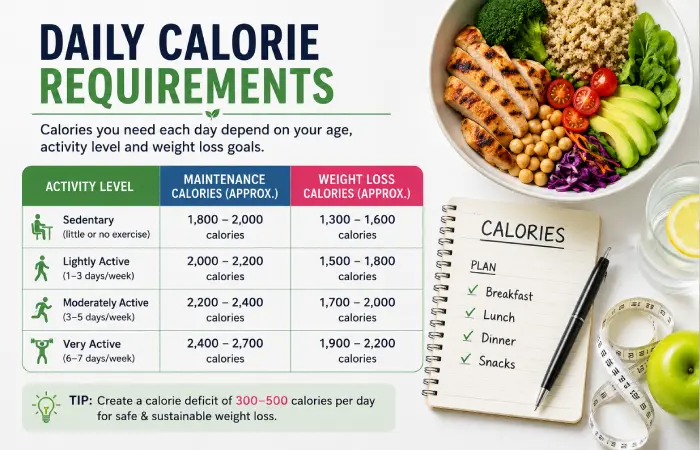
Calorie Requirements is the one among the few most essential and imperative factors when coming up with a plan of diet for women which help them shed those unwanted and excess body mass and in the long run helping them to lead a healthy lifestyle. Calories are what power your body to run everything from breathing, eating, the functioning of hormones to helping you to be active. The idea behind any weight loss diet plan for women is to eat a small amount fewer calories than your body consumes; a practice known as a calorie deficit.
Yet when your calorie consumption is too low it could slow down your body’s metabolic process, increase your feelings of fatigue and make it difficult to maintain muscle strength.
The amount of calories which will be appropriate for you to be consuming will be contingent on factors like age, height, weight, activity and health. Women who are very active in the lifestyle they lead or those with more muscles may have requirements that can be more in terms of calorie numbers than the sedentary ones.
If you prefer traditional home-cooked meals, check out our Indian weight loss diet for women for practical meal ideas.
Estimated Daily Calorie Needs for Women (2026)
| Activity Level | Weight Loss Calories* | Maintenance Calories |
| Sedentary (little or no exercise) | 1,300–1,600 | 1,800–2,000 |
| Lightly Active (1–3 days/week) | 1,500–1,800 | 2,000–2,200 |
| Moderately Active (3–5 days/week) | 1,700–2,000 | 2,200–2,400 |
| Very Active (6–7 days/week) | 1,900–2,200 | 2,400–2,700 |
How to Create a Healthy Calorie Deficit
However you may not be able to maintain a severe restriction on your calorie intake for a period of time in the way that you may be able to do if you stick with a small restriction of between 300-500 calories per day and are combining a diet with exercise for your diet weight loss goals.
Daily Macronutrient Balance
Calories matter, and so does what we’re consuming! A healthy diet will ensure you have enough nutrients in your body to not only feel good but also to feel satisfied and energetic!
| Nutrient | Best Food Sources | Recommended Intake |
| Protein | Chicken, fish, eggs, tofu, lentils | 25–30% of daily calories |
| Carbohydrates | Oats, brown rice, quinoa, fruits, vegetables | 40–50% of daily calories |
| Healthy Fats | Avocados, nuts, seeds, olive oil | 20–30% of daily calories |
Daily Calorie Comparison
| Expected Outcome | Goal | Recommended Approach |
| Stable body weight | Maintain Weight | Eat at maintenance calories |
| Gradual, sustainable fat loss | Lose Weight | Moderate calorie deficit |
| Increased lean muscle mass | Build Muscle | Slight calorie surplus with strength training |
Signs You’re Eating Too Few Calories
- Constant hunger and cravings
- Low energy throughout the day
- Difficulty concentrating
- Poor workout performance
- Increased fatigue
- Slower recovery after exercise
- Weight loss plateau due to metabolic adaptation
If you are suffering with one of the symptoms above then revisit the number of calories you are taking on board as well as considering whether you are incorporating plenty of protein, fiber, and healthy fat into each meal.
Women with hormonal imbalances can benefit from our PCOS weight loss diet plan, which focuses on balanced nutrition and blood sugar management.
Tips on meeting calorie needs
- Use half the space on your plate for starchy veg.
- Have a protein source at each meal
- Have wholegrain where you would normally opt for a processed product
- Be mindful of serving sizes until you know roughly how many of something makes up a standard serving portion
- Water before meals
- It helps with the feeling of satiety
- Track your calories using an app for the first few weeks if you have never counted them before
Knowing the daily number of calories you’re meant to take will help whenever you consume nutrient dense food so you can create a reasonable meal plan to support healthy and sustainable weight loss without fad dieting practices.
Breakfast Ideas
| Meal | Calories | Protein |
| Greek yogurt with berries | 300 | 25 g |
| Vegetable omelet | 320 | 24 g |
| Overnight oats with chia seeds | 350 | 18 g |
| Cottage cheese with fruit | 310 | 28 g |
| Protein smoothie | 330 | 30 g |
Lunch Ideas
In the lunch should be included lean proteins, fruits or vegetables, with a high content of fiber, and whole grain cereals.
| Calories | Meal |
| 420 | Grilled chicken salad |
| 450 | Brown rice with grilled fish |
| 390 | Lentil soup with whole-grain toast |
| 410 | Quinoa vegetable bowl |
| 430 | Turkey wrap with salad |
Dinner Ideas
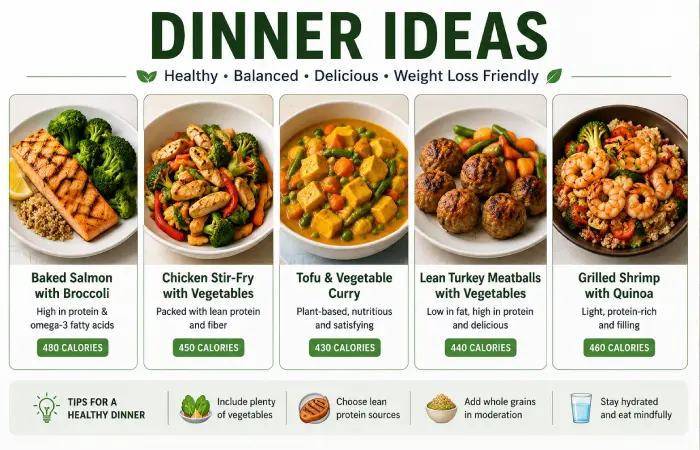
| Calories | Meal |
| 480 | Baked salmon with broccoli |
| 450 | Chicken stir-fry |
| 430 | Tofu and vegetable curry |
| 440 | Lean turkey meatballs with vegetables |
| 460 | Grilled shrimp with quinoa |
Healthy Snack Options
| Calories | Snack |
| 180 | Apple with peanut butter |
| 150 | Greek yogurt |
| 170 | Mixed nuts (small handful) |
| 160 | Cottage cheese |
| 140 | Boiled eggs |
| 160 | Carrot sticks with hummus |
2026 Nutrition Comparison
| Protein | Diet Style | Sustainability | Fiber | Best For |
| High | Mediterranean | ★★★★★ | High | Long-term weight loss |
| Moderate | DASH | ★★★★★ | High | Heart health |
| Very High | High Protein | ★★★★☆ | Moderate | Muscle preservation |
| High | Low-Carb | ★★★☆☆ | Lower | Short-term appetite control |
| Variable | Very Low-Calorie | ★☆☆☆☆ | Low | Medical supervision only |
Common Mistakes Women Make
- Skipping breakfast regularly
- Eating too little protein
- Drinking sugary beverages
- Ignoring portion sizes
- Not sleeping enough
- Relying on fad diets
- Avoiding strength training
- Expecting overnight results
Looking to reduce abdominal fat? Read our diet plan to lose belly fat for targeted nutrition and lifestyle strategies.
Troubleshooting Your Weight Loss Diet
| Problem | Solution |
| Constant hunger | Increase lean protein and vegetables |
| Weight plateau | Reassess intake and activity level |
| Low energy | Ensure balanced meals and adequate intake |
| Sugar cravings | Eat protein-rich meals consistently |
| Muscle loss | Increase protein and add strength training |
Frequently Asked Questions
What is the best diet for women weight loss?
A good one is designed to deliver moderate calorie deficit, with lots of protein, vegetable, fruit, and whole grains, and the right kind of fats and also foods that will help satisfy your need for flavor, allowing for weight maintenance in the future.
How much protein do women eat in weight loss?
Depending on your workout level, activity, and target weight, 1.2-1.6g protein per kilo body weight for an athletic woman is considered acceptable. Every woman is different though.
Can women eat carbs and lose weight?
Sure the women can have whole grain carbohydrate sources with large amount of fiber in them (Oats, rice, beans, fruits, and veg), these may make the women lose weight, They give you so much energy,vitamins,minerals,ect .
What is a sustainable weight for women to lose?
For 0.5–1.5 kilos per 1 week that a normal woman should lose on a diet, as an individual, as with men. This is just an example, an individual must maintain her goal weight in time as well.
What is better intermittent fasting vs calorie count?
Neither. Which one will you stick with, will you maintain nutrition levels while still going for a calorie deficit, what is you level of dedication etc will all affect which method of dieting is right for you.
Make your diet easier to follow with these healthy weight loss meal ideas for breakfast, lunch, dinner, and snacks.
Conclusion
Weight loss diet plans that are successful are more about commitment than flawlessness. Eating balanced dishes, protein rich foods, keeping up control size and eating sound nutrient wealthy sustenance’s will help you create an calorie insufficiency while continuing your well-being and vitality. Joining your diet with consistent exercise, quality rest and an approach to decrease your anxieties will additionally boost your journey to enduring fat decrease.
Boost fullness and preserve lean muscle by following our high-protein weight loss diet recommendations.
Recollect that there are no quick solutions, and your most great eating routine program depends on variables like your age, level of physical movement, individual health conditions and weight loss objectives. Begin with simple, reasonable changes, follow up on your advancement and adjust your strategy according to need, as dependable habits trump restrictive consuming regimens consistently.
Afiya Jafar is a fitness and wellness writer who focuses on making health, exercise, and healthy lifestyle information simple and practical. Her work covers workouts, fitness motivation, strength training, nutrition, weight management, stress management, mindfulness, and everyday wellness.
Read Full Bio of Afiya Jafar →
Sameena Begum reviews selected health, wellness, fitness, and digital content for clarity, factual presentation, consistency, and reader usefulness. Her review work helps maintain clear and responsible editorial standards across PhysicalFitt content.
Read Full Bio of Sameena Begum →
Dr. Khizrana Begum is a qualified medical professional with MBBS and MD qualifications and 5+ years of experience in the medical field. She works as a General Physician and Dermatologist, with expertise in general medicine, dermatology, preventive healthcare, and skin health.
Read Full Bio of Dr. Khizrana Begum →