
 Afiya Jafar
Fitness & Wellness Writer
Afiya Jafar is a fitness and wellness writer who focuses on making health, exercise, and healthy lifestyle information simple and practical.
Read Full Bio of Author →
Afiya Jafar
Fitness & Wellness Writer
Afiya Jafar is a fitness and wellness writer who focuses on making health, exercise, and healthy lifestyle information simple and practical.
Read Full Bio of Author →
 Sameena Begum
Health, Fitness & Digital Content Reviewer
Sameena reviews selected health, wellness, fitness, and digital content for clarity, factual presentation, and reader usefulness.
Read Full Bio of Reviewer →
Sameena Begum
Health, Fitness & Digital Content Reviewer
Sameena reviews selected health, wellness, fitness, and digital content for clarity, factual presentation, and reader usefulness.
Read Full Bio of Reviewer →
 Dr. Khizrana Begum
General Physician & Dermatologist
Dr. Khizrana Begum is a General Physician and Dermatologist with MBBS and MD qualifications and 5+ years of experience in the medical field.
Read Full Bio of Medical Reviewer →
Dr. Khizrana Begum
General Physician & Dermatologist
Dr. Khizrana Begum is a General Physician and Dermatologist with MBBS and MD qualifications and 5+ years of experience in the medical field.
Read Full Bio of Medical Reviewer →
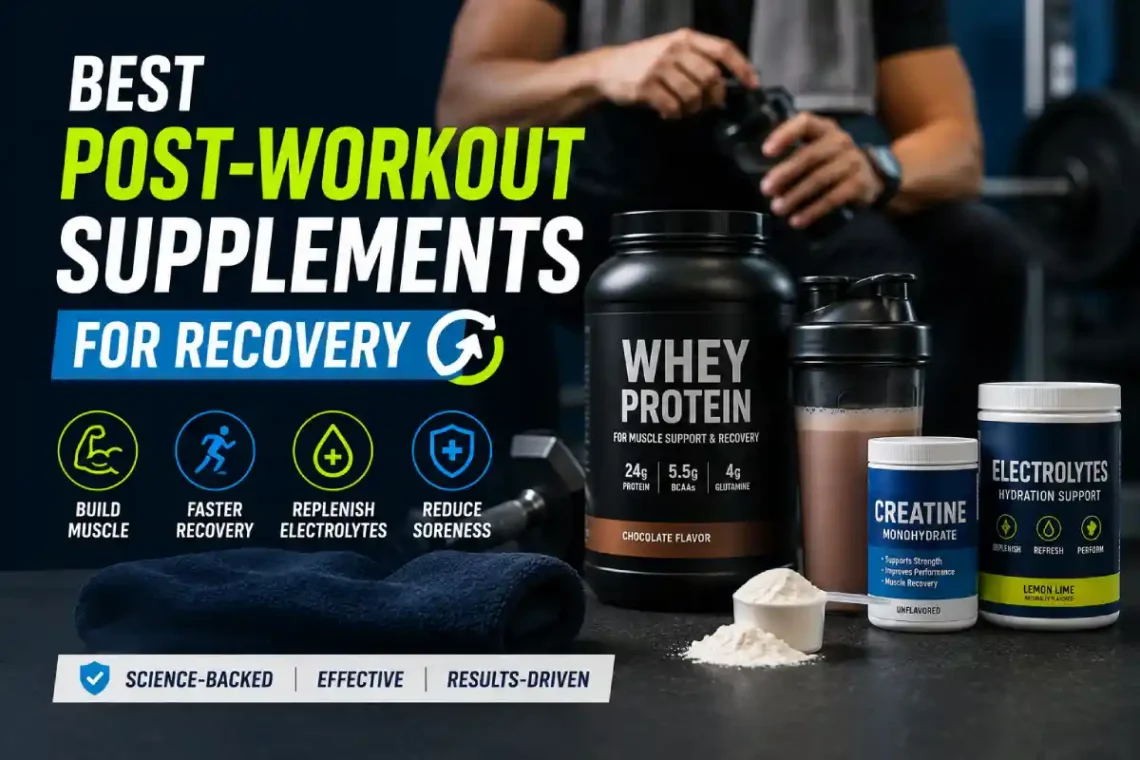
Just as the training itself is vital, the same can be said for your recovery after a workout. Using post-workout supplements can allow for muscles to repair, energy stores to be refilled, pain to be managed, and your body to get ready for its next workout. Whether you’re performing weights training or running; high-intensity bouts or anything in between – having a recovery and nutrition gameplan will benefit you in the long run – therefore, getting to grips with the best post-workout supplements for you, is really important. Given what the field of sports nutrition says up to and including 2026, protein and creatine supplementiation, alongside carbohydrate stores and hydration for adequate rest, are essential in promoting recovery among those who are healthy and well.
❝
This article is a part of
Muscle Building Hub
Why Recovery Matters
Recovery is when your body adapts to exercise.
During recovery your body:
- Repairs damaged muscle fibers
- Restores glycogen (energy)
- Rehydrates cells
- Reduces inflammation
- Builds stronger muscles
Poor recovery often leads to:
- Constant fatigue
- Muscle soreness lasting several days
- Reduced workout performance
- Higher injury risk
- Training plateaus
Recovery starts immediately after exercise and continues for the next 24–48 hours.
Post-workout recovery is just one piece of the puzzle—our complete guide to muscle-building supplements explains how different supplements work together to support muscle growth and performance.
Protein After Exercise
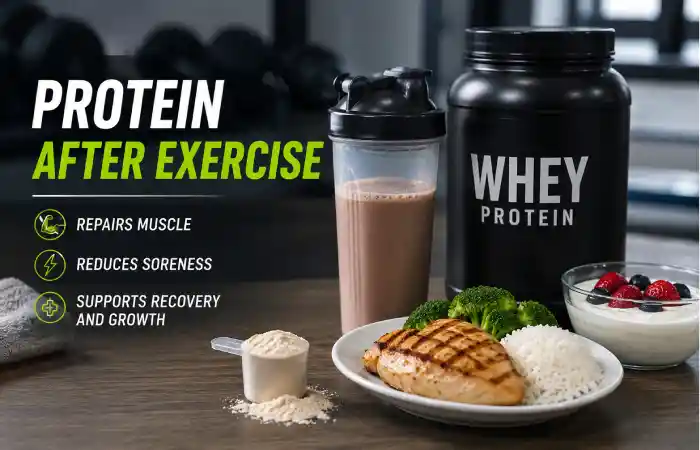
If you want to get ready to have an incredible post-workout routine, you have to know that protein is definitely a macronutrient that cannot be missing. It’s not only crucial for muscle building, but also fat loss, improved sport performance, and pretty much anything else your body wants to accomplish post-training. During your workout – and even more during resistance training and high intensity work – your muscle fibers break down.
In fact, you create micro-tears, that is a fundamental process.
The Protein you’re drinking is the one that is loaded with all the required amino acids, that your muscles are in search for, and most importantly Leucine, that aids MPS, which is Muscle Protein Synthesis.
How Much Protein Do You Need?
Your post-workout protein dosage depends largely on your size, intensity of training, goals etc. But healthy adults need anywhere from 20 to 40 gms of good quality protein post workout to achieve good gains.
| Fitness Goal | Recommended Protein Intake |
| General Fitness | 20–25 g |
| Muscle Building | 25–40 g |
| Weight Loss | 20–30 g |
| Endurance Training | 20–30 g |
That said, hitting your total daily protein goal is far more important than precisely timing it.
A quality best protein powder for muscle gain can provide the essential amino acids your muscles need immediately after exercise.
Best Protein Sources After a Workout
| Protein Source | Benefits |
| Whey Protein Isolate | Fast digestion, high leucine content, ideal for muscle recovery |
| Whey Protein Concentrate | Cost-effective and protein-rich |
| Casein Protein | Slow-digesting, suitable before bedtime |
| Plant-Based Protein | Great option for vegans and those with dairy intolerance |
| Greek Yogurt | Natural source of protein and calcium |
| Eggs | Complete protein with essential nutrients |
| Lean Chicken or Fish | Whole-food protein for balanced recovery meals |
When Should You Eat Protein?
Many people used to cling to the notion that you need to pound a protein shake within half an hour of completing your last rep or set. These days, sport nutrition scientists are generally agreed that it’s perfectly fine to ingest your protein within an hour or two of your workout – especially if you have eaten in the last few hours prior to training. If you train in the morning (or in a fasted state) then a quick hit of protein might be more advantageous.
Protein Alone Isn’t Enough
Take it with your carbohydrates to improve your recovery. Your carbohydrate intake refills the fuel storage your muscles are going to burn through during your exercise while your protein is going to begin repairing muscle damage that might have been done.
Simple post-workout meal example:
- Whey protein shake and a banana
- Grilled chicken breast and brown rice with veggies
- Greek yogurt with berries and oats
- Tofu and quinoa with assorted vegetables
Taking time to add plenty of protein to your diet in your post workout meal will provide your muscles with exactly what they need to recover from each workout with minimal muscle soreness so you get the maximum benefits.
Creatine Recovery Benefits
The most widely known benefit of creatine is that it increases strength and power, although there are others that include enhanced recovery.
Benefits include:
- Faster ATP regeneration
- Improved training quality
- Reduced muscle damage in some training contexts
- Better recovery between high-intensity sessions
- Increased lean muscle over time
Recommended Dosage
- 3–5 g creatine monohydrate daily
- Consistency matters more than timing.
Is Creatine Safe?
To most people creatine monohydrate is the sports supplement with the most amount of research behind it and has been proven safe to use as per instructions. (ACSM)
Protein vs Creatine
| Feature | Protein | Creatine |
| Repairs Muscle | ✅ | Partial |
| Builds Strength | Moderate | Excellent |
| Improves Recovery | High | High |
| Daily Use | Yes | Yes |
| Best After Workout | Yes | Any Time |
Adding creatine for muscle growth to your post-workout routine may improve strength gains and support faster recovery over time.
Electrolytes
The sodium, potassium, magnesium and other minerals we lose when we sweat can be replaced by rehydrating with sports drinks or powders that can provide a boost of hydration after strenuous exercise lasting more than an hour.
Electrolytes are most useful if you:
- Sweat heavily
- Exercise for more than 60–90 minutes
- Train in hot or humid weather
- Participate in endurance sports
Common Electrolytes
| Electrolyte | Function |
| Sodium | Fluid balance |
| Potassium | Muscle contraction |
| Magnesium | Muscle relaxation |
| Calcium | Nerve signaling |
This fluid balance can help regulate the heart, maintain working power and even prevent muscular cramps during a long workout, but in reality water usually does a sufficient job for most short workouts. (ISSN)
Unsure which amino acid supplement is best after training? Read our BCAA vs EAA comparison to make an informed choice.
Recovery Nutrition
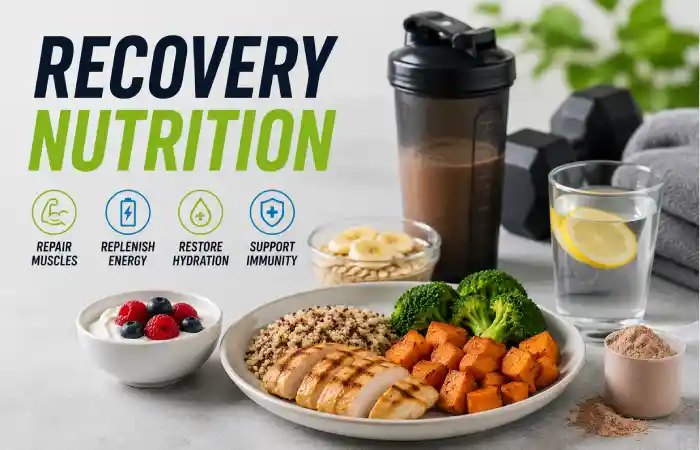
Supplements work best alongside a balanced recovery meal.
An ideal post-workout plate includes:
- Lean protein
- Complex carbohydrates
- Fruits or vegetables
- Healthy fats (in moderate amounts)
- Plenty of fluids
Sample Recovery Meal
| Food | Benefit |
| Grilled chicken | Protein |
| Brown rice | To restore glycogen stores |
| Mixed vegetables | Vitamins and minerals |
| Greek yogurt | Protein + calcium |
| Banana | Potassium and carbohydrates |
Recovery Supplements Comparison
| Supplement | Best For | Evidence |
| Whey Protein | Muscle repair | ⭐⭐⭐⭐⭐ |
| Creatine Monohydrate | Strength & recovery | ⭐⭐⭐⭐⭐ |
| Electrolytes | Hydration | ⭐⭐⭐⭐ |
| Omega-3 | Recovery support | ⭐⭐⭐ |
| Tart Cherry Concentrate | Reducing soreness after strenuous exercise | ⭐⭐⭐ |
Building a Post-Workout Routine
An effective recovery routine doesn’t need to be complicated.
Example Routine
Immediately After Workout
- Drink water
- Cool down
Within 1–2 Hours
- Eat a meal with protein and carbohydrates
- Take creatine if it’s part of your daily routine
Later
- Light walking or mobility work
- Continue hydrating
At Night
- Aim for 7–9 hours of quality sleep
Consistency with these habits usually has a greater impact than relying on supplements alone.
If you prefer clean-label options, these natural muscle-building supplements can support recovery without relying on heavily processed ingredients.
Troubleshooting Common Recovery Problems
| Problem | Solution |
| Persistent soreness | Prioritize sleep, protein, and recovery days |
| Muscle cramps | Increase fluids and electrolytes if appropriate |
| Low energy | Include quality carbohydrates after training |
| Slow progress | Meet daily protein and calorie goals consistently |
| Digestive discomfort from shakes | Try smaller servings or an alternative protein source |
Before combining multiple recovery products, review the common muscle-building supplement side effects to ensure safe and effective supplementation.
Frequently Asked Questions
What is the best post workout supplement?
The majority of people would find there is the greatest support from whey protein (or another high quality protein powder) and creatine monohydrate with respect to recovery and performance, provided they’re also following a decent diet.
Is creatine better than protein?
Nope. Protein is muscle building, creatine helps in energy transfer and performance. It all depends on what is being trying to achieve.
Do I need electrolytes after every workout?
No. Electrolytes would primarily be beneficial following high volume, prolonged sessions, particularly those accompanied by heavy sweating or that took place in the heat. Water is usually sufficient in the vast majority of scenarios.
Can beginner users of recovery supplements use additional supplements?
Yes. While there will likely be far greater benefit from focusing on meeting daily protein requirements and water needs before considering extra supplements.
What can be used to decrease muscle soreness?
Adequate water intake, protein intake and sleep. Certain products such as tart cherry concentrate have some evidence supporting use.
Conclusion
When it comes to post-workout supplements for recovery, quality, scientifically supported supplements will have the greatest impact. Some good post-workout recovery supplement options with research to back them up include high quality protein powder, creatine monohydrate, and electrolytes. It’s important to note, though, that these products are only as good as the healthy lifestyle that accompanies them. In other words, the supplements for recovery will be less beneficial if your training is unstructured, you’re not getting enough sleep, and you have poor nutritional habits.
Afiya Jafar is a fitness and wellness writer who focuses on making health, exercise, and healthy lifestyle information simple and practical. Her work covers workouts, fitness motivation, strength training, nutrition, weight management, stress management, mindfulness, and everyday wellness.
Read Full Bio of Afiya Jafar →
Sameena Begum reviews selected health, wellness, fitness, and digital content for clarity, factual presentation, consistency, and reader usefulness. Her review work helps maintain clear and responsible editorial standards across PhysicalFitt content.
Read Full Bio of Sameena Begum →
Dr. Khizrana Begum is a qualified medical professional with MBBS and MD qualifications and 5+ years of experience in the medical field. She works as a General Physician and Dermatologist, with expertise in general medicine, dermatology, preventive healthcare, and skin health.
Read Full Bio of Dr. Khizrana Begum →