
Last Updated: September 10, 2026
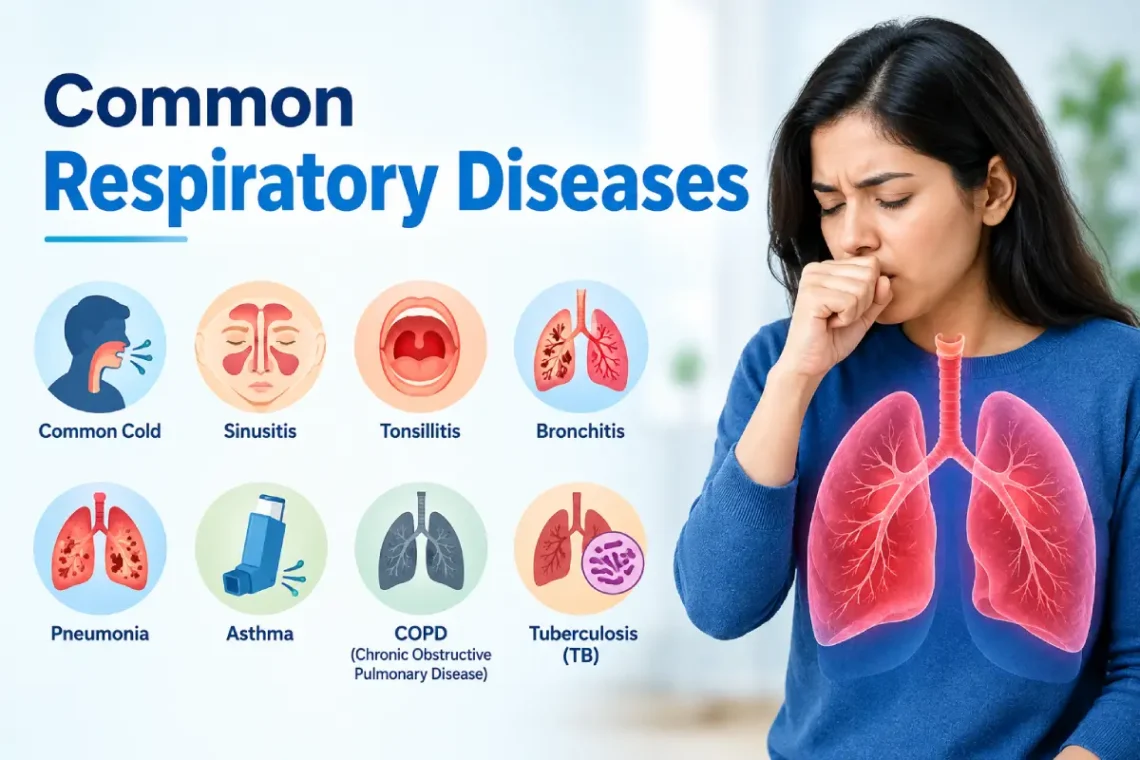
The common respiratory diseases are conditions which can involve the airway, lung and other areas within the body that make it hard to breathe. Their severity can vary from simple infections like a cold and bronchitis right through to more chronic disease such as asthma and COPD (Chronic Obstructive Pulmonary Disease). Illnesses associated with the respiratory system are common and whilst some forms are trivial, serious conditions can manifest quickly if not diagnosed and treated appropriately.
The understanding of respiratory illness is an important part of diagnosis in that these conditions can manifest with the common symptoms of wheeze, cough and breathlessness. It is possible for a number of causes to produce these and other symptoms, and an awareness of which symptoms demand further investigation is therefore beneficial.
What Are Respiratory Diseases?
Respiratory diseases damage the organs responsible for respiration, namely nose, throat, the airways, and lungs. Respiratory diseases can be generally classified as:
- Upper respiratory diseases which may affect the nose, sinuses, throat and the upper airways.
- Lower respiratory diseases which may affect the bronchi, bronchioles and the lungs.
- Acute diseases that can happen and last for short periods.
- Chronic diseases that can last for long periods, or come and go over long periods.
Examples are asthma, COPD, bronchitis, pneumonia, influenza, viral respiratory disease, tuberculosis and allergic respiratory disease.
Common Upper Respiratory Conditions
Diseases affecting the upper respiratory system generally concern the nose, sinuses and the throat.
The common cold
Usually caused by a number of types of viruses, the common cold involves the respiratory tract, and may present with a running or blocked nose, sneezes, sore throat and a cough.
Allergic Rhinitis
Allergic rhinitis happens because the immune system over-reacts to a normally harmless allergen, such as pollen, house dust or animal dander. Its features may include sneezes, blockage of the nose, a running nose and itchy or watery eyes.
Sinusitis
Involves the inflammation of the sinuses and may be heralded by facial discomfort (or pressure on the sinuses), a blocked nose, headache and discharge that tends to be a bit thick, from the nose.
Supportive treatment is usually sufficient to deal with the normal uncomplicated upper respiratory infections although one should consider a doctor’s assessment when their nature remains or is severe.
Common Lower Respiratory Conditions
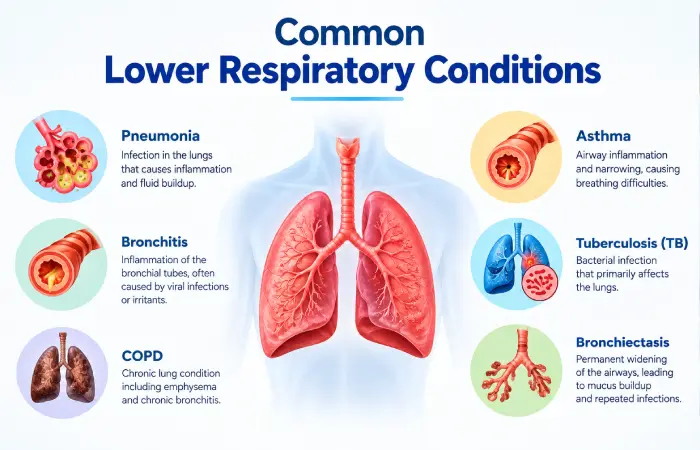
Lower respiratory diseases affect the airways and lungs and can sometimes be more serious.
Common examples include:
| Usually acute or chronic? | Condition | Typical features |
| Usually acute | Bronchitis | Cough, mucus, chest discomfort |
| Usually acute | Pneumonia | Fever, cough, breathing difficulty |
| Chronic | Asthma | Wheezing, cough, chest tightness |
| Chronic | COPD | Persistent cough and breathlessness |
| Chronic/infectious | Tuberculosis | Persistent cough, fever, weight loss |
| Chronic | Bronchiectasis | Chronic cough and mucus |
The American Lung Association has many of these infectious, chronic, occupational and structural diseases within their online directory.
Asthma
Asthma is a chronic disease in which inflammation and narrowing of the airways make breathing more difficult.
Common symptoms include:
- Wheezing
- Coughing
- Shortness of breath
- Chest tightness
Triggers of and exacerbations of asthma symptoms: respiratory infections; triggers like pollen; exercise,cold air,;smoke and air pollution. The WHO calculated that,in 2023 363 million of the world population suffered from asthma and that asthma accounted for the deaths of 442 000 people in the world.
There is not a cure for asthma at present but the symptoms can be controlled, and acute attacks can be reduced using a range of asthma therapies that include inhaled drugs.
Chronic Obstructive Pulmonary Disease
A group of progressive and irreversible lung disease where there is limitation of airflow in the airways is chronic obstructive pulmonary disease (COPD). Chronic bronchitis and emphysema are two major diseases included under COPD.
Signs and Symptoms
It can have many different symptoms that might show some differences according to which type of COPD they may be suffering from however the usual symptoms include: Chronic Cough, mucus production,whezing, shortness of breath, fatigue and repeated infections in the lungs and respiratory tracts
Respiratory Infections
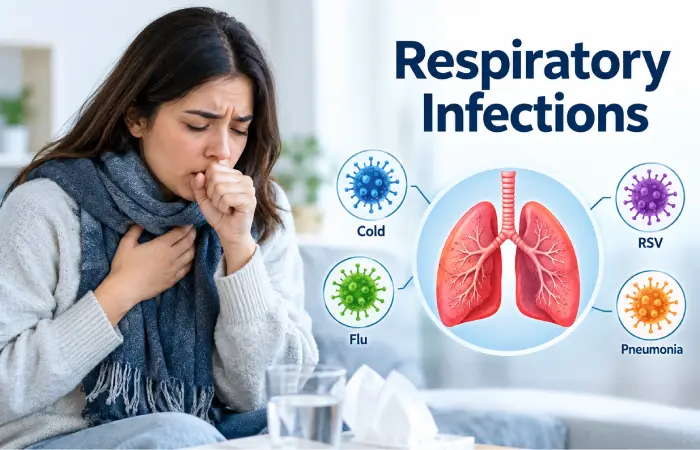
Respiratory infections can be caused by viruses or bacteria. Common examples include:
- Common cold
- Influenza
- COVID-19
- RSV infection
- Acute bronchitis
- Pneumonia
- Whooping cough
The CDC also shows the influenza virus, coronavirus, RSV, adenovirus, rhinovirus/enterovirus and parainfluenza as being common respiratory viral illnesses.
It is critical that antibiotics don’t treat viral illness. For example most cases of acute bronchitis are a result of a virus and resolve on their own without the help of antibiotics. Antibiotics might be prescribed if the clinician has the suspicion of (or believes they have diagnosed) a bacterial infection.
Common Symptoms
Although symptoms vary by disease, common respiratory symptoms include:
- Cough
- Shortness of breath
- Wheezing
- Chest tightness
- Sore throat
- Runny or blocked nose
- Phlegm or mucus
- Fever
- Fatigue
An Indian multicentre SWORD study involving 25,177 adults across 302 sites found cough, breathlessness and wheezing to be the most frequently reported respiratory symptoms.
2026 evidence snapshot: respiratory disease burden in India
| Respiratory diagnosis | Share in SWORD outpatient study |
| Asthma | 29.8% |
| COPD | 15.6% |
| Respiratory tract infections | 11.3% |
| Tuberculosis | 8.7% |
| Bronchiectasis | 7.1% |
It should be noted that these figures represent the proportion of each disease in an Indian multicentre study, and should not be taken as representative of the prevalence of each disease in the Indian population at large. There were significant seasonal fluctuations of asthma, COPD, respiratory infections and TB in this study.
Risk Factors
Several factors can increase the likelihood of respiratory disease.
Important risk factors include:
- Smoking and secondhand smoke
- Indoor and outdoor air pollution
- Occupational dust and chemicals
- Allergens
- Respiratory infections
- Biomass-fuel exposure
- Family history of certain conditions
- Increasing age
- Poorly controlled chronic diseases
The WHO recognize significant preventable respiratory disease hazards including tobacco smoke, indoor and ambient pollution, allergens, and occupational dusts and chemicals. It is key in the prevention of COPD that smokers cease the habit and those not smoking avoid exposure to atmospheric pollution.
Diagnosis and Treatment
Symptoms are not always definitive of respiratory conditions, with cough and breathlessness being the symptoms of various illness.
Based upon the likely diagnosis, a medical professional can employ:
- Medical history and physical examination
- Oxygen saturation measurement
- Chest X-ray
- Blood tests
- Sputum testing
- Spirometry
- Other pulmonary function tests
- CT scans or specialized investigations when appropriate
Spirometry is most important in the investigation of airflow obstruction and is frequently used in Asthma and COPD diagnosis. The appropriate treatment is completely dependent on the diagnosis and may consist of inhaled drugs and / or other medications, antibiotics if an organism sensitive is isolated in specific bacterial infections, breathing rehabilitation or other specific treatments. Do not self medicate persistent breathing problems using antibiotics or prescription inhalers.
Respiratory Disease Prevention
All respiratory illness cannot be stopped but risk may be reduced by the following steps:
* Do not smoke, or inhale or are passively exposed to another’s cigarette smoke.
* Be aware of outdoor and indoor air pollutants, limit exposure.
* Protect yourself from industrial dusts and chemicals.
* Be up to date on appropriate vaccinations.
* Wash your hands often, avoid close contact with people having an acute illness.
* Known asthmatics need to identify and avoid the triggers causing wheezing.
* Do see a medical professional about chronic or evolving symptoms.
Vaccination is especially valuable against some acute respiratory infections that could cause severe health problems, or exacerbation of pre-existing conditions such as COPD which the American Lung Association is quoted saying can occur from such as influenza.
Conclusion
Various forms of respiratory illness can arise, from acute situations like common colds, to bronchitis and pneumonia, to chronic diseases such as asthma and COPD. Although many different breathing conditions can be caused by several symptoms; coughing wheezing, chest tightness and shortness of breath-early assessment will determine the condition of and treatments for the illness.
Protect yourself by not being in contact with smoke, whether it be the person smoking or air from it. Keep away from known respiratory triggers and pollutants such as dirt. Wash hands regularly, stay alert and updated on immunizations.
Get evaluated for chronic or serious illnesses; visit doctor immediately with sudden and severe breathing trouble.
The knowledge of varieties, symptomps, trigger agents and assessment and treatments of common respiratory ailments will lead to better health. Speak with medical doctors for advice best suited for you.