
Last Updated: September 9, 2026
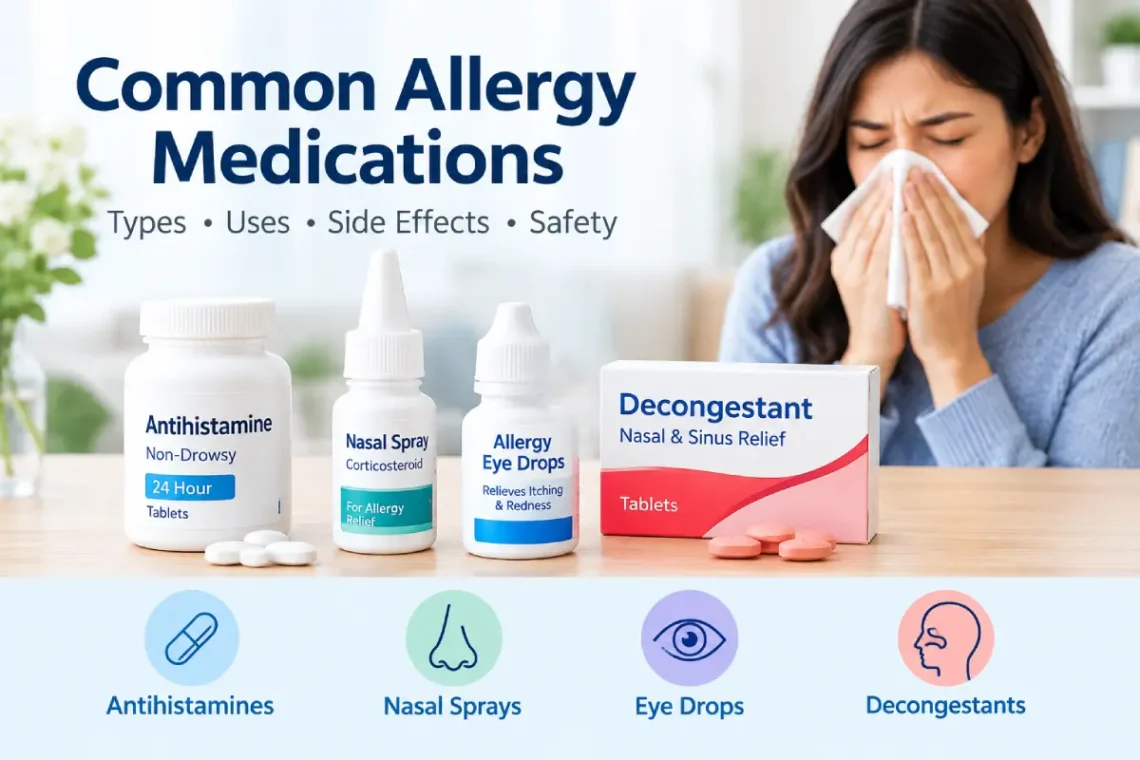
Having allergy symptoms can make daily life unpleasant, however many over-the-counter allergy medicines are available which can control symptoms like sneezing, itching, running or blocked nose and watering eyes. The correct medicine will vary due to your symptoms, their frequency, your age, other medications you are on and the general state of your health. Over-the-counter allergy medication can consist of tablets (anti-histamines),nasal sprays,eye drops,decongestants and other prescribed medicine.
The main kinds of allergy medication will be explained, working mechanisms, known side effects, and a few things you should check prior to taking it.
What Are Allergy Medications?
Allergy medicationis any drugs, remedies, or substance that can relieve or control symptoms triggered off by the body’s immune system’s reaction, allergic reaction. The immune system can release agents that includeHistamine, which produces the following symptoms such as sneezing, watery eyes and itchy nose and eyes. This is why the remedy includes Antihistamines and Corticosteroids (reduce inflammation).
Over-the-counter products can also be readily found but prescription products would need the doctor or a qualified health professional to prescribe you an allergy remedy.
Note that there are several allergy medications that you can choose from that will match your condition from severe to just slightly bothered and are available over the counter.
Types of Allergy Medications
The main categories include:
| Medication type | Examples | Commonly helps with |
| Antihistamines | Cetirizine, loratadine, fexofenadine | Sneezing, itching, runny nose, watery eyes |
| Nasal corticosteroids | Fluticasone, budesonide, mometasone | Congestion, sneezing, runny or itchy nose |
| Nasal antihistamines | Azelastine, olopatadine | Nasal allergy symptoms |
| Allergy eye drops | Ketotifen, olopatadine | Itchy, red or watery eyes |
| Decongestants | Pseudoephedrine, oxymetazoline | Short-term nasal congestion |
| Mast-cell stabilizers | Cromolyn | Certain allergic-rhinitis symptoms |
| Leukotriene modifiers | Montelukast | Selected allergy/asthma cases |
The exact availability of products and whether they require a prescription varies by country.
Antihistamines
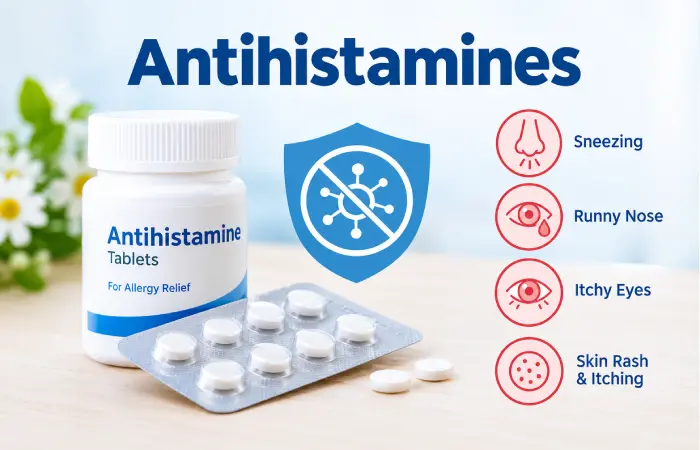
Antihistamines Antihistamines are among the most popular type of allergy medicine. They work by blocking histamine and can help with such things as: sneezing, itching, a running nose, and water, itchy eyes.
Common examples include:
- Cetirizine
- Loratadine
- Fexofenadine
- Levocetirizine
- Diphenhydramine
Some antihistamines are more likely to make you feel drowsy than others. Some medicines may be generally thought of as not sedating, but still can cause drowsiness in some individuals.
Tip: If medicine makes you feel drowsy then it would be inadvisable to drive or operate machinery until you know the exact effect it is having on yourself.
Nasal Allergy Medications
If most of your allergic reactions occur from the nose, there are quite a few nasal medications that could be used to help them.
Nasal corticosteroids
The nose contains quite few capillaries and are considered to be the first choice for allergic rhinitis as they reduce the inflammation within the nasal tissues. There are examples such as fluticasone, budesonide, triamcinolone and mometasone. They will help with;
- Nasal congestion
- Sneezing
- Runny nose
- Itching within the nose
They only really seem to work over the course of time rather than a quick quick relief for nasal allergy symptoms. Side effects could include stinging of the nose, unwanted taste to the back of the mouth, and also nosebleeds to a lesser extent.
Nasal antihistamines
There are two nasal antihistamines: azelastine and olopatadine. These may relieve your nasal symptoms of allergic reactions.
Decongestant sprays
For severe blockages to the nose temporary relieve may come through using nasal decongestants for a short amount of time before you can potentially face nasal rebound blockage again.
Allergy Eye Drops
There are antihistamine eye drops which relieve symptoms of itchy, watery and red eyes for eye allergies. Some of the most common active ingredients used are:-
- Ketotifen
- Olopatadine
There are some eye drops which are a mixture of antihistamines with other active ingredients. Coritosteroid eye drops can be prescribed for certain severe eye diseases, however regular medical supervision is required in order to prevent serious eye conditions like glaucoma, cataracts and infections.
How Allergy Medications Work
Different medicines target different parts of the allergic response.
| Medication | Best suited to | Main action |
| Antihistamine | Itching, sneezing, runny nose | Blocks histamine |
| Nasal corticosteroid | Congestion and persistent nasal symptoms | Reduces nasal inflammation |
| Nasal antihistamine | Nasal allergy symptoms | Blocks histamine locally |
| Eye drops | Itchy/watery eyes | Reduce allergic eye symptoms |
| Decongestant | Short-term congestion | Shrinks swollen nasal tissue |
| Cromolyn | Selected allergic-rhinitis cases | Helps prevent release of inflammatory chemicals |
For frequent or seasonal allergic rhinitis, nasal corticosteroids are often considered among the most effective treatments for nasal symptoms.
Common Side Effects
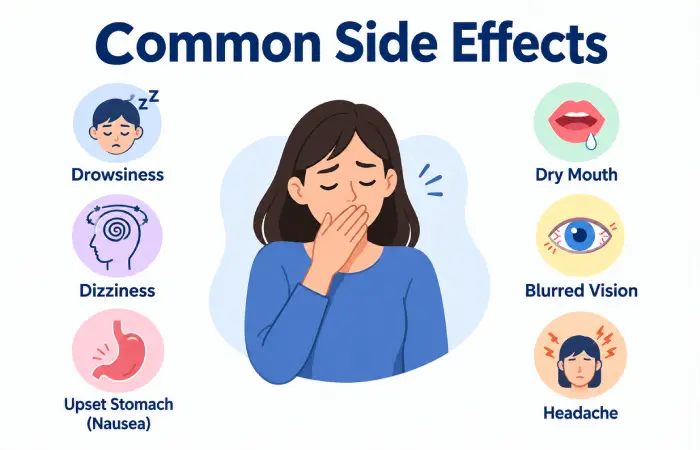
Side effects vary according to the medication.
Antihistamines may cause:
- Drowsiness
- Dry mouth
- Headache
- Dry eyes or nose
Nasal corticosteroids may cause:
- Nasal irritation
- Nosebleeds
- Unpleasant taste or smell
Decongestants may cause:
- Increased blood pressure
- Headache
- Irritability
- Difficulty sleeping
The FDA specifically warns that some antihistamines can cause drowsiness and affect driving or operating machinery.
Allergy Medication Safety
Never assume that an OTC medicine is automatically safe for everyone.
Speak with a doctor or pharmacist before starting an allergy medicine if you:
- Take several medications.
- Have high blood pressure or heart disease.
- Have glaucoma.
- Are pregnant or breastfeeding.
- Are treating a child.
- Have asthma or another chronic condition.
- Have previously experienced medication reactions.
Particular care with decongestants is called for in cases of high blood pressure or heart disease.
Medication Interactions
The particular type of medicine you are taking for allergies could potentially react in certain ways with other drugs or products.
For example, drowsy-causing types of antihistamines (sedating) could be further increased if combined with other such products.
Decongestants, could also be incompatible with certain cardiovascular ailments or medications. Never assume a specific medicine’s active ingredient won’t interfere and consult with a doctor or pharmacist before considering interactions.
When to Seek Medical Advice
Although most common allergy symptoms can be controlled by proper treatment, some reaction to allergen could pose health danger and need immediate treatment.
Consult a doctor for emergency immediately if the following symptoms are experienced;
- breathing difficulties
- swollen tongue or throat
- fainting or severe dizziness
- the condition has developed suddenly to extreme level
These can occur during a life-threatening reaction known as anaphylaxis and need urgent medical treatment.
Persistent or repeated allergy symptoms need the advice and treatment plan from your doctor to know what the causes of your reaction are. Sometimes, an allergologist might suggest an immunotherapy.
Final Takeaway
Not all antihistamine treatments are suitable for every person. Itching, sneezing and a runny nose may be effectively treated using antihistamines, however nasal steroids may work for severe nasal inflammation or congestion while eye drops help treat itchy/ watery eyes.
Short-term relief from congestion might be afforded from decongestants but these may require extra precautions and the safest way to approach an allergy medication is to base your choice around your symptoms, paying close attention to ingredients, the possibility of interactions and when in doubt consult your pharmacist or doctor.