
Last Updated: June 24, 2026
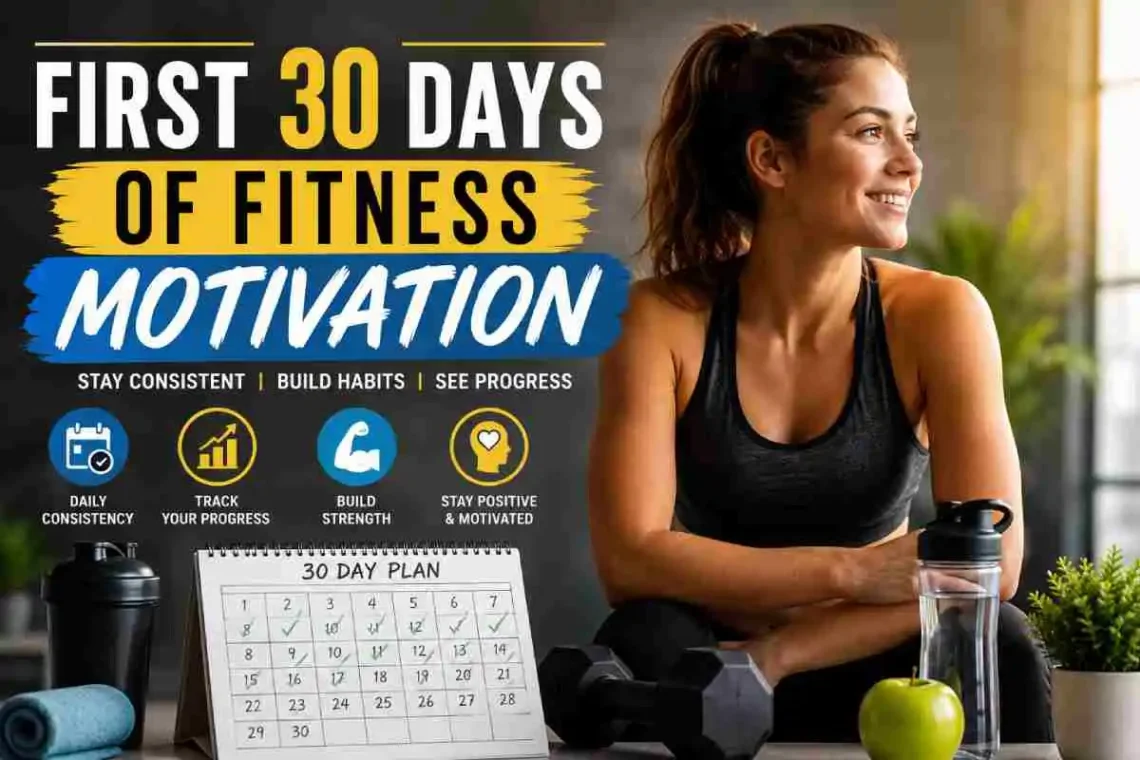
Embarking on the journey of fitness can be exciting, overwhelming, intimidating and rewarding-sometimes, simultaneously. The first thirty days of motivation to working out can be the most crucial-it is during this time when habits are created, the mind becomes convinced of the benefits, and long-term commitment is established.
Many fitness beginners will likely have aspirations for an entirely different physique within thirty days, but that really isn’t a realistic expectation; the initial 30 days of working out should focus on creating consistent workouts, forming healthy exercise habits and a positive state of mind so that the motivation to continue, even when results take a while to show, stays strong.
Why the First 30 Days Matter Most
In every study and by every fitness professional, the first month is said to be more about habit formation than a changing body.
This is why: over the first 30 days your body is adjusting to a larger amount of: increased movement, more effective cardio, better form, increased recoverability and healthier habits,
Instead of the effort and exact science of achieving perfect movement or outcomes. The target is consistency not perfection.
What to Expect During Your First 30 Days
Week 1: Excitement and Adjustment
Most beginners start highly motivated.
You may experience:
- Muscle soreness
- Increased fatigue
- Difficulty maintaining routine
- Improved mood after workouts
This is normal. Your body is adapting to new demands.
Week 2: The Motivation Dip
People experience a decline in motivation during the second week.
Common thoughts include: “I’m not seeing results.”
This is where discipline begins replacing motivation.
Week 3: Building Momentum
Around week three, many beginners notice:
- Improved endurance
- Better energy levels
- Less soreness
- Improved sleep quality
These non-scale victories are often the first signs of progress.
Week 4: Habit Formation
Till now, the workouts start feeling more natural.
Many people report:
- Increased confidence
- Better workout performance
- Improved consistency
- Greater self-discipline
Setting Beginner-Friendly Fitness Goals
SMART Fitness Goals Example
| Better Goal | Goal Type | Poor Goal |
| Lose 4–8 pounds in 8 weeks | Weight Loss | Lose 20 pounds fast |
| Exercise 3 times weekly | Exercise | Workout every day |
| Complete 10 push-ups in 30 days | Strength | Get stronger |
| Walk 30 minutes 4 days weekly | Cardio | Run a marathon |
Staying Motivated When Results Are Slow
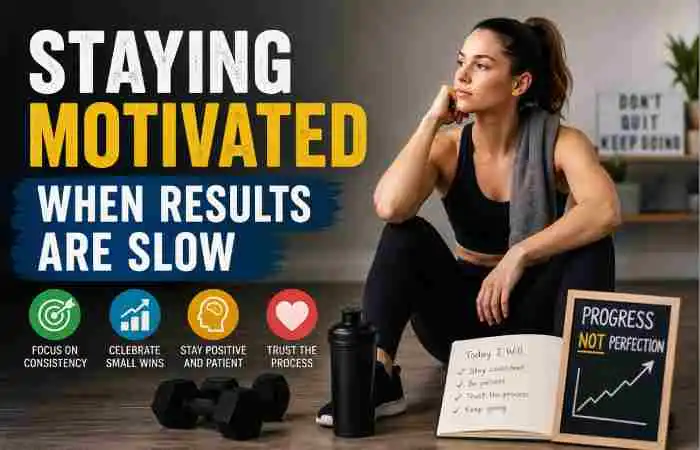
Focus on Non-Scale Victories
Track improvements such as:
- Increased energy
- Better sleep
- Reduced stress
- Improved mood
- More daily movement
- Better endurance
Motivation vs Discipline
Motivation comes and goes. Discipline keeps you moving forward.
Successful beginners learn to:
Follow a schedule
Do your exercise even when you don’t feel very driven and committed to it.
Prioritize progression rather than the pursuit of perfection.
2026 Beginner Fitness Progress Timeline
The following table represents typical beginner progress expectations.
| Timeline | Mental Changes | Physical Changes |
| Days 1-7 | Excitement | Soreness, fatigue |
| Days 8-14 | Motivation dip | Slight endurance gains |
| Days 15-21 | Increased confidence | Better recovery |
| Days 22-30 | Habit formation | Improved fitness performance |
Common Beginner Fitness Challenges

Muscle Soreness
Solution:
Stay hydrated
Stretch regularly
Prioritize recovery
Reduce workout intensity if necessary
Lack of Time
Solution:
Schedule workouts like appointments
Start with 20–30 minute sessions
Exercise at consistent times
Slow Results
Solution:
Track measurements instead of only weight
Take progress photos
Focus on consistency
Comparison Syndrome
Social media often shows unrealistic transformations.
Celebrating Small Wins Along the Way
To remain motivated on your fitness journey it helps to reward small achievements along the way. As a beginner many are drawn to looking at large goals such as a certain amount of weight lost, muscle mass gained or fitness milestone reached. Whilst these are great goals, it could take many weeks, or even months to achieve them.
Rewarding yourself as you work towards these large goals will give you a sense of achievement along the way and keep you motivated. Small achievements act as proof that your effort is starting to work, and is proving that you are making progress even before the larger outcomes have occurred.
Examples of Small Fitness Wins
- Completing your first full week of workouts
- Physical activity-30 day exercise program
- Adding extra steps each day
- Adding more weight to the lift you’re doing
- Running/cycling an extra mile
- Choosing healthier meals throughout the week
- Drinking more water daily
- Feeling less tired during workouts
- Sleeping better at night
- Feeling more confident and energetic
Why Small Wins Matter
The simple act of celebrating success builds on itself. When you achieve something-anything!- you build self-esteem and a desire to continue going. Behavioral psychology shows that progress-based reward has the power to increase habit formation and improve adherence to long-term changes.
Here are some other reasons why it’s important to celebrate little victories:
- Increased motivation
- Increased confidence
- Decreased frustration
- Commitment to goals
- Improved long-term habit formation
There’s nothing quite so demoralizing as waiting to reach some faraway end result. You’re not building a life by waiting for some future goal to be achieved, though.
Ways to Reward Yourself
| Fitness Milestone | Healthy Reward Idea |
| First week completed | Watch your favorite movie |
| 10 workouts finished | Buy a new workout shirt |
| Consistent for 30 days | Upgrade fitness equipment |
| Personal best achievement | Enjoy a relaxing recovery day |
| Reaching a fitness goal | Treat yourself to a wellness experience |
Keep a Progress Journal
A fitness journal can help you recognize wins that might otherwise go unnoticed. Record details such as:
- Workouts completed
- Energy levels
- Strength improvements
- Body measurements
- Daily habits
- Mood and confidence changes
Focus on Progress, Not Perfection
Nobody’s fitness journey is always 100%. You will miss workouts, you will have busy days, you will experience ups and downs. Don’t beat yourself up for the days you can’t give 100%, just remember all the things you have accomplished so far.
Every clean eating day, every workout you completed, and every good habit you establish are all steps in the right direction. In celebrating those “little wins” you will develop and maintain momentum and remain energized during times when fitness is a little more difficult.
Recommended Beginner Fitness Tools Comparison (2026)
| Tool | Best For | Pros | Cons |
| Fitness Apps | Accountability | Progress tracking | Requires consistency |
| Smart Watches | Activity monitoring | Real-time feedback | Higher cost |
| Resistance Bands | Home workouts | Affordable | Limited progression |
| Adjustable Dumbbells | Strength training | Space-saving | Initial investment |
Troubleshooting: Why Am I Not Seeing Results?
Problem: Scale Isn’t Moving
Possible reasons:
- Water retention
- Muscle gain
- Inconsistent nutrition
Problem: Low Motivation
Solutions:
- Join a fitness community
- Find a workout partner
- Set smaller goals
Problem: Frequent Missed Workouts
Solutions:
- Reduce workout duration
- Simplify your routine
- Schedule workouts in advance
Conclusion
The first 30 days of motivation aren’t about becoming a new you-they are about becoming a better you. Consistency. Prepare to overcome some struggles but know you’re also going to see and feel an increase in energy, confidence, healthy eating habits and a stronger mind set. Don’t focus on perfecting the habits, but focus on consistency. Enjoy your successes. What you start with your first 30 days could result in results that are present years to come.