
 Afiya Jafar
Fitness & Wellness Writer
Afiya Jafar is a fitness and wellness writer who focuses on making health, exercise, and healthy lifestyle information simple and practical.
Read Full Bio of Author →
Afiya Jafar
Fitness & Wellness Writer
Afiya Jafar is a fitness and wellness writer who focuses on making health, exercise, and healthy lifestyle information simple and practical.
Read Full Bio of Author →
 Sameena Begum
Health, Fitness & Digital Content Reviewer
Sameena reviews selected health, wellness, fitness, and digital content for clarity, factual presentation, and reader usefulness.
Read Full Bio of Reviewer →
Sameena Begum
Health, Fitness & Digital Content Reviewer
Sameena reviews selected health, wellness, fitness, and digital content for clarity, factual presentation, and reader usefulness.
Read Full Bio of Reviewer →
 Dr. Khizrana Begum
General Physician & Dermatologist
Dr. Khizrana Begum is a General Physician and Dermatologist with MBBS and MD qualifications and 5+ years of experience in the medical field.
Read Full Bio of Medical Reviewer →
Dr. Khizrana Begum
General Physician & Dermatologist
Dr. Khizrana Begum is a General Physician and Dermatologist with MBBS and MD qualifications and 5+ years of experience in the medical field.
Read Full Bio of Medical Reviewer →
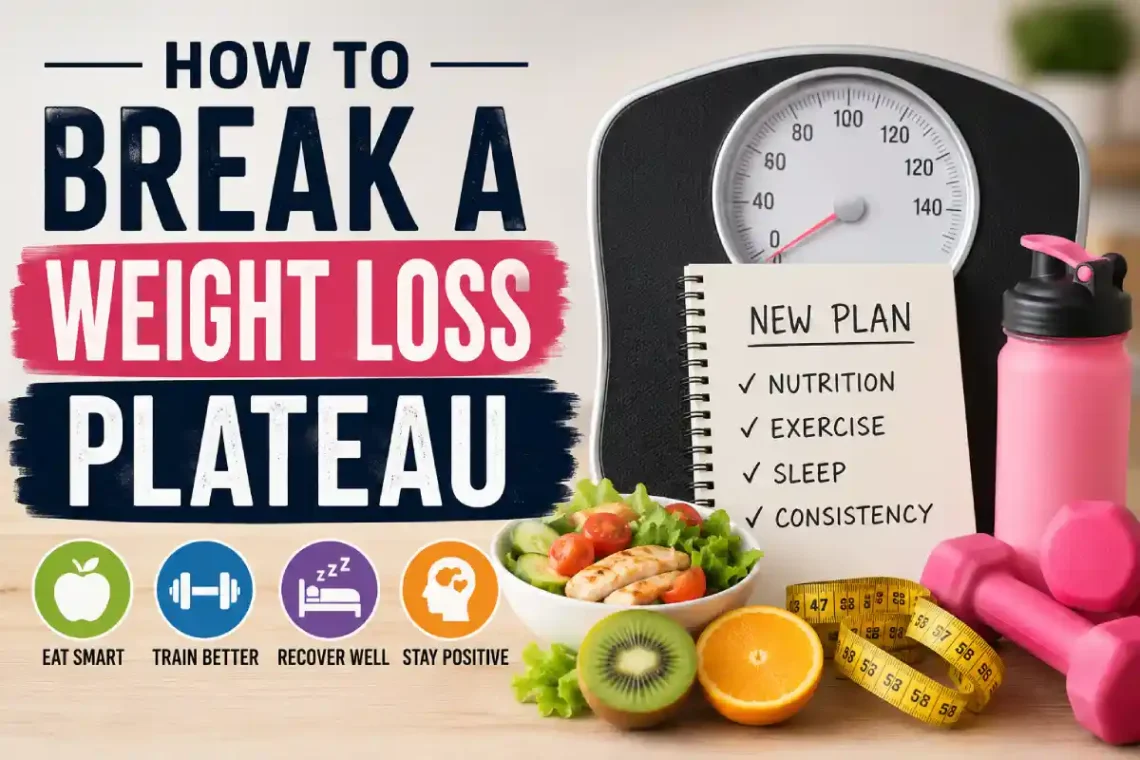
How to bust through weight loss plateau – Do you have this weight loss problem too? – – We all hit them. A few weeks into your diet and exercise regime and suddenly your weight doesn’t budge. This frustration doesn’t have to mean giving up though; as a new plan can bust you out of the plateau without radical diet change or extreme exercise routines. You hit a weight plateau for several reasons, but by targeting them, you will begin seeing the numbers fall again.
❝
This article is a part of
Weight Loss Motivation Hub
Why Plateaus Happen
It basically means calorie intake is equals to calorie outtake (meaning, we burned the same amount we ate). When you’re starting out in losing weight, it is faster simply because the bigger the body, the more we burn. However, as we get lighter, the body also slow down, because smaller body requires lesser energy.
Breaking through a plateau requires consistency and the right approach. Explore our complete weight loss motivation guide for proven strategies to stay motivated.
Common Reasons for Weight Loss Plateaus
| Cause | Impact on Weight Loss |
| Metabolic Adaptation | Body burns fewer calories |
| Reduced Physical Activity | Fewer calories burned daily |
| Inaccurate Calorie | Hidden calories slow progress |
| Poor Sleep | Increased hunger hormones |
| Stress | Higher cortisol levels |
| Muscle Loss | Lower resting metabolism |
Research published through major health organizations continues to show that metabolic adaptation is one of the leading causes of long-term weight loss stalls.
Reviewing Nutrition

Recalculate Your Calorie Needs
Sometimes a plateau is a sign that it’s time to review your realistic weight loss goals and adjust your expectations.
After losing weight, your calorie requirements decrease. A diet that once created a calorie deficit may now simply maintain your weight.
Increase Protein Intake
Protein will assist in preserving muscle mass and will assist you in staying feeling full.
Macronutrient –
Protein – 25-35%
Carbohydrates – 35-50%
Healthy Fats – 20-35%
Watch Hidden Calories
Common hidden calorie sources include:
- Coffee creamers
- Cooking oils
- Salad dressings
- Protein bars
- Sugary beverages
Even small additions can significantly affect your daily calorie intake.
Consider Diet Quality
Focus on:
- Lean proteins
- Fruits
- Vegetables
- Whole grains
- Healthy fats
Adjusting Exercise
The effect that can sometimes go along with certain workout regimens is the adaptation of your body.
Increase Workout Intensity
Consider:
- Increasing resistance training loads
- Adding interval training
- Reducing rest periods
- Increasing workout volume
Staying positive during a plateau is easier when you develop a resilient weight loss mindset focused on long-term progress.
Cardio vs Strength Training Comparison
| Factor | Strength Training | Cardio |
| Calorie Burn | Moderate During Exercise | High During Exercise |
| Muscle Building | High | Low |
| Metabolism Support | High | Moderate |
| Long-Term Fat Loss | Excellent | Good |
For most people, combining both approaches produces the best results.
Reassessing your healthy habits for weight loss can help you identify small changes that restart your progress.
Increase Daily Movement
Even though workout sessions burn a whole lot of calories, a healthy portion is shed throughout the entire day.
Examples include:
- Walking after meals
- Taking stairs
- Standing more frequently
- Household activities
Improving Recovery
Recovery is often overlooked but plays a major role in breaking a plateau.
Prioritize Sleep
Recommended Sleep Duration
| Age Group | Hours Per Night |
| Adults | 7-9 Hours |
| Older Adults | 7-8 Hours |
Manage Stress
Chronic stress could also be leading to over-eating and poorer recovery. Useful tips for managing stress:
- Meditation
- Walking outdoors
- Deep breathing exercises
- Yoga
- Journaling
Schedule Rest Days
Keeping a weight loss journal helps you spot patterns in your diet, workouts, and lifestyle that may be causing a plateau.
Working out too hard can leave you tired and unmotivated. The right recovery time will ensure your body performs as strong as it can be. (Mayo Clinic)
Staying Motivated
When the scale stops budging doesn’t equal going nowhere You could actually still be improving the composition of your body, while not losing weight on the scale.
Track Non-Scale Victories
Pay attention to:
- Clothing fit
- Strength gains
- Energy levels
- Improved endurance
- Better sleep quality
Progress Tracking Methods
| Method | Reliability |
| Scale Weight | Moderate |
| Body Measurements | High |
| Progress Photos | High |
| Body Fat Analysis | High |
| Fitness Performance | High |
Set Process-Based Goals
Instead of focusing only on pounds lost, focus on:
- Daily protein targets
- Weekly workout completion
- Hydration goals
- Sleep consistency
These habits often drive long-term success. (Healthline)
When to Seek Help
For the vast majority of plateaus can be sorted by adjusting your diet, workout routine, sleep and stress. But if you’ve been on the path to a healthy body for a few weeks now with the numbers on the scale not changing, you might want to consult with your healthcare professional. Your doctor will work with you to figure out what exactly might be holding you back from losing weight.
While few of the medical conditions lead to major weight gains as you pursue healthier living and work out, there are some conditions that make weight reduction challenging or that will cause your weight to creep up no matter your efforts such as those that include hypothyroidism, insulin resistance, polycystic ovary syndrome and hormone imbalances. Likewise, medications taken to help treat problems with inflammation such as steroids as well as blood pressure and depression may add to your weight gain.
If your plateau has been six to eight weeks and you’re continuing to stick to a deficit with regular exercise, consult your physician, a registered dietitian or weight-loss expert for assistance. They may be able to offer enhanced nutrition planning, body composition testing, metabolism testing, body composition testing and accountablity which can give your weight loss journey the push it needs to continue. Getting help is a smart idea.
Reading inspiring weight loss success stories can remind you that plateaus are temporary and can be overcome.
Weight Loss Plateau Troubleshooting Guide
| Problem | Possible Solution |
| No weight loss for 4+ weeks | Recalculate calorie intake |
| Constant hunger | Increase protein and fiber |
| Fatigue during workouts | Improve sleep and recovery |
| Loss of muscle mass | Add strength training |
| Stress eating | Implement stress management strategies |
| Lack of motivation | Track non-scale victories |
Weight Loss Tools Comparison (2026)
| Tool | Pros | Best For | Cons |
| Food Tracking Apps | Accurate calorie tracking | Nutrition Monitoring | Requires consistency |
| Smart Scales | Convenient data collection | Weight Trends | Weight fluctuates daily |
| Fitness Trackers | Encourages movement | Activity Monitoring | Calorie estimates vary |
| Personal Coach | Personalized guidance | Accountability | Higher cost |
| Registered Dietitian | Evidence-based advice | Nutrition Support | Appointment cost |
Frequently Asked Questions
How long can weight loss plateaus last?
This can vary depending on how long it takes the body to adapt (could be weeks to months). Factors that could cause this include activity level and what foods you are consuming.
Do I need to eat fewer calories to break through a plateau?
Not necessarily, at the time. You may need to focus on your intake, or consider protein. How to break through your plateau.
Does stress cause weight loss plateaus?
Some can lead to this issue.
Elevated cortisol levels associated with chronic stress can make it more difficult to achieve any goals, not only this but it affects hormone imbalances. So what you eat, how it all affects your body and even sleep all factor into this.
Should you have more than one weight plateau?
Many have several when you’re trying to shed those pounds. What should be changed when you do experience this issue in the long run? If you’re doing the same workouts for an extended period, consider switching it up and taking your fitness to new levels.
Conclusion
So now you have learned how to get over the hump of a weight loss plateau, all you have to do is go over this list, adapt to your plan and just do it. Always remember: The majority of people when struggling to overcome weight loss plateaus should stick to a moderate but consistent series of adjustments rather than the “hard cut-back” strategy. Just to help you start things off here are several of the top proven effective and evidence-based weight loss plateau bust tactics.
Afiya Jafar is a fitness and wellness writer who focuses on making health, exercise, and healthy lifestyle information simple and practical. Her work covers workouts, fitness motivation, strength training, nutrition, weight management, stress management, mindfulness, and everyday wellness.
Read Full Bio of Afiya Jafar →
Sameena Begum reviews selected health, wellness, fitness, and digital content for clarity, factual presentation, consistency, and reader usefulness. Her review work helps maintain clear and responsible editorial standards across PhysicalFitt content.
Read Full Bio of Sameena Begum →
Dr. Khizrana Begum is a qualified medical professional with MBBS and MD qualifications and 5+ years of experience in the medical field. She works as a General Physician and Dermatologist, with expertise in general medicine, dermatology, preventive healthcare, and skin health.
Read Full Bio of Dr. Khizrana Begum →