
 Afiya Jafar
Fitness & Wellness Writer
Afiya Jafar is a fitness and wellness writer who focuses on making health, exercise, and healthy lifestyle information simple and practical.
Read Full Bio of Author →
Afiya Jafar
Fitness & Wellness Writer
Afiya Jafar is a fitness and wellness writer who focuses on making health, exercise, and healthy lifestyle information simple and practical.
Read Full Bio of Author →
 Sameena Begum
Health, Fitness & Digital Content Reviewer
Sameena reviews selected health, wellness, fitness, and digital content for clarity, factual presentation, and reader usefulness.
Read Full Bio of Reviewer →
Sameena Begum
Health, Fitness & Digital Content Reviewer
Sameena reviews selected health, wellness, fitness, and digital content for clarity, factual presentation, and reader usefulness.
Read Full Bio of Reviewer →
 Dr. Khizrana Begum
General Physician & Dermatologist
Dr. Khizrana Begum is a General Physician and Dermatologist with MBBS and MD qualifications and 5+ years of experience in the medical field.
Read Full Bio of Medical Reviewer →
Dr. Khizrana Begum
General Physician & Dermatologist
Dr. Khizrana Begum is a General Physician and Dermatologist with MBBS and MD qualifications and 5+ years of experience in the medical field.
Read Full Bio of Medical Reviewer →
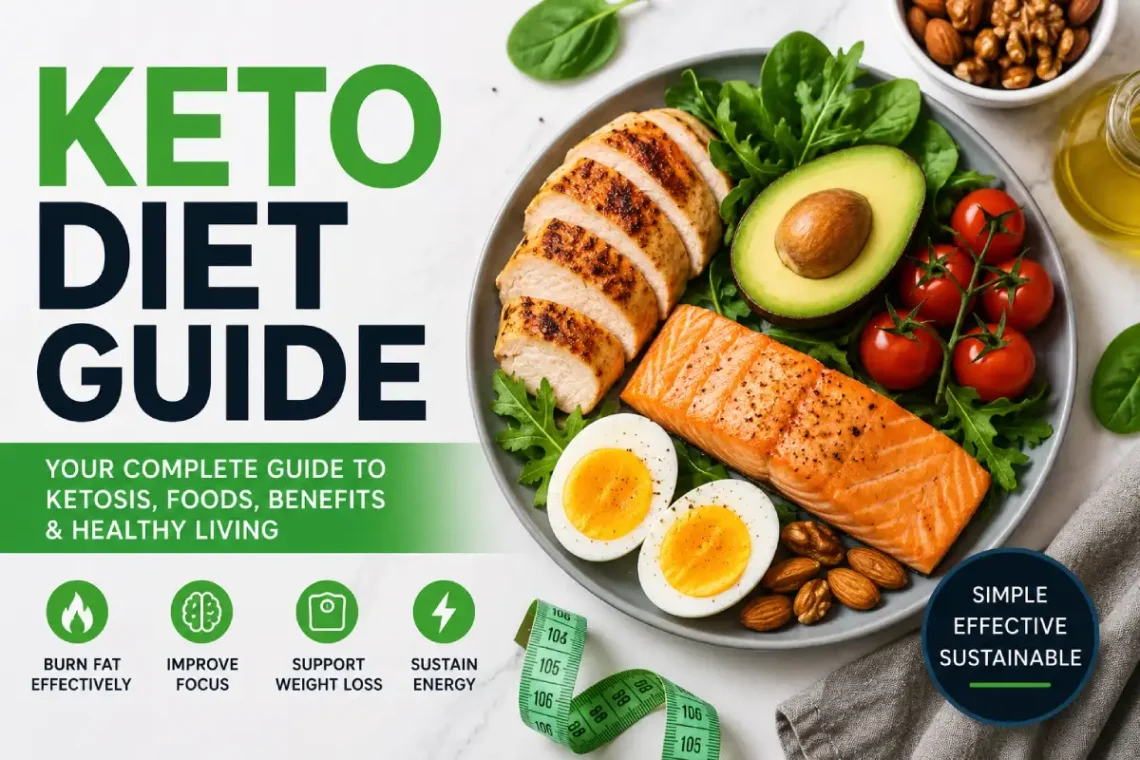
The first thing you need to know if you are researching a Keto Diet Guide is that it’s not just bacon, butter, and cheese. Ketogenic diets are very low-carb diets intended to force your body into ketosis and turn you into a fat and ketone burning machine.
If this diet is completely new to you the learning comes through getting the basics really locked in on how ketosis works and the types of foods you really should eat and avoid at all costs, so you are doing this right!
This article gives you the lowdown on keto in clear terms and lays it all out from what the science says, to what is has just been assumed from all the myths out there.
❝
This article is a part of
Special Diets Hub
What Is the Keto Diet?
The ketogenic diet:A few numbersThe ketogenic diet is a low carbohydrate-high fat -low moderate protein diet. The generally accepted amount is a maximum of between 20 and 50g (although there’s some room for individual variability) each day. So for many ketogenic ways of eating you will try to get your carbs in before reaching around a third of this. The American Diabetes Association considers very low carbohydrate consumption to consist of between approximately 20 to 50 g per day excluding the fiber consumed with carbohydrate foods.
Instead of burning primarily on glucose (as from carbs), your body starts burning both dietary and the stored body fat instead and the body will use the liver- produced ketones as a substitute in fuel as you become a Ketivore as the case may be.
A practical keto plate usually contains:
- Animal or vegetarian protein source (e.g. Egg, chicken, fish, tofu)
- An amount of low carbohydrate vegetables
- Some saturated or minimally processed unsaturated fats
- Minimally processed carbohydrates e.g. Grains, sweet drinks and sweets
Just because your keto meal is low carb does not mean it is healthy. You still have to eat a quality diet. For example:A diet primarily made of pork bacon, butter, and cheap keto processed foods like meatsticks, and low quality fats (e.g. High omega 6 fats from cooking oils such as canola or soy oil) is a world away from a diet made up primarily of fish, other lean protein, non-starchy vegetables,nuts, seeds, and eggs!
The keto diet is one of several popular approaches to eating. If you’re comparing different approaches, explore our guide to the different types of diets to understand how they differ in foods, structure, and goals.
How Ketosis Works
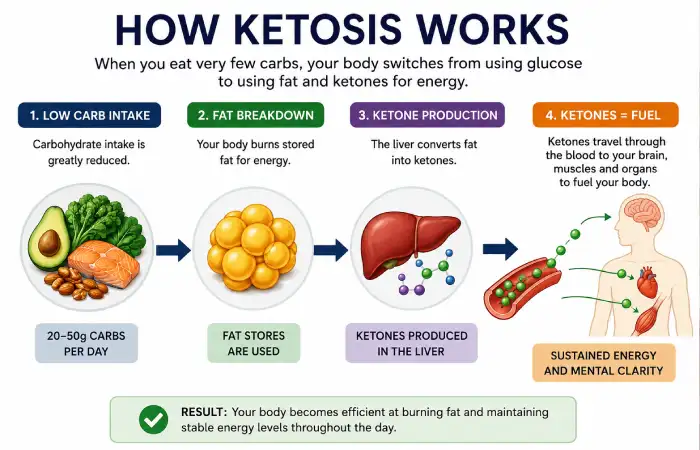
Carbohydrates are converted to glucose the major fuel used throughout the body. A very low intake of carbohydrates is typically followed by fall in insulin levels and a rapid breakdown of fat store in the body. The liver synthesizes some of the resulting fatty acids into ketones.
The three major ketone bodies are:
| Ketone | Basic role |
| Beta-hydroxybutyrate | Major circulating ketone used as fuel |
| Acetoacetate | Produced during ketone formation |
| Acetone | A smaller ketone that is partly exhaled |
The transition isn’t identical for everyone. Some people notice changes within several days, while adaptation can take longer.
When limiting carbohydrates for nutritional reasons, temporary symptoms like headaches, feeling drained and lethargic, constipation, and muscle aches, including fuzzy thinking, have often been documented. All of these symptoms combined can be termed the “keto flu.” It’s very important to remember that diabetic ketoacidosis (DKA) is an emergency that is extremely dangerous and distinct from nutritional ketosis.
The keto diet takes a very different approach to carbohydrates than the Mediterranean diet. While keto restricts carbohydrates heavily, the Mediterranean pattern includes whole grains, fruits, and legumes as part of an overall balanced eating pattern.
Foods to Eat and Avoid
The easiest way to follow keto is to build meals around whole or minimally processed foods.
| Eat more often | Limit or avoid |
| Eggs | Sugar and sweets |
| Fish and seafood | Sugary drinks |
| Chicken and meat | Bread and pastries |
| Leafy greens | Rice and pasta |
| Cauliflower and broccoli | Most refined grains |
| Avocado | Potatoes and other starchy foods |
| Nuts and seeds | Candy and desserts |
| Olive oil | Large portions of high-carb fruit |
| Unsweetened dairy | Highly processed keto snacks |
So if you choose to do keto in India you’d really need to plan your diet and your meals to avoid foods with carbohydrates because rice, roti, dosa, idli, legumes etc. Are all a part of staple diets of Indians. Alternatives to these can include things like cauliflower rice, vegetables low on carb content, eggs, fish, paneer etc. You can surely incorporate those for their high protein content, though if a large portion of your diet relies on protein it might be OK to indulge in the carbohydrates for the diet as needed for the sake of the keto principles.
As the same, to be able to comply with the stringent keto diet, you can add limited portion of grains like millet and dal etc, although it may contain very trace amounts of Carbohydrates – what need to be restricted – is the carb count per portion of the given food to 3 grams etc.
If you’re looking for an alternative eating pattern that emphasizes vegetables, fruits, whole grains, and other nutrient-rich foods, the DASH diet is another option worth exploring.
Benefits and Risks
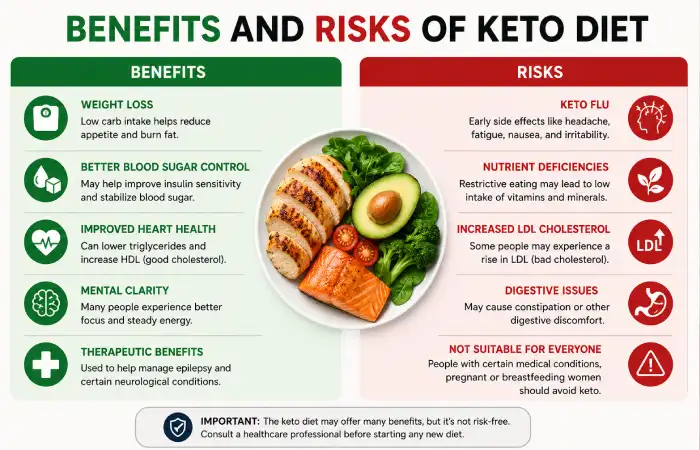
Keto has legitimate clinical uses and may produce useful short-term metabolic changes, but the evidence depends heavily on the outcome being studied.
Potential benefits include:
- Short-term weight loss
- Reduced appetite for some people
- Lower triglycerides
- Increased HDL-C
- Improved blood glucose in some people
- Therapeutic use for certain forms of drug-resistant epilepsy
Nonetheless keto shouldn’t be assumed a “one-size-fits-all” solution to losing weight or improving metabolism. A systematic review of keto-style eating plans prescribed for people with type 2 diabetes found they conferred no beneficial effects to weight or glycemic measures over comparison diets (while also bumping up HDL and bringing down triglyceides.) The side effects can also be quite unpleasant and include some real health concerns such as: constipation and headache; energy loss; muscle cramps; and an actual loss of nutrients; plus the impact on Cholesterol.
A 2026 danger you really want to be aware of is that of elevated LDL Cholesterol, The keto has been linked to an average rise in LDL-C as high as18 – 70 mg / dl in overweight adults within the studies.15 People withDiabetes must use even greater caution: The Diabetes Association suggests that persons who be taking an SGLT2 inhibitor should stay clear of the ketogenic diet strategy due to its risk of promoting 156 ketoacidosis.
Keto-type diet plans should definitely be eschewed by pregnant and nursing ladies, along with kids with diabetes; people with kidney conditions or past the need for disordered consume 6If you’ve take prescription drugs or have a medical condition, you would do nicely to talk to the health specialist well-regarded previously picking a demanding keto regimen.
Like keto, the Paleo approach places an emphasis on minimally processed foods, but the two diets differ considerably in their carbohydrate and food restrictions. Learn more about the Paleo diet to compare the approaches.
Common Keto Mistakes
Eating too much processed food
“Low carb” doesn’t automatically mean nutritious. Keto cookies, bars and packaged snacks can still be highly processed.
Treating fat as unlimited
Sure, keto is really high-fat. But calories still affect weight-loss. If you load your dish down with lots of butter, oil, cheese or cream, it may actually make it harder for you to lose weight.
Ignoring vegetables and fiber
By eliminating grains and many fruits, it’s easy to drastically reduce fiber. Use starchy vegetables, seeds and nuts, and appropriate fiber sources.
A vegetarian diet can provide another alternative for people who want to reduce or eliminate meat while still including foods such as vegetables, fruits, grains, legumes, and, depending on the variation, eggs or dairy.
Not monitoring how your body responds
Once you’ve been keto for a couple of months, consider speaking with your healthcare provider regarding health-specific markers that’re appropriate for you, especially if cardiovascular disease (CVD) or a history of other metabolic risk factors present.
Expecting instant results
Early scale changes can partly reflect changes in glycogen and water, not just body-fat loss. Focus on longer-term trends rather than judging the diet from the first few days.
Using keto without a clear goal
Ask why you’re doing keto. Weight management, blood-sugar management and therapeutic applications have different considerations. Your goal should determine how restrictive the approach needs to be.
People who want to follow a completely plant-based eating pattern may prefer a vegan diet, which excludes meat, dairy, eggs, and other animal-derived foods.
FAQs
How many carbs can you have on keto?
Generally around 20-50g carbs are required daily on a standard keto diet however this may differ with different variations of the diet, and is required simply to stay in a state of ketosis.
How long does it take to enter ketosis?
Although some people can enter ketosis within a matter of days after greatly restricting their carbs, this does vary from person to person, according to carbs consumed, and activity levels etc.
Does keto help lose weight?
Certainly for those who are overweight keto has produced and is producing some dramatic and almost miraculous weight loss, at least to some degree for quite a length of time in many instances.
This will only continue in the long term where the strict keto dietetic pattern is followed in conjunction with actual consistent total food intake; along with some focus on the diet that quality food and sustenance be utilized and sustained at an affordable ongoing level.
Is keto safe for everyone?
No. SGLT2 inhibitors and many other individuals should not follow a keto diet, or should only ever follow it with medical guidance.
Can I have fruit on keto?
Certain lower carbohydrate fruit may be available to eat on some keto diets however portion control needs to be maintained. Higher carbohydrate fruit may be difficult to consume without exceeding one’s carb limit.
Do I need to take keto supplements?
No. It’s shouldn’t be necessary to take keto supplements to enter ketosis, although they may not cause harm. Food should be seen as the main priority regarding nutrients, and supplements should be discussed with a medical professional.
Keto Diet Troubleshooting
Tired?
Before you start supplementing, reconsider your hydration, diet, sleep patterns and electrolyte levels.
Tired and thirsty?
Eat more low-carb vegetables and fiber and keep drinking!
Blocked?
Eat more low-carbohydrate vegetables and fiber and drink plenty!
No weight loss?
Examine your portion sizes, snacks, liquid calories and food intake.
Increased LDL cholesterol?
That increase in “bad” cholesterol shouldn’t be dismissed immediately, talk with your doctor to assess your results and overall cardiovascular risk profile.
Hard to stick with keto?
A more relaxed lower-carb approach might be a better fit for you in the long run.
The best diet for you will always be the one that will both sustain your nutritional needs and you’ll consistently be able to practice.
Bottom Line
Your keto-Diet is unlikely the Magic Cure: Best keto diet plan. Your keto diet plan guide shouldn’t present to you to begin losing fats like nothing, and it shouldn’t suggest to you for keto, it is beneficial for you since each and every individual could be a subject, and then we may additionally see that the Keto is valuable and beneficial in a specific environment. That suggests Keto’s advantages, it can deliver questions regarding lipid-response as well as a deficiency of nutrients also as its sustainability.
“As for newcomers the better route forward is to focus on a whole, minimally-processed diet; cut carbs to reasonably modest levels if chasing ketosis; ensure lots of veggies; look after yourself – and let your GP’ – if you have a health condition or take medicines.”
Afiya Jafar is a fitness and wellness writer who focuses on making health, exercise, and healthy lifestyle information simple and practical. Her work covers workouts, fitness motivation, strength training, nutrition, weight management, stress management, mindfulness, and everyday wellness.
Read Full Bio of Afiya Jafar →
Sameena Begum reviews selected health, wellness, fitness, and digital content for clarity, factual presentation, consistency, and reader usefulness. Her review work helps maintain clear and responsible editorial standards across PhysicalFitt content.
Read Full Bio of Sameena Begum →
Dr. Khizrana Begum is a qualified medical professional with MBBS and MD qualifications and 5+ years of experience in the medical field. She works as a General Physician and Dermatologist, with expertise in general medicine, dermatology, preventive healthcare, and skin health.
Read Full Bio of Dr. Khizrana Begum →