
 Afiya Jafar
Fitness & Wellness Writer
Afiya Jafar is a fitness and wellness writer who focuses on making health, exercise, and healthy lifestyle information simple and practical.
Read Full Bio of Author →
Afiya Jafar
Fitness & Wellness Writer
Afiya Jafar is a fitness and wellness writer who focuses on making health, exercise, and healthy lifestyle information simple and practical.
Read Full Bio of Author →
 Sameena Begum
Health, Fitness & Digital Content Reviewer
Sameena reviews selected health, wellness, fitness, and digital content for clarity, factual presentation, and reader usefulness.
Read Full Bio of Reviewer →
Sameena Begum
Health, Fitness & Digital Content Reviewer
Sameena reviews selected health, wellness, fitness, and digital content for clarity, factual presentation, and reader usefulness.
Read Full Bio of Reviewer →
 Dr. Khizrana Begum
General Physician & Dermatologist
Dr. Khizrana Begum is a General Physician and Dermatologist with MBBS and MD qualifications and 5+ years of experience in the medical field.
Read Full Bio of Medical Reviewer →
Dr. Khizrana Begum
General Physician & Dermatologist
Dr. Khizrana Begum is a General Physician and Dermatologist with MBBS and MD qualifications and 5+ years of experience in the medical field.
Read Full Bio of Medical Reviewer →
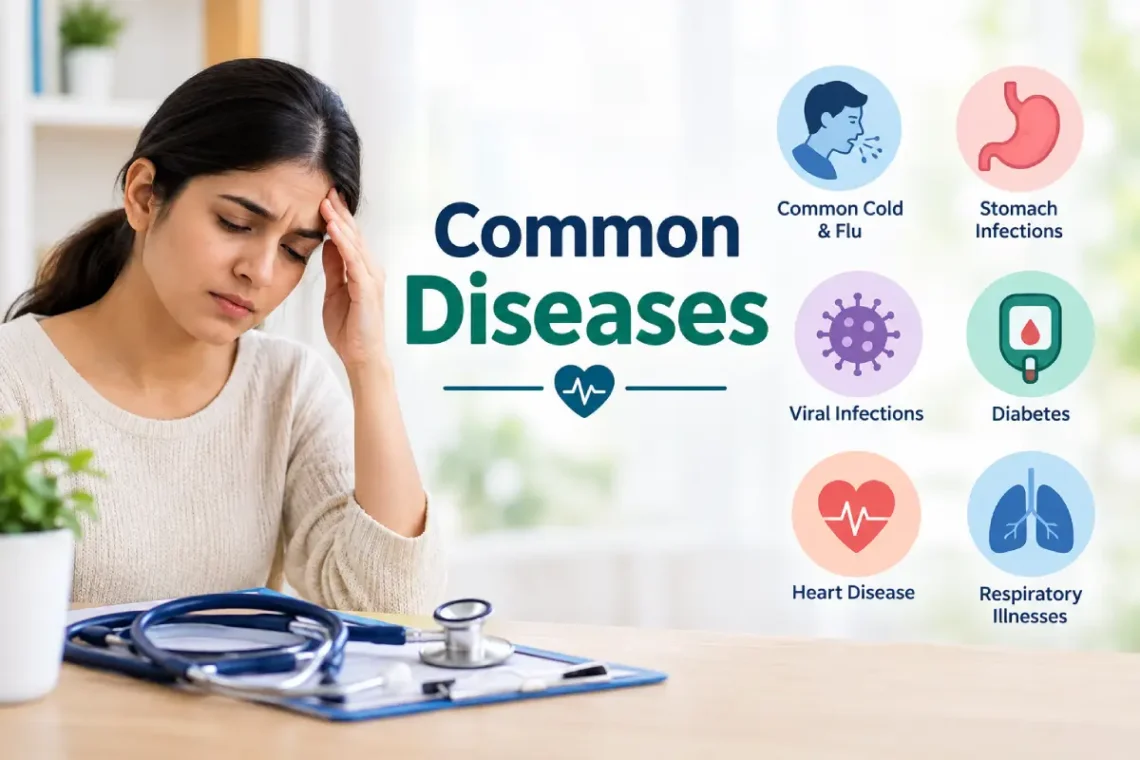
Diseases can affect everyone of any age and range from minor infections such as influenza and the cold right through to more chronic ones like high blood pressure, diabetes, and heart disease or asthma. Some diseases are carried and passed from person to person by disease-causing organism, while some are the result of numerous combination of factors including: genetic, the environment, lifestyle and biology.
Understanding different types of illnesses can help you recognize symptoms, risk factors, and prevention strategies. Learn more about common infectious diseases, including conditions caused by viruses, bacteria, parasites, and other infectious organisms.
Knowing about common diseases isn’t an excuse to diagnose illnesses based on symptoms alone – as various complaints may appear similar and as symptoms are not diagnostic they are insufficient proof to come up with an accurate illness description. Nevertheless awareness about disease types, typical symptoms, risk factors and ways in which health can be looked after and medical advice sought where appropriate can help you to make better choices regarding health.
Here’s a breakdown of types of diseases, how they affect you, what signs to look out for and differences between infectious and chronic diseases, and the daily changes people can be making to minimize health risks.
❝
This article is a part of
Health Conditions Hub
What Are Common Diseases?
Any disease means a state that compromises normal working of body or altering both the physical and mental health of a human being. Disease can affect practically any organ of the body and any body system like; lungs, heart, digestive tract, skin, brain, kidney, and endocrine system among others.
Diseases can roughly be categorized on a variety of criteria:
Infectious and Non-infectious Diseases
Diseases that is produced by the pathogenic microorganisms which may include: bacterium, virus, fungi or parasite among others. Infectious disease is categorized into those infectious disease can pass directly or indirectly from individual to individual, to those disease are contracted through consumption of contaminated food or water, insect vectors, animals, or environmental conditions.
Diseases affecting the lungs and airways are also common and can range from temporary infections to long-term conditions. Explore common respiratory diseases to learn about their symptoms, causes, and potential risk factors.
Examples include:
- Influenza
- Common cold
- Tuberculosis
- Malaria
- Dengue
- Measles
- Some gastrointestinal infections
Non-infectious diseases are not generally transmitted between people. They can arise from genetic factors, aging, environmental exposure, immune-system abnormalities and lifestyle-related factors.
Examples include:
- Diabetes
- Hypertension
- Heart disease
- Asthma
- Arthritis
- Many cancers
- Chronic kidney disease
Many chronic diseases are said to be multifactorial, which means many factors may be at play. Predispositions to develop genetic disorders often operate in conjunction with environmental and behavioural influences, rather than by themselves. The disease you may develop may be multifactorial with a degree of influence on many, rather than the one main factor.
You may have predispositions toward development of disease.
However, many of these will only ever be expressed if trigger mechanisms occur either environmentally or behaviourally.
Acute and chronic diseases
Most acute disease states are rapid in onset and short in duration e.g. Colds, flu, food poison. However other conditions are defined as chronic diseases, which is a relatively long term disease state or condition e.g.
Heart health is another important part of overall well-being. Understanding common heart diseases can help you learn about cardiovascular conditions, warning signs, risk factors, and ways to support better heart health.
Diabetes, hypertension, asthma, many cardiovascular diseases.
This distinction is generally useful, but some diseases do not clearly fit into one or the other category, e.g. An acute condition may eventually become chronic, or alternatively acute attacks or exacerbations of the chronic condition are possible.
Common Infectious Diseases
Infectious diseases can be contracted from an organism that is able to invade or interact with the human body. Bacteria, viruses, fungi, parasites.
The routes of infection vary, some infections can spread through the production of droplets, or aerosols, others through eating contaminated food or water. Some infections can be sexually transmitted; by contact with blood, by animals, by insect vectors.
Common viral infections
Viruses cause many familiar illnesses, including:
- Common cold
- Influenza
- COVID-19
- Measles
- Some forms of viral gastroenteritis
- Dengue
Symptoms vary widely. Typically respiratory viruses include symptoms such as a cough, sore throat, runny nose or fever and lethargy. Some viruses could present a rash, or digestive symptoms or ‘flu like symptoms’.Symptoms can differ widely. Upper respiratory viruses can be associated with a cough, sore throat, or runny nose and possible fever or feeling tired. While some other viral infections could present as a rash, affect your digestion or cause more general sickness.
Problems involving the stomach, intestines, liver, and other parts of the digestive system can affect people of all ages. Learn about common digestive diseases and the symptoms and risk factors associated with these conditions.
Viral infections are unable to be treated using antibiotics. Non-necessary use of antibiotics can fuel antibiotic resistance. Treatment will differ based on what viral infection it is and your personal circumstance.
Common bacterial diseases
Bacteria can cause illnesses ranging from relatively mild infections to serious systemic disease.
Examples include:
- Tuberculosis
- Certain bacterial pneumonias
- Some urinary tract infections
- Typhoid fever
- Bacterial skin infections
TB most often affects the lungs. Persistent cough, chest symptoms, fever, night sweats and unexplained weight loss can occur, although symptoms vary.
Malaria
Malaria’s a parasite disease which has man as its victim, it’s transmitted from person to person by a female anopheles mosquito carrying the parasite and does not typically occur through direct transfer.WHO figures from 2004 show 282 million cases globally & >610 thousand deaths the highest proportion of which occurs in WHO African region.
Some conditions affect the way the body processes and uses energy, nutrients, and hormones. Explore common metabolic diseases to better understand conditions such as diabetes, metabolic syndrome, and other metabolic disorders.
Common symptoms include:
- Fever
- Chills
- Headache
- Sweating
- Weakness
- Nausea
Severe malaria can cause confusion, seizures, breathing difficulty and other life-threatening complications.
Dengue
Dengue is a mosquito-borne viral infection. It is particularly important in tropical and subtropical regions.
Typical symptoms may include:
- High fever
- Headache
- Muscle or joint pain
- Nausea
- Rash
- Marked fatigue
How infectious diseases spread
Depending on the disease, infection can occur through:
- Respiratory droplets or airborne particles.
- Contaminated food or water.
- Insect bites.
- Blood exposure.
- Sexual contact.
- Contact with infected animals.
- Contaminated surfaces or objects in some circumstances.
Because transmission differs between diseases, prevention should be disease-specific.
Common Chronic Diseases
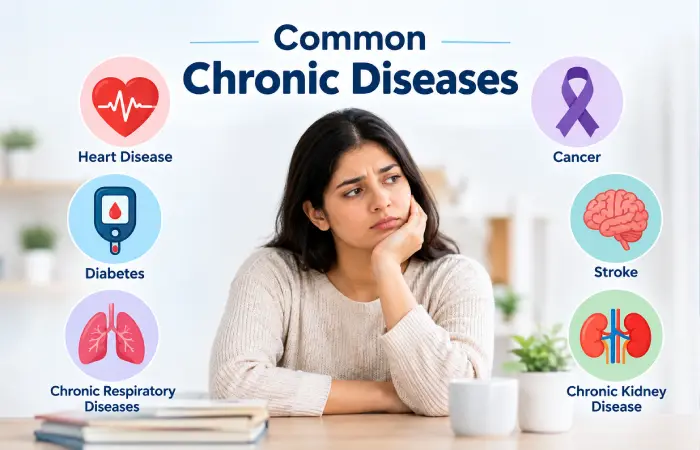
Chronic diseases are long-term health conditions that may require continuing management.
Hypertension
The definition of hypertension (high blood pressure) is raised BP over time. The important consideration to remember often is that the symptoms of hypertension are really very non-specific; the patient themselves feels well, however the cardiovascular and renal risk will be raised.
Risk factors can include:
- Family history
- Increasing age
- Excess dietary sodium
- Physical inactivity
- Overweight or obesity
- Tobacco use
- Excessive alcohol consumption
- Certain medical conditions and medications
Regular blood-pressure measurement is therefore important, particularly for people with risk factors.
Diabetes
Diabetes is a chronic metabolic disease involving elevated blood glucose.
Children can experience illnesses that differ from those commonly seen in adults. Our guide to common diseases in children covers common childhood conditions, symptoms, risk factors, prevention, and when medical attention may be needed.
Possible symptoms include:
- Increased thirst
- Frequent urination
- Increased hunger
- Fatigue
- Blurred vision
- Slow-healing wounds
- Unexplained weight changes
Some people, particularly in earlier stages, may have few or no obvious symptoms.
Heart disease
Coronary heart disease is the biggest killer; ‘there are many types of diseases that affect the heart and circulation, including:’ ‘coronary heart disease is a narrowing of the coronary arteries that deliver blood to the heart-other disorders include heart failure, irregularities in heart rhythm or valve diseases of the heart’.
Cancer
Cancer is not one single disease. It is a large group of diseases involving abnormal cell growth.
Cancer can affect almost any tissue or organ. Risk varies by cancer type and may involve:
- Age
- Genetic factors
- Tobacco exposure
- Alcohol
- Certain infections
- Environmental exposures
- Excess body weight
- Ultraviolet radiation
- Other biological and lifestyle factors
Common Respiratory Diseases
Respiratory diseases affect the nose, throat, airways and lungs.
Common examples include:
- Common cold
- Influenza
- Asthma
- Pneumonia
- Chronic obstructive pulmonary disease (COPD)
- Tuberculosis
Asthma
Asthma is a chronic condition involving inflammation and narrowing of the airways.
Symptoms can include:
- Wheezing
- Coughing
- Chest tightness
- Shortness of breath
Triggers vary from one person to the other; triggers may include allergens, respiratory infections, smoke, pollution, exercise, cold air, various exposures.
Asthma can be successfully managed in most individuals with appropriate treatment plan. A deteriorating shortness of breath needs an emergency assessment.
COPD
Chronic Obstructive Pulmonary Disease: COPD is a chronic disease that restricts the ability to breathe.
Risk factors include a history of smoking, although other exposures and genetics are thought to play a role in COPD.
Symptoms may include:
- Persistent cough
- Mucus production
- Breathlessness
- Reduced exercise tolerance
- Recurrent respiratory infections
Stopping tobacco exposure is one of the most important steps for people who smoke.
Pneumonia
Pneumonia is an infection or inflammatory condition affecting the lungs. Different infectious organisms can cause it, including bacteria and viruses.
Symptoms may include:
- Cough
- Fever
- Chills
- Chest discomfort
- Fatigue
- Difficulty breathing
Older adults, young children and people with certain chronic illnesses may have a higher risk of serious complications.
Common Heart and Cardiovascular Diseases
Cardiovascular diseases affect the heart and blood vessels.
Major examples include:
- Hypertension
- Coronary artery disease
- Heart attack
- Stroke
- Heart failure
- Some heart rhythm disorders
One of the challenges with cardiovascular disease is that significant risk can exist before obvious symptoms appear.
Heart attack warning signs
Possible warning signs include:
- Pressure, squeezing or discomfort in the chest
- Pain spreading to the arm, shoulder, back, neck or jaw
- Shortness of breath
- Cold sweating
- Nausea
- Sudden weakness or unusual fatigue
Symptoms can vary, especially among women, older adults and people with diabetes.
Stroke warning signs
Stroke symptoms can appear suddenly.
Remember the FAST approach:
- F — Face: one side of the face may droop.
- A — Arms: one arm may become weak or numb.
- S — Speech: speech may become unclear or difficult.
- T — Time: seek emergency medical help immediately.
Stroke is a medical emergency. Do not wait to see whether symptoms improve.
Common Digestive Diseases
The system is the following system together the mouth, esophagus, stomach, intestines, live, gall bladderand pancreas.
Common digestive conditions include:
- Acid reflux and GERD
- Gastritis
- Constipation
- Diarrhea
- Irritable bowel syndrome
- Gastrointestinal infections
- Gallstones
- Some inflammatory bowel diseases
GERD
Gastroesophageal reflux disease occurs when stomach contents repeatedly flow back into the esophagus.
Typical symptoms include:
- Heartburn
- Acid or food coming back into the throat
- Chest or upper abdominal discomfort
- Symptoms that become worse after meals or when lying down
Constipation
Constipation can involve infrequent bowel movements, hard stools, straining or a sensation of incomplete evacuation.
Common contributors include:
- Low dietary fiber
- Inadequate fluid intake
- Low physical activity
- Certain medications
- Changes in routine
- Some underlying medical conditions
Sudden severe abdominal pain, vomiting, blood in the stool or major changes in bowel habits warrant medical assessment.
Diarrhea
Diarrhea can occur due to infections, intolerances, drugs, inflammatory conditions and other things.
Short term it can be concerning for dehydration.
A healthcare professional should be seen for severe or long lasting, bloody, very dehydrated, or at risk, diarrhea.
Common Metabolic Diseases
Metabolic diseases affect how the body processes energy, nutrients or hormones.
Important examples include:
- Diabetes
- Obesity
- Dyslipidemia
- Metabolic syndrome
- Certain thyroid disorders
Metabolic health can be influenced by genes, age, diet, physical activity levels, sleep, drugs and hormones.
Diabetes, obesity and cardiovascular risk
These conditions frequently overlap. Excess body weight can increase the likelihood of insulin resistance and other metabolic abnormalities, while diabetes and abnormal blood lipids can increase cardiovascular risk.
Common Skin Diseases
Skin conditions are extremely common and can have infectious, inflammatory, allergic, autoimmune, hormonal or genetic causes.
Examples include:
- Acne
- Eczema
- Contact dermatitis
- Fungal infections
- Psoriasis
- Hives
- Warts
Acne
Acne can occur when hair follicles become blocked and inflamed.
It may involve:
- Blackheads
- Whiteheads
- Pimples
- Nodules or cysts in more severe cases
Eczema and dermatitis
Dermatitis refers to inflammation of the skin.
Symptoms may include:
- Itching
- Dryness
- Redness
- Scaling
- Cracking
- Swelling
What triggers them can vary from person to person; fragrances, soaps, detergents, known triggers, airborne particles or even an individual’s environment can cause a number of forms.
Fungal skin infections
Causes variable looking itchy or ring-shaped scaly rashese depending on which fungi is responsible. Various partsof the body may be affected and again, since different fungal infections can resemble one another, recurring and persistent rashes should be looked at professionally.
Common Neurological Diseases
Neurological conditions affect the brain, spinal cord or nerves.
Common or frequently encountered conditions include:
- Migraine
- Epilepsy
- Dementia
- Parkinson’s disease
- Peripheral neuropathy
- Some nerve-compression disorders
Migraine
Migraine is more than an ordinary headache. Attacks can include:
- Moderate to severe headache
- Sensitivity to light or sound
- Nausea
- Vomiting
- Visual or sensory changes in some people
Triggers vary. Sleep disruption, stress, hormonal changes, certain foods and other factors may play a role.
Dementia
Dementia refers to progressive brain disorders that cause loss of memory, thought, or other mental capacities and have a damaging impact on a person’s daily life.
One of the main forms of dementia is that known as Alzheimer’s disease.
Even “normal” ageing should not cause people to ignore severe loss of memory or significant alterations in thinking processes. Any new or worsening cognitive problems should be investigated as sometimes the causes are treatable.
Common Diseases in Children
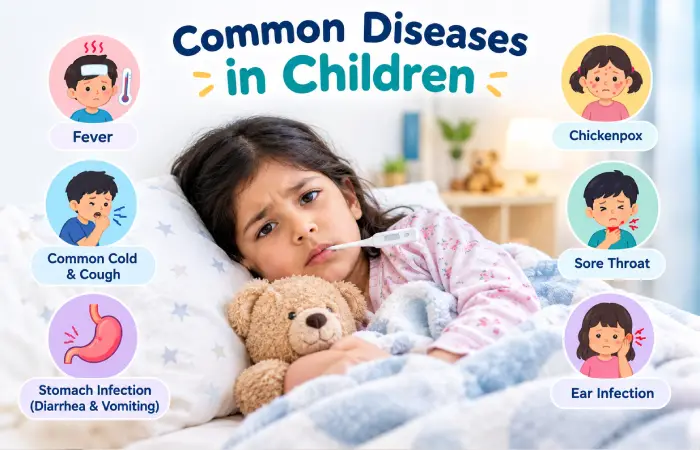
Most common children’s diseases resemble children’s in most diseases. Symptoms of children’s diseases, risk factors and treatment measures are varied.
What diseases are children prone to?
1. Respiral track diseases;
2. Allergy problems;
3. Diarrhea, dysentery etc;
4. Outer ear canal infections.
5. Children’s skin infections;
6. The diseases for children with vaccine is Measles, Rubella
Vaccination is one of the best methods in order to help preventing quite many dangerous communicable diseases. Preventative care must observe to the vaccination timetable appropriate for a given locality and for a specific family of the child.
These especially deserve attention, especially from parents and caregivers:
- Constant, or high temperature
- Trouble breathing
- Signs of extreme dehydration
- Becoming unusual sluggish or unresponsive
- Seizures
- A noticeable rash together with concerning features
- Frequent vomiting
- A sudden behavioral or neurological changes
Infants and babies can get sicker fast. Symptoms like these should be evaluated without delay.
Common Diseases in Adults
Adults may experience both acute infections and chronic diseases.
Frequently encountered conditions include:
- Hypertension
- Diabetes
- Heart disease
- Respiratory disease
- Arthritis
- Digestive disorders
- Skin conditions
- Mental health conditions
- Certain cancers
- Kidney disease
Although many chronic diseases are linked to a rising risk as you get older, chronic disease isn’t just a problem of older people.
Important components can include:
- Blood-pressure monitoring
- Appropriate blood glucose testing
- Cholesterol assessment when indicated
- Cancer screening appropriate to age and risk
- Vaccination
- Dental care
- Eye care
- Mental health support
- Healthy nutrition and physical activity
Disease Symptoms, Causes, and Risk Factors
The symptoms are warnings which your body sends us to indicate that it may not be okay, but these are not pathognomonic to a disease.
For instance fatigue symptoms can manifest in disorders like sleep deprivation, infection, anemia, thyroid disease, diabetes, depression etc.
Similarly cough symptoms can manifest in common cold, asthma, pneumonia, TB, allergy, reflux etc.
Common symptoms that should not be ignored
With varying severity and persistence, it is possible the “alarm signs” will be the important symptoms as:
- Intermittent fever
- Unexplained loss of weight
- Constant cough
- Chest pain
- Breathlessness
- Haematemasis,
- Vomiting,
- Rectal,
- Renal or urine 2nd line investigation
- Severe abdominal pain
- Constant vomiting
- Recurrent black-outs
- New neurological deficits
- Large degree of swelling
- Sudden loss of sight
- New or altered mole
- Unexplained fatigue
Common disease risk factors
Risk factors differ depending on the individual disease. However they are also classifiable into the following groups:
Genetic risk: Individual inheritance for certain diseases may predispose an individual for some types of illnesses.
Age: Age increases the probability of most chronic diseases.
Lifestyle: Many diseases can be predisposed by smoking habits, low physical activity levels, inappropriate food preferences and high intake of alcohol.
Environment: Air contamination, jobs, water quality and Sanitation may impact on health.
Infections: Infections directly lead to disease or predispose for them latter.
Social-economic Factors: Availability of healthy food, medical services, preventative measures and a hygienic surrounding can affect health.
Disease Prevention and Healthy Habits
It is important to realise that not all diseases can be prevented. Hereditary diseases, inevitable infection or some cancers is why preventive advice focuses more on reduced risk rather than providing assurances against all illnesses.
Nevertheless some things that an individual can do will reduce their risk, or improve their overall health status, against many common diseases.
Don’t use tobacco
A significant amount of CVD, chest, bowel diseases and some cancers can be attributed to exposure to tobacco.
If you use tobacco you would make one of the biggest health improvements if you managed to give up.
Exercise regularly
Regular physical exercise can maintain your cardio-vascular, metabolic fitness, muscle strength, overall well being. The amount you exercise depends on age, health status and current fitness.
Maintain an adequate diet
The current dietary recommendations indicate that a healthy food diet will typically comprise:
- Vegetables and fruits.
- Whole grain products
- Legumes and other dense nutrient sources.
- Nutritional protein intake.
- Beneficial fat intake.
- Fluid consumption as appropriate.
Limiting excessive salt intake and adding no sugar or food that has been through minimal processing may also improve aspects of your metabolic fitness and cardiovascular state.
Stay a weight that is suitable
It should be remembered that weight is just one factor regarding health. However too much fat in your body could put you at risk of conditions such as, as listed above diabetes, cardio vascular, sleep related respiratory disorders as part of a large list of possible diseases that are impacted on by the amount of fat in your body.
There are more ways to lose weight such as maintaining good habits instead of relying on an aggressive diet.
Get vaccinated if recommended
Vaccination will prevent you from gaining certain infectious diseases. Recommendations will vary depending on many various attributes.
Protect yourself against mosquitos
When disease carrying mosquito’s pose a threat through things such as, as it may not be obvious if you are being targeted you will be in a higher risk if you take inadequate protection which is why you should implement advice from public health officials, where diseases such as malaria.
Sleep enough
In terms of mood, concentration, your body’s metabolic system, cardiovascular performance the state of your health is a combination of where this has been lacking. Most Adults need around a constant 8 hrs.
Manage stresses you have
Chronic stress, for an individual can affect their own and family wellbeing, coping with these stresses through exercise, support from loved one’s, family members, counseling or different activities that might help are encouraged.
Attend regular screening sessions
Screening could identify possible health issues when these do not manifest symptoms that’s noticeable. The recommended tests will depend on your profile.
When to See a Healthcare Professional
You do not need to wait until symptoms become severe before seeking medical advice.
Consider arranging a medical evaluation when:
- A symptom persists longer than expected.
- Symptoms repeatedly return.
- A condition interferes with normal daily activities.
- You experience unexplained weight loss.
- You develop persistent fever.
- You notice a new lump or unexplained bleeding.
- You have ongoing digestive changes.
- You experience repeated headaches or neurological symptoms.
- You have risk factors for diabetes, hypertension or cardiovascular disease.
- A chronic condition appears to be getting worse.
Seek emergency care for serious warning signs
Some symptoms require urgent medical attention, including:
- Severe difficulty breathing
- Severe chest pain
- Signs of stroke
- Loss of consciousness
- Severe allergic reaction
- Seizure lasting unusually long or repeated seizures without recovery
- Severe bleeding
- Sudden severe neurological symptoms
- Severe dehydration
- Serious injury
Do not attempt to determine the exact diagnosis from an online article when an emergency may be occurring.
Frequently Asked Questions About Common Diseases
What are the most prevalent diseases?
A universal list does not exist, since occurrences vary by factors such as region, age, environmental factors, and also on how diseases are monitored. Most prevalent classes of diseases are cardiovascular, respiratory infection, digestive related, skin condition, diabetes, hypertension as well as musculoskeletal problem.
The are how many type of diseases?
Basic classification classifiesdiseases as Infectious diseases and non- Infectious diseases.
What are most prevalent infectious diseases?
Examples include common cold, tuberculosis, tuberculosis, dengue. Transmission method can vary based on type, hence a preventive plan also varries.
What are common chronic diseases?
Common Chronic diseases include cardiovascular disease, asthma and COPD.A disease cannot only be prevented to start, but to a decrease risks . Howeversome needs an entire life long managment.
What are most common signs of a disease?
General symptoms mayinclude an increase in appetite, fatigue, high fever, and headaches. Although it is also important to note that symptoms can be nonspecific and you should visit to healthcare provider to get proper advice .
Why is early detection so important?
In certain cases, the right plan early on and also prevention factors can help identify disorders early and less complications may occur for specific issues.
The success in such can depend to the diseases and also what screenings that are available for detection..
Key Takeaways
The list of common diseases can consist of acute conditions (temporary infections) as well as chronic conditions. Defining infectious as one form and non-infectious as another provides a useful entry point but the system is clearly more complex.
Up-to-date global statistics highlight both these themes and confirm both risk management and early intervention are paramount. Cardiovascular disease continues to be the number one cause of death worldwide, affecting hundreds of millions of people, diabetes also remains high with a number in the hundreds of millions, the infectious threat of TB causes continued high levels of mortality, while malaria continues to infect hundreds of millions each year.
The purpose of becoming acquainted with these common diseases is not for you to diagnose yourself; it is about having knowledge, about risk factors, the rudiments of prevention, recognizing signs that indicate a potentially significant underlying problem and knowing where to obtain expert care.
Afiya Jafar is a fitness and wellness writer who focuses on making health, exercise, and healthy lifestyle information simple and practical. Her work covers workouts, fitness motivation, strength training, nutrition, weight management, stress management, mindfulness, and everyday wellness.
Read Full Bio of Afiya Jafar →
Sameena Begum reviews selected health, wellness, fitness, and digital content for clarity, factual presentation, consistency, and reader usefulness. Her review work helps maintain clear and responsible editorial standards across PhysicalFitt content.
Read Full Bio of Sameena Begum →
Dr. Khizrana Begum is a qualified medical professional with MBBS and MD qualifications and 5+ years of experience in the medical field. She works as a General Physician and Dermatologist, with expertise in general medicine, dermatology, preventive healthcare, and skin health.
Read Full Bio of Dr. Khizrana Begum →