
 Afiya Jafar
Fitness & Wellness Writer
Afiya Jafar is a fitness and wellness writer who focuses on making health, exercise, and healthy lifestyle information simple and practical.
Read Full Bio of Author →
Afiya Jafar
Fitness & Wellness Writer
Afiya Jafar is a fitness and wellness writer who focuses on making health, exercise, and healthy lifestyle information simple and practical.
Read Full Bio of Author →
 Sameena Begum
Health, Fitness & Digital Content Reviewer
Sameena reviews selected health, wellness, fitness, and digital content for clarity, factual presentation, and reader usefulness.
Read Full Bio of Reviewer →
Sameena Begum
Health, Fitness & Digital Content Reviewer
Sameena reviews selected health, wellness, fitness, and digital content for clarity, factual presentation, and reader usefulness.
Read Full Bio of Reviewer →
 Dr. Khizrana Begum
General Physician & Dermatologist
Dr. Khizrana Begum is a General Physician and Dermatologist with MBBS and MD qualifications and 5+ years of experience in the medical field.
Read Full Bio of Medical Reviewer →
Dr. Khizrana Begum
General Physician & Dermatologist
Dr. Khizrana Begum is a General Physician and Dermatologist with MBBS and MD qualifications and 5+ years of experience in the medical field.
Read Full Bio of Medical Reviewer →
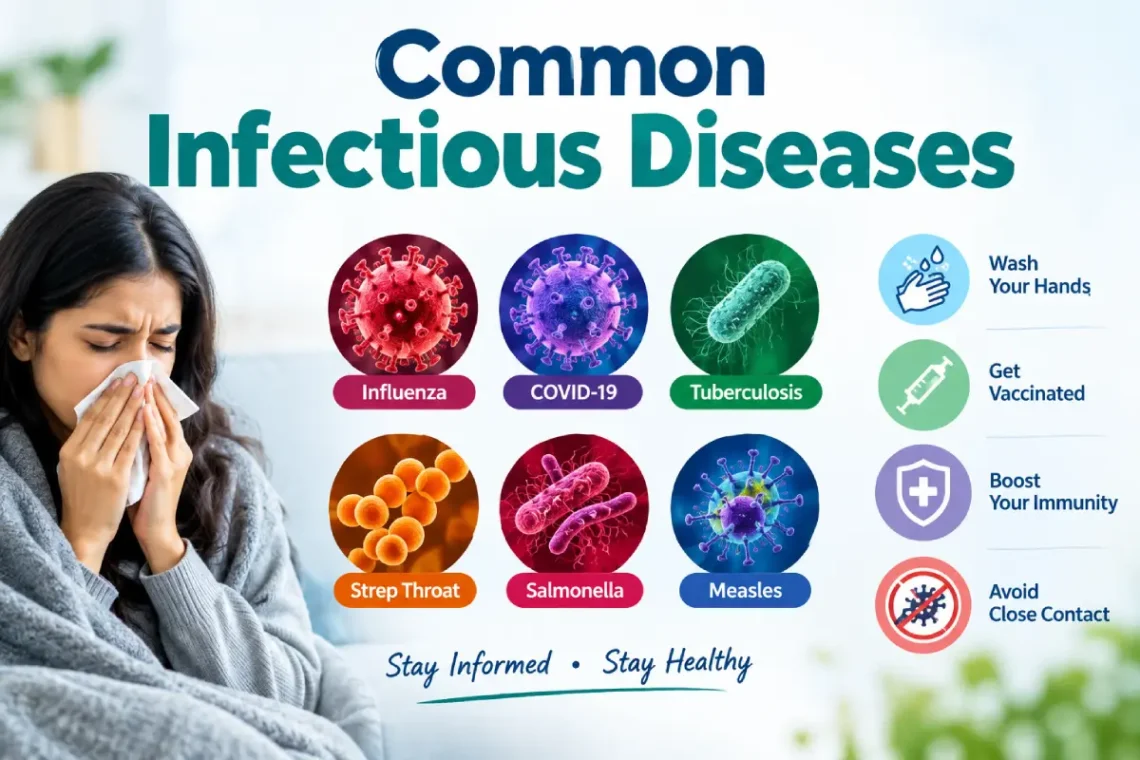
This document provides advice on those common human infectious diseases; they are diseases such as infections that occur because you are exposed to microorganisms like a virus, bacterium, fungus or parasite.
These infections can manifest and damage almost any part of the body and can transmitted through airborne respiratory particles, direct contact or objects that we use in daily life like touching contaminated articles, food and drinks consumed or through bites of insect or transmitted sexually and many other reasons.
Infectious diseases are one important group of health conditions, but they are only part of the broader range of illnesses that can affect the body. Explore our guide to common diseases to learn more about different conditions, their symptoms, causes, risk factors, and prevention.
There may be few infection are simple that they resolve themselves without any need of medical intervention however there may be some infections so severe that they can be quite fatal to man. To diminish chances to gain an infection and transmission, awareness is essential for people to be conscious regarding to transmission of diseases and recognize indicators as and when it arises.
❝
This article is a part of
Health Conditions Hub
What Are Infectious Diseases?
An infectious disease is any that has its origin within the body with any particular organisms that then multiply or produce substances in the body and cause illness, there are four categories which include: bacteria, viruses, fungi and parasites
Some examples include:
- Bacterial infections are common such asstrep throat, UTIs and tuberculosis
- Viral infections such as cold, flu, Covid-19 and hepatitis
- Fungal infections such as ringworm, thrush, fungal infection of the nails etc
- Parasitic infections include malaria, giardia and both intestinal worms
Some infectious diseases are directly contagious from person to person although they can be from other avenues too such as water, food animals and insect vectors.
Some infectious illnesses primarily affect the lungs and airways, including conditions that spread through respiratory particles. Learn more about common respiratory diseases and how they can affect the respiratory system.
How Infectious Diseases Spread
The route of transmission depends on the microorganism and the disease. Common routes include:
| Examples | Transmission route |
| Influenza, COVID-19, common cold | Respiratory spread |
| Some skin and respiratory infections | Direct contact |
| Salmonella, giardiasis | Contaminated food or water |
| Malaria and other vector-borne infections | Insect bites |
| Some sexually transmitted infections | Sexual contact |
| Certain respiratory and gastrointestinal infections | Contaminated surfaces or objects |
| Rabies and some zoonotic infections | Animal bites or contact |
Infectious agents are also transferable indirectly through contact of hands, first with a contaminated object and then subsequently with own mouth, nose and/or eyes.
Common Bacterial Infections
While infections can sometimes affect the cardiovascular system, heart conditions can also develop from other causes and may require ongoing management. Read about common heart diseases to understand their symptoms, risk factors, and warning signs.
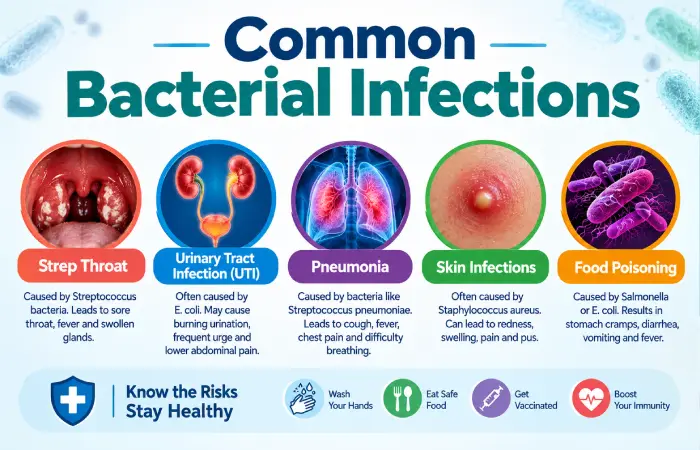
Bacteria are single-celled organisms, and some species can cause disease. Common bacterial infections include:
- Strep throat
- Urinary tract infections
- Tuberculosis
- Salmonella infections
- Some cases of pneumonia
- Certain sexually transmitted infections
There is a treatment for every different infection. If there are suitable bacterial infections there are also specific bacteria which can be targeted using antibiotics, viral infections cannot. Antibiotics can become resistant due to overuse.
Common Viral Infections
Frequencies of viral infections: Viruses are genetic materials which will necessitate live cells in order to multiply. The frequencies of common viral infection include the following;
- Common cold
- Influenza
- COVID-19
- Respiratory syncytial virus (RSV)
- Viral hepatitis
- Human papilloma virus ( HPV)
While most viral infections clear up after a time of supportive treatment, antiviral medications are on the market for some of the diseases they cause.
Common Fungal Infections
These can include cases of overgrowth or infections when fungi are inside the body in locations where they would normally not occur. Here are some prevalent examples:
- Ringworm
- Athletes Foot
- Fungal Nail Infections
- Oral thrush
- Yeast Infections
Fungi can infect the skin, nails, mouth, or even an inner body organ or internal system and treatments often include oral or topical antifungal treatments depending on the infection and the extent of the fungi.
Common Parasitic Infections
Parasites grow on or inside a host, and are nourished by the host. The most frequent types of infection by parasites are:
- Malaria
- Giardiasis
- Hookworm
- Pinworm
- Toxoplasmosis
The manner in which the parasite is transmitted ranges from insects spreading it, to through contaminated water or food, through contact with material infected with it or through contaminated soil.
TB: WHO calculated 10.7 million cases in 2014 and said that around 1.23 million deaths occurred related to TB.
Some infectious organisms can affect the digestive system through contaminated food or water. You can also learn more about common digestive diseases, including conditions that affect the stomach, intestines, and other parts of the digestive system.
These figures are informative, but are no absoluterankingof ‘most common’ infections worldwide, given that methods of surveillance, reporting and the definition of a disease varies among health systems.
Symptoms and Warning Signs
Symptoms differ significantly based on the type of organism involved and the area of the body it infects. Frequent symptoms may include:
- Fever
- Lethargy (tiredness)
- Coughing
- Sore throat
- Muscle ache
- Diarrhea
- Headache
- Rash
- Reduced appetite
- Specific area(s) of pain and/or swelling
Some infections causes no signs or symptoms at all; others result in a more severe form of illness.
Go to hospital immediately if signs of the illness that might indicate serious symptoms, such as the development of shortness of breath, a sudden severe headache and fever, unexplained persistent high fever, an acute rash, any sudden visual changes, or a rapid deterioration, occur.
Diagnosis and Testing
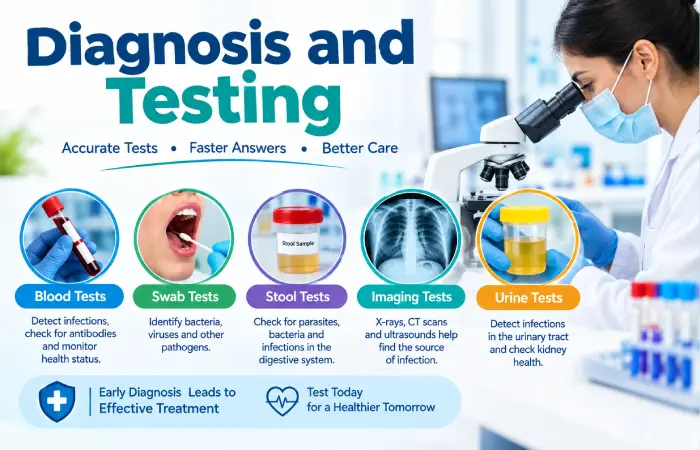
When considering whether a person need’s to be tested Healthcare professionals would generally examine any symptoms, the patients history, have a physical examination and evaluate the patient for exposure, before making a diagnosis as to if there will be any need for testing.
Not all health conditions are caused by infections. Metabolic disorders can affect how the body processes energy, nutrients, and other essential substances. Explore common metabolic diseases to learn about their causes, symptoms, and risk factors.
The type of testing for a possible infection will vary depending on what the specific illness might be:
* Blood test.
* Urine test.
* Swabs of throat or other sites.
* Stool test.
* Sputum test.
* X-Ray or other imaging.
* Specific lab tests.
Tests are crucial in allowing the health professional to diagnose the organism responsible for causing the illness, which in turn allows the health care professional to decide the best method of treatment. For instance a person having a bacterial or viral infection can often affect whether or not you would be prescribed antibiotics for example when really you do not need to have an antibiotic for a viral infection.
Treatment and Management
Treatment depends on the infectious organism, severity of illness and individual circumstances.
| Infection type | Possible treatment approach |
| Bacterial | Antibiotics when clinically appropriate |
| Viral | Supportive care and antivirals for selected infections |
| Fungal | Topical, oral or intravenous antifungals depending on severity |
| Parasitic | Appropriate antiparasitic medicines |
The course of every infection doesn’t necessarily involve a prescription. Mild infections can pass over without any treatment, and can just resolve as your immune system attacks the microbe. Severe infections may require treatment by an specialist, or hospital stay.
Infectious diseases can affect people of any age, but some infections and illnesses are particularly important to understand during childhood. Learn more about common diseases in children, including common symptoms, prevention strategies, and when medical care may be necessary.
Do not take forgotten antibiotics in a course of previous antibiotics, or use antibiotics if your doctor suspects you may have a virus.
Prevention and Infection Control
By following simple practical procedures many diseases, that are preventable, can be limited:
- Regular washing hands with water and soap.
- Having received regular vaccination.
- Ensuring appropriate food and water safety.
- Limiting exposure to persons showing symptoms of contagious illness as appropriate.
- Covering mouth and nose during sneezing and coughing.
- Proper treatment and coverage of wounds.
- Using relevant protection from mosquitoes and other insects which can carry diseases.
- Practicing safer sex.
Following public health recommendations and guidance from healthcare providers during epidemic.
Hand washing and vaccination being key in the prevention of many infectious diseases.
Which Situations Are Necessary To Consult a Doctor?
Professional advice for medical assistance is required if symptoms are particularly severe or prolonged/new/developing. Especially needed when experiencing breathing problems, enduring fever, having a very high headache with fever, developing unusual rashes, when vision changes, when significantly exposed to something like animal bite.
Patients with immune deficiencies, very young children, the elderly, and those other patients who belong to the higher risk group might be in need of an earlier medical assessment.
Frequently Asked Questions
Infectious disease, What are four common kinds:
four common categories are: bacterial infection, virus infection, fungus infection and parastie infection.
What are common types of infectious disease?
Each population has different “common” types of infectious diseases based on age group, definition of disease, surveillance methods and place; commonly include respiration infection, gastrointestinal disease or several kinds of infection of skin.
How can patients be treated?
Most of disease can be effectively treated and managed depending on kinds. Antiotics, antiviral drug, antifungal medication, antiparasitic medication or good supportive therapy are most treatments.
Do antibiotic effect to virus infection?
It has no effect to virus infection such as cold or influenza. Antibiotics can only kill bacterium infection.
How to keep away from infectious disease?
It can be decreased to be infected by people using vaccine or suitable hand washing, sanitation, safe food and water supply, effective insect proof as well as good respiratory sanitation practice to control transmission.
Is the patient to be no symptoms of the Infectious diseases?
Sure it does. Infectious diseases may make mild symptoms or no symptom, because the patient may do not know he/she had infected.
Key Takeaway
Milder contagious diseases such as colds up to more severe conditions, like malaria and tuberculosis are all everyday examples of infectious diseases. Learning more about transmitting these diseases, knowing which signs & symptoms, or tests or prevention we can make better health choices.
Instead of giving yourself a prognosis when feeling sick or worried about signs & symptoms, you might want to seek a healthcare professionals opinion for severe and long lasting indications of these illnesses.
Afiya Jafar is a fitness and wellness writer who focuses on making health, exercise, and healthy lifestyle information simple and practical. Her work covers workouts, fitness motivation, strength training, nutrition, weight management, stress management, mindfulness, and everyday wellness.
Read Full Bio of Afiya Jafar →
Sameena Begum reviews selected health, wellness, fitness, and digital content for clarity, factual presentation, consistency, and reader usefulness. Her review work helps maintain clear and responsible editorial standards across PhysicalFitt content.
Read Full Bio of Sameena Begum →
Dr. Khizrana Begum is a qualified medical professional with MBBS and MD qualifications and 5+ years of experience in the medical field. She works as a General Physician and Dermatologist, with expertise in general medicine, dermatology, preventive healthcare, and skin health.
Read Full Bio of Dr. Khizrana Begum →