
 Afiya Jafar
Fitness & Wellness Writer
Afiya Jafar is a fitness and wellness writer who focuses on making health, exercise, and healthy lifestyle information simple and practical.
Read Full Bio of Author →
Afiya Jafar
Fitness & Wellness Writer
Afiya Jafar is a fitness and wellness writer who focuses on making health, exercise, and healthy lifestyle information simple and practical.
Read Full Bio of Author →
 Sameena Begum
Health, Fitness & Digital Content Reviewer
Sameena reviews selected health, wellness, fitness, and digital content for clarity, factual presentation, and reader usefulness.
Read Full Bio of Reviewer →
Sameena Begum
Health, Fitness & Digital Content Reviewer
Sameena reviews selected health, wellness, fitness, and digital content for clarity, factual presentation, and reader usefulness.
Read Full Bio of Reviewer →
 Dr. Khizrana Begum
General Physician & Dermatologist
Dr. Khizrana Begum is a General Physician and Dermatologist with MBBS and MD qualifications and 5+ years of experience in the medical field.
Read Full Bio of Medical Reviewer →
Dr. Khizrana Begum
General Physician & Dermatologist
Dr. Khizrana Begum is a General Physician and Dermatologist with MBBS and MD qualifications and 5+ years of experience in the medical field.
Read Full Bio of Medical Reviewer →
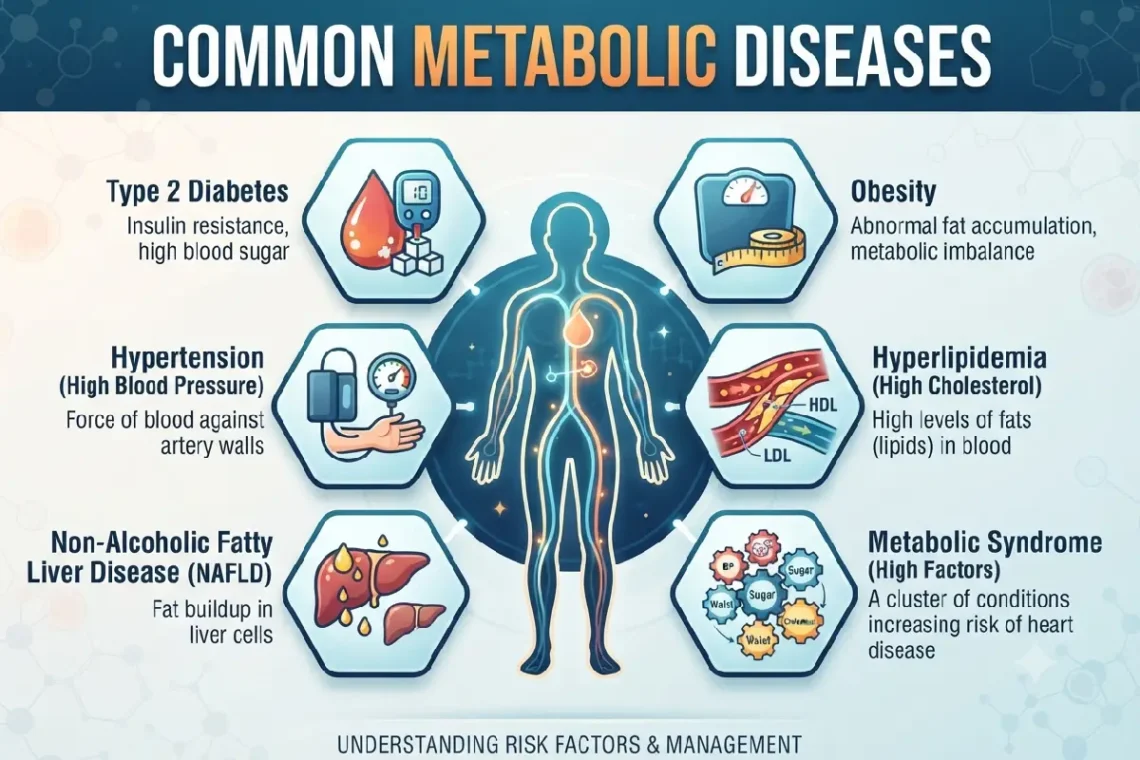
Metabolic diseases are common. It impacts how the body creates, stores or uses nutrients to create and use energy, regulate blood sugar or process fats and other vital substances. Many are triggered by genetically predisposed factors or hormone imbalances, others are significantly affected by diet, exercise, body weight, age and other lifestyle factors.
Common ones includes type 2 diabetes, obesity, high cholesterol, metabolic syndrome and hormonal related metabolic disorders such as disorders related to the thyroid and can also happen singularly or collectively as one and increase the other like obesity and insulin resistance can be linked to the increased risk of type 2 diabetes and metabolic syndrome.
Metabolic conditions are one important category of health problems, but they are part of a much broader range of illnesses. Explore our complete guide to common diseases to learn about different health conditions, their symptoms, causes, risk factors, and prevention.
Likewise, high cholesterol increases cardiovascular risk as well. Data still indicates that metabolic diseases pose a global concern based on a 2024 analysis of Global Burden of Disease that indicated type 2 diabetes, obesity, hypertension, hypercholesterolemia and metabolic dysfunction-associated steatotic liver disease (MASLD) has imposed a growing global health burden.
❝
This article is a part of
Health Conditions Hub
What Are Metabolic Diseases?
A metabolic condition is a disease of the processes of metabolism (how the body converts food into fuel for the body and stored for future use) or of regulation blood glucose, blood fat, hormones.
Some are genetic, others acquire later in life; there are common metabolic problems which are strongly related to excess weight gain, lack of physical activity, improper nutritional habits, insulin resistance, hormonal problems.
You need also to know it is linked: high blood pressure, high glucose, excess weight gain, and blood lipid imbalances are included in “metabolic risk factors of NCDs recognized by the WHO”
Common Metabolic Conditions
| Condition | Common concerns | What is affected? |
| Type 2 diabetes | Heart, kidney, nerve and eye complications | Blood glucose and insulin regulation |
| Obesity | Diabetes, cardiovascular disease and metabolic syndrome | Energy balance and body fat |
| High cholesterol | Atherosclerosis and cardiovascular disease | Blood lipids |
| Metabolic syndrome | Higher risk of diabetes, heart disease and stroke | Several metabolic risk factors together |
| Thyroid disorders | Changes in metabolism, weight, energy and cholesterol | Thyroid hormone regulation |
Some infections can influence metabolic health, particularly when illness affects appetite, blood sugar, hydration, or the body’s normal response to stress. Learn more about common infectious diseases and how infections can affect different parts of the body.
Diabetes
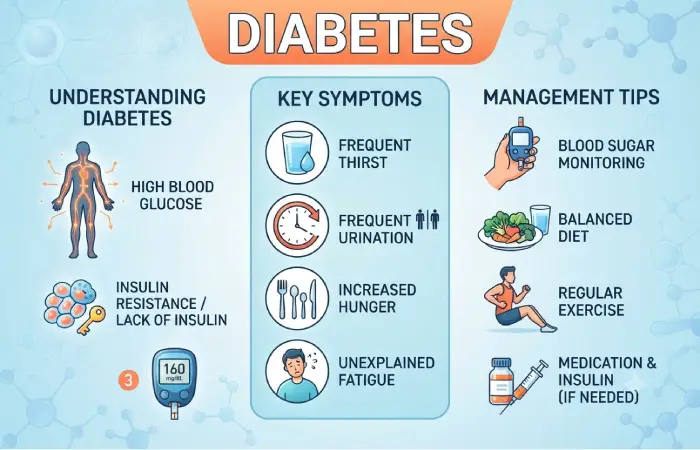
Diabetes results when levels of blood glucose become too high. Type 2 Diabetes is especially important because its development is strongly influenced by insulin resistance and excess body weight and physical inactivity and a range of other metabolic risk factors.
Over years of high blood glucose, it can injure nerves and blood vessels and is a risk factor for cardiovascular events, kidney disease, eye disease and other complications.
Type 2 Diabetes has a very substantial disease burden; GBD 2021 estimates published in 2024 suggested about 506 million people had type 2 Diabetes globally in 2021 and the diabetes burden was approximately 75 million disability adjusted life-years in the world for this year.
Obesity and Metabolic Health
Obesity is not just about being the correct size. There can be risks to your blood glucose and lipid levels, blood pressure and inflammation when you have too much fat on your body especially with regards to your waist line.
Obesity is associated with a high risk of cardiovascular disease, fatty liver disease type 2 diabetes, a high blood pressure and metabolic syndrome, and NIDDK suggests the slightest weight loss can reduce the metabolic risks in individuals who are borderline on the borderline regarding diabetes. Metabolic issues can exist when body weight is not visually ‘fat’.
Waist measurements, as well as levels of glucose and blood pressure/lipids can tell part of the story.
High Cholesterol
High levels of lipids, especially elevated LDL cholesterol are another metabolic problem that needs to be mentioned.
Metabolic conditions such as obesity, diabetes, and high cholesterol can also increase the risk of cardiovascular problems. Learn more about common heart diseases and the risk factors that can affect long-term heart health.
Cholesterol is essential for normal function of the body and high levels of atherogenic lipids can promote the formation of plaques in the arteries, leading to future chances of heart attack or stroke.
Also thyroid problems can impact lipid profiles. For example in the case of hypothyroidism the cholesterol and triglycerides are raised, and that’s why when investigatinghyperlipidemiathe endocrine society suggests looking for the presence of hypothyroidism.
Metabolic Syndrome
Metabolic syndrome describes a cluster of metabolic risk factors rather than one single disease.
Common components include:
- Increased waist circumference
- High triglycerides
- Low HDL cholesterol
- Elevated blood pressure
- Elevated fasting blood glucose
Having multiple components increases the risk of cardiovascular disease and type 2 diabetes. NIDDK states that at least three of these abnormalities are used to identify metabolic syndrome.
For South Asian populations, waist measurements can be particularly relevant because metabolic risk may occur at lower levels of BMI than in some other populations. Indian guidance uses population-specific waist thresholds when assessing metabolic syndrome.
Thyroid-Related Conditions

The thyroid is an endocrine gland which generates hormones regulating energy and other bodily processes such as metabolism and etc.
Underactive thyroid (hypothyroidism) is caused by the lack of thyroid hormones from the thyroid, and this could be accompanied by symptom like tiredness, poor tolerance of cold temperature, constipation and abnormal blood lipids and weight changes.
On the contrary, an overactive thyroid (hyperthyroidism) may result in overactivity of thyroid hormones causing symptoms. Such as poor tolerance of heat, increased heart rate, anxious feeling and unexpected weight loss.
Some health conditions can affect both metabolism and the respiratory system. For a broader understanding of conditions affecting the lungs and airways, explore common respiratory diseases, including their symptoms, causes, and risk factors.
Both hypothyroidism and hyperthyroidism are capable of affecting glucose and lipid metabolism, hence thyroid test should consider if endocrine malfunction is present.
Risk Factors
Although, there is variability depending on what disease there is. However, the overall risk factors are;
- Family history/genetics
- Getting older
- Overweight/obese at the waist/whole body
- Sedentary lifestyle/physical inactivity
- Unhealthy diet (containing mostly processed foods, added sugars and/or unhealthy fats)
- Smoking
- Drinking a lot of alcohol
- Chronic stress, chronic poor sleep
- Certain medicines
- Disorders such as hormonal disorders
The WHO consider unhealthy diet, inadequate physical activity, tobacco use and the harmful use of alcohol as significant behavioral drivers of metabolic risk factors such as; central or abdominal overweight/obesity, high blood glucose, hypertension and disordered blood lipids.
Symptoms and Diagnosis
Symptoms are not always present in the early stages of a metabolic disease.
Such is the case with type 2 diabetes; it is not always characterized by signs or symptoms that are able to be recognized. Similarly, symptoms are rarely present with high cholesterol until symptoms of cardiovascular disease.
There are tests that physicians can run based on the clinical suspicion and that typically include:
- Tests for blood glucose or HbA1c
- Lipid profile
- Blood pressure measurement
- BMI and waist measurement
- TSH, blood thyroid hormones testing
- Liver function tests
- Other appropriate laboratory or imaging studies, as indicated clinically.
These are the tests that will help routine health examinations to be beneficial for those at high risk, and especially for the growing population of people that have multiple risks.
Prevention and Management
The prevention of metabolic disease generally centers on a life-long lifestyle changes.
Eat to your metabolism.
Metabolic health can also be influenced by nutrition and the way the body processes food and nutrients. Learn more about common digestive diseases and the conditions that can affect the stomach, intestines, and other parts of the digestive system.
Favor, vegetables, fruit, whole grains, pulses, the leanest forms of protein sources and healthier fats. Try not to have too many added sugars, highly refined and excessive amounts of saturated fat.
Exercise.
An adequate amount of exercise to improve your sensitivity to insulin, aid with weight maintenance or loss and cardiovascular function.
Maintain a healthy weight.
To all persons with overweight or obesity status, even sustained or modest weight loss can improve multiple indices of metabolic risk factors.
Monitor.
Periodic surveillance of blood pressure, glucose levels, cholesterol and weight is important to facilitate management prior to the manifestation of disease states.
Take medications when prescribed.
Lifestyle can be tremendously helpful, but some patients with metabolic disease do benefit from and may require pharmaceutical or other medical intervention. Treatment should always be tailored to the individual by a skilled physician.
Final Takeaway
The disorders commonly seen as metabolic disorders are conditions which have effects on blood glucose, weight, cholesterol, blood pressure, and hormone level as well. Type I and II diabetes, obesity, hypercholesterolemia, metabolic syndrome and thyroid disorders are worthy of recognition, due to the growing threat of other potentially disabling diseases.
Metabolic disorders can affect people of different ages, including children. Explore our guide to common diseases in children to learn about childhood conditions, symptoms, risk factors, prevention, and when medical attention may be needed.
Dealing with problems of this magnitude, the goal for everyone is avoidance: understand risks inherent to individual, utilize an appropriate lifestyle with appropriately scheduled testing, and seek the partnership
Afiya Jafar is a fitness and wellness writer who focuses on making health, exercise, and healthy lifestyle information simple and practical. Her work covers workouts, fitness motivation, strength training, nutrition, weight management, stress management, mindfulness, and everyday wellness.
Read Full Bio of Afiya Jafar →
Sameena Begum reviews selected health, wellness, fitness, and digital content for clarity, factual presentation, consistency, and reader usefulness. Her review work helps maintain clear and responsible editorial standards across PhysicalFitt content.
Read Full Bio of Sameena Begum →
Dr. Khizrana Begum is a qualified medical professional with MBBS and MD qualifications and 5+ years of experience in the medical field. She works as a General Physician and Dermatologist, with expertise in general medicine, dermatology, preventive healthcare, and skin health.
Read Full Bio of Dr. Khizrana Begum →