
 Afiya Jafar
Fitness & Wellness Writer
Afiya Jafar is a fitness and wellness writer who focuses on making health, exercise, and healthy lifestyle information simple and practical.
Read Full Bio of Author →
Afiya Jafar
Fitness & Wellness Writer
Afiya Jafar is a fitness and wellness writer who focuses on making health, exercise, and healthy lifestyle information simple and practical.
Read Full Bio of Author →
 Sameena Begum
Health, Fitness & Digital Content Reviewer
Sameena reviews selected health, wellness, fitness, and digital content for clarity, factual presentation, and reader usefulness.
Read Full Bio of Reviewer →
Sameena Begum
Health, Fitness & Digital Content Reviewer
Sameena reviews selected health, wellness, fitness, and digital content for clarity, factual presentation, and reader usefulness.
Read Full Bio of Reviewer →
 Dr. Khizrana Begum
General Physician & Dermatologist
Dr. Khizrana Begum is a General Physician and Dermatologist with MBBS and MD qualifications and 5+ years of experience in the medical field.
Read Full Bio of Medical Reviewer →
Dr. Khizrana Begum
General Physician & Dermatologist
Dr. Khizrana Begum is a General Physician and Dermatologist with MBBS and MD qualifications and 5+ years of experience in the medical field.
Read Full Bio of Medical Reviewer →
It’s not all about lifting more weight. The key to optimizing your muscle repairs and building muscle tissue post-workout will come from your diet, more specifically from protein. In this guide, we’ll cover how to get the best high protein meals for muscle gain, from how much protein to consume, when to eat protein meals, affordable meal prep ideas, vegetarian options and science-backed strategies to help muscle gain.
Usual guidelines optional by a fitness specialist based on up-to-date research in sport say to take around 1.6 g- 2.2 g protein per kg of body weight when trying to build muscle.
Starting your day with the right nutrition is essential for muscle growth. Including high protein breakfast meals for muscle gain can significantly improve recovery, energy levels, and overall performance throughout the day.
❝
This article is a part of
Protein Meals Hub
Why Protein Is Important for Muscle Growth
Protein is one of the most important nutrients for building muscle mass, and normally recovering sports act. Whenever resistance workout, such as weightlifting, pushing up exercises or difficult gym sessions occur, your muscle fibers are unprotected to micro-damage. The muscle fibers then repair themselves with amino acids that make up protein. The muscles become stronger, bigger and more defined over time.
This muscle protein synthesis process is a key element when it comes to increasing natural muscle mass.
Helps Repair and Build Muscle Tissue
Protein helps by providing your body with amino acids that are normally called as “the building blocks of muscle”. While you are training very hard, your muscles need these amino acids in order to recover optimally. Inadequate intake of protein would lead to the muscle recovery process becoming prolonged which would not allow you to gain strength nor stay consistent in your progress.
Greek yogurt, chicken, eggs, fish, paneer, tofu, lentils and whey protein are great food sources to obtain a good amount of high-quality protein for muscle recovery and growth.
Supports Faster Recovery After Workouts
Another benefit of high protein meals is rapid recovery. Enough protein in your body helps to lower muscle soreness and faster recovery of damaged muscles after workout sessions. This can further enhance your training consistency and performance in every workout session.
This is one of the main reasons why bodybuilders and athletes ingest protein-rich meals immediately after their workout sessions since your body is very sensitive in absorbing nutrients post workout.
Prevents Muscle Loss
Building muscle is not only useful in growing it but also in maintaining its mass. Muscle can be lost if you are in a state of fat loss, as your body may break down protein for energy when it is lacking in carbohydrates.
A high protein diet ensures muscle mass remains in the body, while aiding the fat burning process and so is effective in both bulking and cutting cycles.
If your goal is to gain size and strength, following a structured high-protein bulking diet plan can make it easier to achieve a consistent calorie surplus.
Improves Strength and Workout Performance
You can increase your physical endurance with high-protein diets. Some amino acids, such as leucine, can directly affect the muscle protein synthesis pathway in the human body and thus, a regular amount of protein can improve strength, endurance and training volume.
Keeps You Full for Longer
Also it leads to greater satiety (you remain fuller for a longer time). Therefore helps to stop unhealthy snacking. A healthy diet through the day is maintained easily.
Ideal Daily Protein Intake for Muscle Gain
At this very moment, current sports nutrition literature suggests that your body should get a certain amount of protein a day in order to attain best muscle gaining benefits.
Also, distributing protein throughout the whole day (many smaller doses spread over time) is much more effective than one single large protein intake in the day.
Choosing the right post-worko… nutrition for muscle recovery can help maximize muscle protein synthesis and support faster recovery after training.
Overall, it is an important building block of muscles. Without sufficient protein consumption, even the best workout plan may fail to deliver ideal effects.
How Much Protein Do You Need?
It is one of the most significant elements of muscle structure, recovery and strength boost. For beginner workouts in the gym or for advanced athletes trying to build muscle, you will need sufficient protein.
The reason resistance exercise and the gym will increase muscle size and strength over time is by stressing the muscles. Stress on muscles produces microscopic tears, which need amino acids derived from protein for muscle protein synthesis, a fundamental process involved in muscle size.
Recent sport nutrition research claims that getting adequate protein each day increases strength, recovery, and performance in an assortment of different sports. Recommendations include eating a number of protein doses spread over the entire day.
How Protein Supports Muscle Growth
| Benefit of Protein | How It Helps |
| Muscle Repair | Repairs damaged muscle fibers after workouts |
| Muscle Building | Supports lean muscle mass growth |
| Faster Recovery | Reduces soreness and recovery time |
| Strength Improvement | Helps improve workout performance |
| Muscle Preservation | Prevents muscle loss during fat loss phases |
Understanding different protein supplements and sources can help you meet your nutritional requirements more effectively.
It’s often stated that protein consists of amino acids. These are the building blocks of muscles and among them is leucine, one significant amino acid that is involved in triggering muscle building processes in the human body. A food such as an egg, chicken, fish, dairy, whey protein, soy or tofu would be considered a great source of leucine, as well as a source of complete protein.
Recommended Daily Protein Intake
Modern fitness and nutrition experts suggest the following intake range for muscle growth:
High Protein Foods for Muscle Gain
| Food | Protein Per 100g |
| Chicken Breast | 31g |
| Eggs | 13g |
| Greek Yogurt | 10g |
| Paneer | 18–20g |
| Tofu | 15g |
| Soya Chunks | 52g (dry) |
Yet another great advantage protein provides is it’s ability to aid satiety. High protein meals also do well in keep you from unhealthy snacking for a longer amount of time. Satiety may contribute to diet adherence and stability.
In conclusion, it would be foolish for you to try and expect to get the most out of a training regimen without adequate protein in your diet! When training with resistance along with the proper balanced high protein foods it is one of the most reliable ways to build healthy natural muscle and enhance long-term athletic performance.
Best High Protein Foods
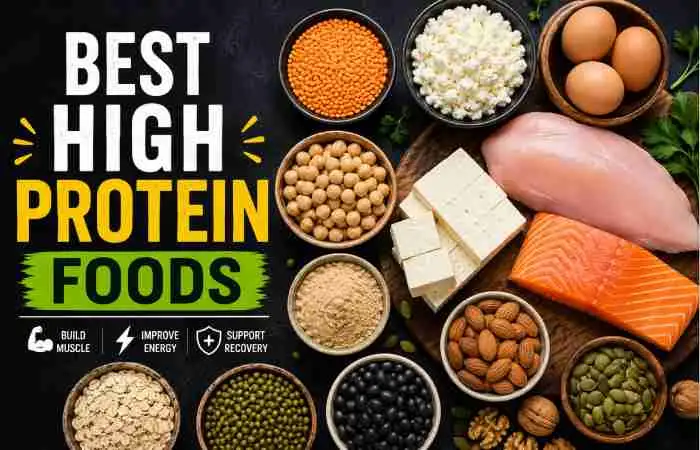
One must learn the proper selection of a variety of high-protein foods in order to increase muscle size, speed up recovery time and optimize training. These foods provide the amino acids your body needs for optimal recovery as well as growth after an intense resistance training program. Many different foods contain protein however not all contain them the same as others do some provide all the essential amino acids while others will contain a variety of fat, vitamins and even minerals and fiber.
For more variety in your diet, explore these high-protein recipes for muscle gain that combine nutrition with great taste.
Sports nutrition has found that in addition to animal products the use of a wide array of plant-based protein foods works most efficiently for many people to increase muscle gain, along with, all whole food protein-rich foods in one’s diet will result in maximized muscle protein synthesis along with greater recovery after any resistance exercise performed.
Best Animal-Based Protein Foods
| Food | Main Benefit | Protein Per 100g |
| Chicken Breast | Lean muscle building | 31g |
| Eggs | Rich in leucine and vitamins | 13g |
| Salmon | Protein + omega-3 fats | 25g |
| Greek Yogurt | Great for snacks and breakfast | 10g |
| Lean Beef | Supports strength and recovery | 26g |
| Tuna | High protein, low fat | 29g |
Between meals, many athletes rely on high-protein snacks for muscle gain to support recovery and maintain daily protein intake goals.
Animal-based proteins are greatly bioavailable, meaning the body absorbs and uses them professionally for muscle healing and growth.
Best Vegetarian Protein Foods
| Food | Main Benefit | Protein Per 100g |
| Soya Chunks | Affordable complete protein | 52g (dry) |
| Paneer | High-calorie muscle food | 18–20g |
| Tofu | Excellent plant protein | 15g |
| Lentils | Protein + fiber | 8–10g cooked |
| Quinoa | Complete amino acid profile | 8g per cup |
| Chickpeas | Good for meal prep | 19g |
Building muscle does not have to be expensive when you include budget-friendly high-protein foods in your nutrition plan.
Plant-based protein foods also present fiber, antioxidants and nutrients.
Which Protein Foods Are Best for Muscle Gain?
The better way is to have protein in each and every meal instead of a food source alone. Consuming chicken with rice or paneer with roti or lentils with quinoa will help provide better nutrient combination to enhance muscle recovery. It is observed that athletes eat 25-40 gms protein with each meal. Constant it intake shared with correct training and recovery makes building muscles feasible.
Lean protein sources are essential for muscle growth, and these high-protein chicken recipes provide delicious meal options for athletes and fitness enthusiasts.
High Protein Breakfast Ideas
- Greek Yogurt Power Bowl
Ingredients
- Greek yogurt
- Oats
- Chia seeds
- Peanut butter
- Berries
Macros
| Calories | Protein | Carbs | Fat |
| 450 | 35g | 40g | 14g |
- Egg & Paneer Bhurji Toast
A powerful Indian breakfast option for muscle gain.
Why It Works
- High leucine content
- Easy digestion
- Great pre-workout meal
- Protein Oats Smoothie
Ingredients
- Whey protein
- Banana
- Oats
- Milk
- Peanut butter
Best For
- Busy mornings
- Hard gainers
- Quick calorie surplus
Lunch Meals for Muscle Gain
- Chicken Rice Bowl
Components
- Grilled chicken
- Rice
- Vegetables
- Olive oil dressing
Macros
| Calories | Protein | Carbs | Fat |
| 650 | 48g | 62g | 18g |
- Salmon & Sweet Potato Plate
Excellent post-workout lunch.
Benefits
- Omega-3 recovery support
- Glycogen replenishment
- Anti-inflammatory benefits
- Indian High Protein Thali
Example Combination
- Dal
- Paneer curry
- Rice
- Roti
- Curd
A properly planned Indian meal can easily exceed 40g protein.
Dinner Recipes for Bodybuilding
- Lean Beef Stir Fry
Why Bodybuilders Love It
- High iron
- Rich in creatine
- Excellent recovery meal
- Paneer Quinoa Bowl
Popular among vegetarian athletes in 2026.
Protein Sources
- Paneer
- Quinoa
- Seeds
- Yogurt dressing
- Chicken Pasta Muscle Meal
Best For
- Bulking phases
- Evening recovery
- High-calorie requirements
Pre-Workout & Post-Workout Meals
Pre and post workout nutrition are the developing blocks of muscle growth, workout effectiveness and recuperation. The correct ratio of protein and carbs at both pre and post workout levels ensures that your body has all the necessary power during workout sessions, has enhanced stamina and also helps in the restoration of muscle after strenuous training.
A correct pre workout meal ensures that your body has energy during the workout session and a post workout meal replenishes muscle glycogen stores and enhances protein synthesis of muscles. Studies on Sports Nutrition reveal that ingesting protein and carbs together around workouts leads to a more favorable recovery, growth of lean muscle compared to exercising on a completely empty stomach.
Why Pre-Workout Meals Matter
A balanced meal before the pre-workout helps in giving your body adequate amount of energy for workout sessions during bodybuilding or strength training. Carbs are a primary energy source and protein is an important factor to limit muscle breakdown during workouts.
It is generally advised by health experts that you consume the meal 60-90 minutes prior to the workout session.
Best Pre-Workout Meal Options
| Meal | Protein | Carbs | Best For |
| Oats + Whey Protein | 30g | 45g | Strength workouts |
| Banana + Greek Yogurt | 20g | 35g | Quick energy |
| Chicken Sandwich | 35g | 40g | Long gym sessions |
| Peanut Butter Toast + Milk | 18g | 30g | Beginners |
A good pre workout meal is easy to digest and shouldn’t be too heavy.
Importance of Post-Workout Meals
The muscles are the most susceptible to nutrient uptake post workout and the nutrients would be ideal for muscles at that time as there is an increased absorption. They have been stimulated and are looking to restore what has been lost and this would be best restored when a combination of carbs and protein are ingested to fuel them and rebuild muscle tissue and store glycogen.
Best Post-Workout Meals
| Recovery Benefit | Meal | Protein |
| Fast absorption | Whey Protein + Banana | 30g |
| Full recovery meal | Chicken Rice Bowl | 45g |
| Budget-friendly option | Eggs + Toast | 28g |
| Protein + healthy fats | Salmon + Sweet Potato | 40g |
| Quick carb-protein mix | Chocolate Milk + Eggs | 25g |
Recent fitness research shows that eating 20-40g of protein post workout is the most effective for protein synthesis in muscles and enhancing recovery.
Vegetarian High Protein Meals
In terms of muscle gain, vegetarian meals are also very nutritious. Meat has always been portrayed as a perfect diet for muscle gain but it is not true. Vegetables not only provide protein and essential amino acids but also contain fiber and many important nutrients required for post-workout recovery and total body health. The use of Paneer, tofu, lentils, soy products, greek yogurt, chickpeas and Quinoa are commonly found in vegetarian diets. These meals reside of protein as the building blocks of muscles, carbs as fuel, and good fats to recover satiety and also aid in healing post workout.
Best Vegetarian Protein Foods for Muscle Gain
| Food | Protein Per 100g | Main Benefit |
| Soya Chunks | 52g (dry) | Extremely high protein |
| Paneer | 18–20g | Great for calorie surplus |
| Tofu | 15g | Low-fat complete protein |
| Greek Yogurt | 10g | Excellent snack option |
| Lentils | 8–10g cooked | Protein + fiber |
| Chickpeas | 19g | Good for meal prep |
| Quinoa | 8g per cup | Complete amino acid profile |
Soy-based foods are particularly popular because they limit all essential amino acids necessary for muscle repair and growth.
Best Vegetarian High Protein Meal Ideas
| Meal | Approx Protein |
| Paneer Bhurji + Roti | 35g |
| Soya Chunk Curry + Rice | 40g |
| Tofu Stir Fry | 30g |
| Lentil Quinoa Bowl | 28g |
| Greek Yogurt Oats Bowl | 25g |
These meals present a combination of protein, carbohydrates, and healthy fats that confirm energy stages and post-workout recovery.
Why Protein Variety Matters
Some plant protein sources may not contain all amino acids required to build muscles and are incomplete in their amino acid profile. For example, taking a mixture of quinoa and beans, or rice with lentils would provide a richer amino acid profile to build better muscles and better muscle protein synthesis.
It can be noted that in 2026 modern trends and popularity around vegetarian bodybuilding meals due to health benefits and affordability.
Tips for Vegetarian Muscle Gain
- Include protein in every meal
- Focus on calorie surplus for muscle growth
- Use dairy or soy-based foods for complete proteins
- Meal prep protein-rich foods in advance
- Consider protein powders if daily intake is difficult to meet
It shows great importance and effective bodybuilding with vegetarian protein source which enhances protein synthesis and post workout recovery, leading to good muscles.
Cheap Protein Meal Prep Ideas
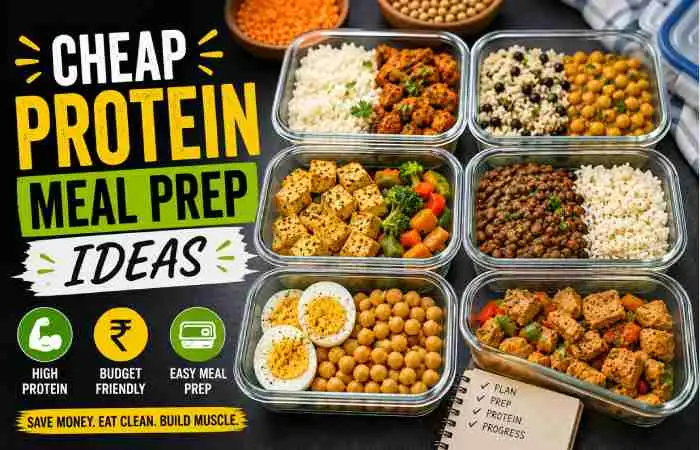
Muscle building can also be inexpensive. Preparing meals in advance is one of the most effective ways to save money as you will have pre-prepared meals for the entire week, allowing you to save time and eat in a structured manner, and also helps in controlling the diet throughout the week and preventing overeating/ unhealthy eating habits.
A lot of people assume that muscle-building requires taking supplements and eating high-priced food, but there are inexpensive and high-protein food sources that can provide you with your daily protein requirements, such as Eggs, Soya Chunks, Dal, Paneer, Chicken, Oats, Curd etc. Now, students, beginners, and fitness freaks who are going for body transformations are adopting meal-prep as one of the cost-effective strategies to meet their nutritional needs.
It has also been suggested through sport-nutrition studies that the overall daily intake of protein is of higher significance rather than the high-priced food items (superfoods).
Cheapest High Protein Foods
| Food | Budget Benefit | Approx Protein |
| Eggs | Affordable complete protein | 6g per egg |
| Soya Chunks | Extremely cheap and high protein | 52g per 100g dry |
| Lentils (Dal) | Protein + fiber | 8–10g per cup |
| Chicken Breast | Lean muscle-building food | 31g per 100g |
| Curd/Greek Yogurt | Good for digestion and recovery | 10g per serving |
| Peanut Butter | Easy calorie surplus | 8g per 2 tbsp |
Using this combination of proteins, you can make a wide variety of protein rich foods for your week and maximize your food budget, and not dramatically over spend.
Budget-Friendly Meal Prep Ideas
| Approx Protein | Meal Prep Idea |
| 30g | Egg Bhurji + Rice |
| 40–45g | Chicken Rice Boxes |
| 35–40g | Soya Chunk Curry + Roti |
| 30g | Dal + Paneer Meal |
| 25g | Oats + Peanut Butter + Milk |
If you get time for 2-3 days you can prepare 2-3 meals at the same time to get rid of everyday cooking.
Why Meal Prep Helps Muscle Gain
By meal-prepping, you’ll less likely to skip meals and eat unhealthy fast food, and control the quantity of food for lean muscle gain orbulking phase and hence maintaining calorie surplus for muscles and healthy weight.
Fitness trainers also suggest preparing balanced meal plans that include:
- Protein source
- Complex carbohydrates
- Healthy fats
- Vegetables for micronutrients
Simple Meal Prep Tips
- Cook protein in bulk for 2–3 days
- Use affordable staples like rice, oats, and lentils
- Store meals in portion-sized containers
- Add variety using spices and sauces
- Track protein intake weekly
Low-priced high-protein meal-prep is a highly efficient way of achieving muscle building for the long term.
Muscle Gain Mistakes to Avoid
While going through consistent training in the gym to build muscle, people often ignore a lot of common nutrition and recovery mistakes that limit their muscle building progress. Since muscle gain is more than just about weights it is also about calorie intake and muscle-protein synthesis, recovery of the muscles, regularity of workout etc. By avoiding the mistakes listed below you are going to improve the result.
One of the biggest mistake by beginners is insufficient calories. While building muscle you have to be in a caloric surplus and thus should intake few extra calories more than your body burns in a day. Even if you are consistent with your training, low calorie intake will hinder muscle growth and recovery.
Another big mistake that is commonly seen is that of consuming inadequate amounts of protein. It has been revealed through studies of sports nutrition that the muscle protein synthesis occurs best when there is the right intake of protein distributed throughout the day, as compared to consuming it in large doses.
Common Muscle Gain Mistakes
| Why It Hurts Progress | Mistake |
| Slows muscle recovery and growth | Not Eating Enough Protein |
| Reduces calorie and nutrient intake | Skipping Meals |
| Prevents proper muscle recovery | Overtraining |
| Recovery and hormone production decrease | Ignoring Sleep |
| Burns excess calories needed for muscle gain | Too Much Cardio |
| Limits strength progression | Poor Workout Consistency |
Relying Only on Supplements
People tend to focus on supplements rather than on the actual food, while real food includes necessary vitamins, micro-nutrients, healthy fats and fiber that helps in recovery and also promotes overall health and growth.
The meals including balanced protein, carbohydrates, and fat source is generally more effective rather than only dependent on protein shakes.
Ignoring Recovery and Sleep
The muscles are not developed during workouts but during the recovery period when muscles break down and repair. This recovery can only take place in sleep and thus can affect your testosterone levels and hence muscle recovery and performance if you do not get 7-9 hours of sleep daily. Most fitness professionals strongly recommend getting adequate rest at night to facilitate optimal muscle growth.
Importance of Progressive Overload
One of the another biggest mistake is that of having the same exercises all time. Through Progressive Overload in the terms of adding weights, increasing repetitions, adding workout volume or performing a better repetition will force your muscles to adapt and grow.
- Heavier weights
- More repetitions
- Increased training volume
- Better workout performance over time
Best Practices for Better Muscle Gain
| Healthy Habit | Benefit |
| Consistent Protein Intake | Better recovery and muscle repair |
| Balanced Meals | Supports energy and recovery |
| Proper Sleep | Improves recovery and hormone levels |
| Strength Progression | Encourages muscle adaptation |
| Meal Preparation | Maintains diet consistency |
These common mistakes will surely help to improvise on the muscle gaining results and decrease on the frustration of not growing your body as fast as you want.
Consistency is key when it comes to building muscle. Planning your meals in advance using high protein meal prep for muscle gain ensures you meet your daily protein targets without relying on last-minute food choices.
FAQ for High Protein Meals for Muscle Gain
What is the best high protein meal for muscle gain?
Meals that consist of lean proteins, carbs and good fat source. Chicken Rice Boxes, Salmon Potato recipes or Paneer quinoa boxes can be ideal choices.
How much protein should I eat daily to build muscle?
Most research recommends:
1.6 − 2.2 g/kg/day
for optimal muscle growth.
Are protein shakes necessary?
No. While it may provide an easy option to consume your daily required amount of protein while following your schedule but whole foods are more than sufficient to meet your daily requirement.
Can vegetarians build muscle effectively?
Yes. You can get your daily protein required with vegetarian foods such as Paneer, Tofu, Soy Chunks, Lentils, Quinoa, Yogurt, Greek Yogurt, etc.
What is the cheapest protein source?
Soy Chunks and Eggs are definitely one of the cheapest sources available in India to gain protein while following a budget friendly diet plan.
If you follow a plant-based diet, there are still plenty of effective options available. Explore these vegetarian high protein meals for muscle gain that support strength, recovery, and muscle development.
Conclusion
In 2026, muscle building is not only about simply eating a lot but rather smart eating. Appropriate high-protein meals are beneficial for muscle repair and performance and can contribute to long-term body composition changes whether you’re a non-vegetarian, vegetarian or someone on a tight budget. Regular protein intake related with strength training and recovery remain the primary elements of actual muscle growth regardless of the dietary inclination.
The best method is to focus on:
- High-quality protein sources
- Balanced meals with carbs and healthy fats
- Constant meal timing
- Viable calorie surplus
- Gradual strength training
It is not important for you to purchase expensive supplements or be following a complicated body building diet to gain muscle. Consuming eggs and oats, chicken rice boxes, dal and paneer or yogurts can also provide you lean muscles.
Nutrition science is continually progressing; however, it’s consistent over perfection. So, start with a suitable plan, analyze your body’s progress and adapt your protein consumption according to your needs while giving it proper recovery like training.
With the help of meal-prep ideas and diet plans, if you implement all the discussed protein requirements in your body you will certainly establish an ideal foundation for muscle gain.
Afiya Jafar is a fitness and wellness writer who focuses on making health, exercise, and healthy lifestyle information simple and practical. Her work covers workouts, fitness motivation, strength training, nutrition, weight management, stress management, mindfulness, and everyday wellness.
Read Full Bio of Afiya Jafar →
Sameena Begum reviews selected health, wellness, fitness, and digital content for clarity, factual presentation, consistency, and reader usefulness. Her review work helps maintain clear and responsible editorial standards across PhysicalFitt content.
Read Full Bio of Sameena Begum →
Dr. Khizrana Begum is a qualified medical professional with MBBS and MD qualifications and 5+ years of experience in the medical field. She works as a General Physician and Dermatologist, with expertise in general medicine, dermatology, preventive healthcare, and skin health.
Read Full Bio of Dr. Khizrana Begum →