
 Afiya Jafar
Fitness & Wellness Writer
Afiya Jafar is a fitness and wellness writer who focuses on making health, exercise, and healthy lifestyle information simple and practical.
Read Full Bio of Author →
Afiya Jafar
Fitness & Wellness Writer
Afiya Jafar is a fitness and wellness writer who focuses on making health, exercise, and healthy lifestyle information simple and practical.
Read Full Bio of Author →
 Sameena Begum
Health, Fitness & Digital Content Reviewer
Sameena reviews selected health, wellness, fitness, and digital content for clarity, factual presentation, and reader usefulness.
Read Full Bio of Reviewer →
Sameena Begum
Health, Fitness & Digital Content Reviewer
Sameena reviews selected health, wellness, fitness, and digital content for clarity, factual presentation, and reader usefulness.
Read Full Bio of Reviewer →
 Dr. Khizrana Begum
General Physician & Dermatologist
Dr. Khizrana Begum is a General Physician and Dermatologist with MBBS and MD qualifications and 5+ years of experience in the medical field.
Read Full Bio of Medical Reviewer →
Dr. Khizrana Begum
General Physician & Dermatologist
Dr. Khizrana Begum is a General Physician and Dermatologist with MBBS and MD qualifications and 5+ years of experience in the medical field.
Read Full Bio of Medical Reviewer →
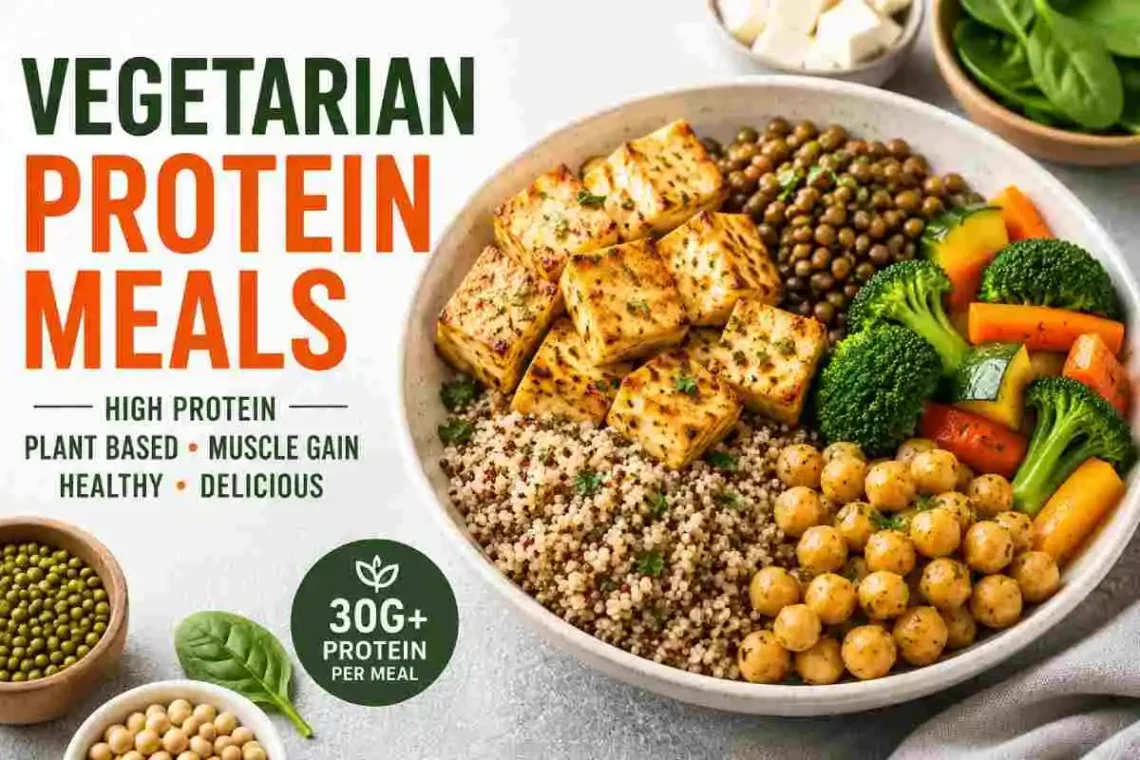
The struggle is over: Vegetarian Protein Meals are more effective than ever. Now, some Vegetarian Protein Meals contain as much protein as meat-based meals if portioned appropriately. For gym beginners, bodybuilders or any health conscious vegetarian, Vegetarian Protein Meals help with recovery, increasing strength, and long-term health.
A recent sports nutrition study states that people trying to increase muscle mass need between 1.6 and 2.2 grams of protein per kilogram of body weight. This doesn’t necessarily mean a shortage of high protein foods in vegetarian meals but rather a lack of knowledge on how to get the correct portion of protein out of vegetarian foods. Latest nutrition and workout focused Indian meal plans have proven that paneer, soy chunks, Greek yogurt, dal, tofu, and tempeh are simple options that can easily help increase protein to optimal levels.
A well-planned vegetarian diet can fully support muscle growth when protein intake and meal balance are optimized. For a broader breakdown of nutrition strategies, see this guide on high protein meals for muscle gain, which covers macros, timing, and recovery fundamentals.
The Role of Protein in muscle growth
Protein offers amino acids to fix muscle tissue after workout. Lack of protein would result in late recovery and delayed muscle growth.
Benefits
- Supports muscle recovery
- Improves strength development
- Keeps you full longer
- Helps maintain lean body mass
- Supports healthy metabolism
❝
This article is a part of
Protein Meals Hub
Best Plant Protein Foods for Gym
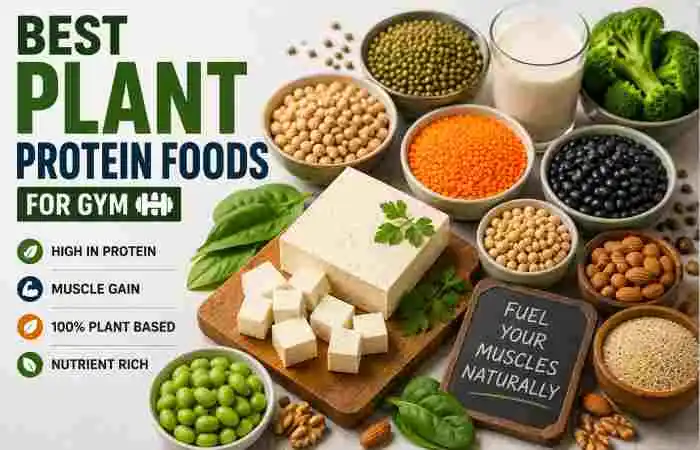
The following foods provide excellent protein density while fitting easily into vegetarian meal plans.
| Food | Protein Per 100g | Best Use |
| Soy Chunks | 52g | Muscle gain meals |
| Paneer | 18g | Lunch and dinner |
| Tofu | 15–18g | Vegan meals |
| Tempeh | 19–31g | Meal prep |
| Greek Yogurt | 10g | Snacks |
| Moong Dal | 24g dry | Lunch bowls |
| Chickpeas | 19g dry | Salads and curries |
| Rajma | 24g dry | Post-workout meals |
| Quinoa | 8g cooked | Complete protein meals |
(PubMed)
Maintaining consistency with a vegetarian diet becomes easier when meals are prepared in advance. These high protein meal prep strategies for muscle gain allow you to meet daily protein targets without relying on last-minute food choices.
Vegetarian High Protein Meals for Muscle Gain
- Paneer Power Bowl
Protein: 38g
Ingredients:
- 200g grilled paneer
- Quinoa
- Roasted vegetables
- Greek yogurt dressing
- Soy Chunk Bhurji with Roti
Protein: 42g
Ingredients:
- 75g soy chunks
- Tomatoes
- Onions
- Whole wheat roti
Among the best veggie meals for the price, high in protein.
- High Protein Moong Dal Khichdi
Protein: 28g
Ingredients:
- Moong dal
- Brown rice
- Mixed vegetables
- Paneer cubes
Good for novice people because it joins composite carbohydrates and complete proteins.
- Tofu Stir Fry
Protein: 30g
Ingredients:
- Tofu
- Broccoli
- Bell peppers
- Sesame seeds
An excellent vegan option for muscle recovery.
Indian Vegetarian Bodybuilding Diet
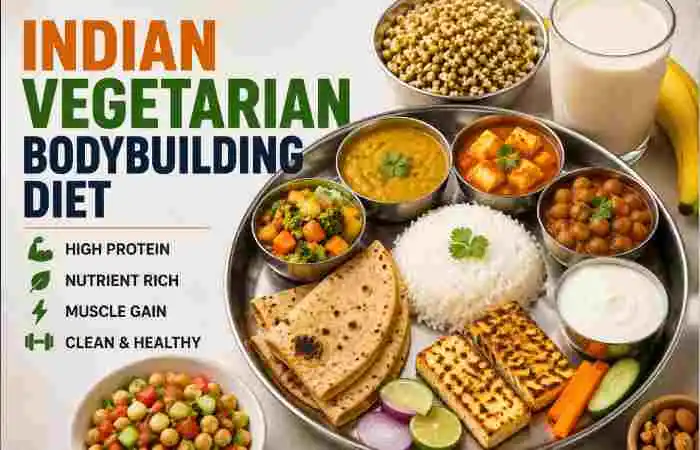
Breakfast
- Paneer bhurji
- Whole wheat toast
- Milk
Protein: 35g
Breakfast is a critical opportunity to initiate muscle protein synthesis, even on a plant-based diet. These high protein vegetarian breakfast ideas can help maintain energy levels and support muscle repair throughout the day.
Lunch
- Rajma
- Brown rice
- Greek yogurt
Protein: 32g
Pre-Workout
- Banana
- Whey or plant protein shake
Protein: 25g
Dinner
- Soy chunk curry
- Rotis
- Salad
Protein: 40g
Before Bed
- Greek yogurt
Protein: 15g
Total Daily Protein: Approx 145g
Learning about vegetarian-friendly protein supplements and sources can help support muscle-building goals.
This is around the level of recommended daily protein intake for muscle building based on science.
Paneer Recipes for Muscle Growth
Still a practical veggie protein source, due to amino acid profile and cookability. Paneer still is best of all.
While this guide focuses on plant-based options, readers who consume meat may also find these high-protein chicken recipes helpful for increasing daily protein intake.
Best Paneer Muscle-Building Recipes
| Recipe | Protein |
| Paneer Bhurji | 30–35g |
| Paneer Tikka | 36–40g |
| Palak Paneer | 25–30g |
| Paneer Wrap | 28–32g |
| Paneer Quinoa Bowl | 35–40g |
For more meal inspiration, explore these high-protein recipes for muscle gain featuring nutrient-rich ingredients.
Vegan Muscle Building Meal Plan
Many gym users believe that gaining muscle on a vegan diet isn’t possible due to the protein deficiency of plant based food sources in comparison to animal based food sources. Research within sports nutrition indicates that when calorie and protein demands are met each day the vegan diet can provide muscle growth, strength increases and promote muscle recovery as efficiently as other diets (MDPI Nutrients)
It is necessary to include an assortment of high-protein plant-based food sources throughout the day and by eating a combination of these; (e.g. Soy milk, tofu, legumes, tempeh, plant-based protein powders and quinoa) a balanced amount of all essential amino acids required to synthesize muscle protein can be obtained.
Sample Vegan Muscle Building Meal Plan
| Foods | Meal | Approx. Protein |
| Tofu scramble with vegetables, whole-grain toast, and soy milk | Breakfast | 30g |
| Pea protein smoothie with banana and oats | Mid-Morning Snack | 25g |
| Chickpea quinoa bowl with mixed vegetables and tahini dressing | Lunch | 28g |
| Roasted edamame and fruit | Pre-Workout Snack | 15g |
| Tempeh stir fry with brown rice and broccoli | Dinner | 35g |
| Unsweetened soy milk with chia seeds | Before Bed | 12g |
Total Daily Protein: Roughly 145g
Vegetarians can increase their daily intake with high-protein snacks for muscle gain made from plant-based ingredients.
Best Vegan Protein Sources for Muscle Gain
Below is foods with the most protein in the plant based world:
| Protein per 100g | Food |
| 52g | Soy Chunks |
| 19–31g | Tempeh |
| 15–18g | Tofu |
| 11g | Edamame |
| 24g (dry) | Lentils |
| 19g (dry) | Chickpeas |
| 20–25g per serving | Pea Protein Powder |
| 8g cooked | Quinoa |
Eating well on a budget is easier when you choose budget-friendly high-protein foods such as beans, lentils, and dairy products.
Tips for Building Muscle on a Vegan Diet
- Consume 1.6-2.2 grams of protein per kg of body weight per day
- Protein in each meal or snack
- Consume soya products (tofu, tempeh, soy milk etc.) because these contain all the necessary amino acids in themselves (i.e. A complete protein)
- Consume a protein rich meal with in 1-2 hrs after a training session to aid recovery.
- Measure protein intake in the first few weeks to gauge what amounts you should be taking in.
- Remember the calories. Muscles need a reliable caloric extra on top of their protein needs.
Common Vegan Muscle-Gain Mistakes
In their first few efforts most people go heavily on fruits, vegetables and cereals; they pay very less attention on their protein intake. On the other hand, many forget to meet their daily calorie target which may decrease the pace of muscle building, even though they work out with high intensity in the gym. Eating a regular high protein Vegetarian Protein Meal (made of Tofu, Tempeh, Soy Chunks, Lentils, and a plant based protein shake) can avoid these two things.
Vegetarians looking to gain size and strength can benefit from a structured high-protein bulking diet plan that focuses on calorie-dense, nutrient-rich foods.
It is also possible to meet all nutritional requirements required for muscle building, repair, and high running sport while on a vegan diet, given adequate organisation.
Plant-based athletes can maximize recovery by combining vegetarian meals with effective post-worko… nutrition for muscle growth and repair.
Questions
What is the best vegetarian protein food?
Soy chunks currently hold one of the most nutrient dense protein content available among Vegetarian Protein sources.
Is Paneer Good for Muscle Building?
Yes; paneer offers great quality casein protein that aids muscle repair and recovery.
Do I require a protein powder?
No not really almost all of your protein is consumed via whole foods, only protein powder is useful when it comes to “bridging the gaps”.
Final Words
The ultimate vegetarian protein meal would be a high source of protein with complex carbs, and a reasonable percentage of fat. Whether it is paneer, tofu, soy chunks, lentils or tempeh consistency far outweigh perfection. It is possible for vegetarians to experience the same, if not better muscular development as their omnivore counterparts, simply by focusing on protein rich whole foods and an adequate meal plan.
Afiya Jafar is a fitness and wellness writer who focuses on making health, exercise, and healthy lifestyle information simple and practical. Her work covers workouts, fitness motivation, strength training, nutrition, weight management, stress management, mindfulness, and everyday wellness.
Read Full Bio of Afiya Jafar →
Sameena Begum reviews selected health, wellness, fitness, and digital content for clarity, factual presentation, consistency, and reader usefulness. Her review work helps maintain clear and responsible editorial standards across PhysicalFitt content.
Read Full Bio of Sameena Begum →
Dr. Khizrana Begum is a qualified medical professional with MBBS and MD qualifications and 5+ years of experience in the medical field. She works as a General Physician and Dermatologist, with expertise in general medicine, dermatology, preventive healthcare, and skin health.
Read Full Bio of Dr. Khizrana Begum →