
 Afiya Jafar
Fitness & Wellness Writer
Afiya Jafar is a fitness and wellness writer who focuses on making health, exercise, and healthy lifestyle information simple and practical.
Read Full Bio of Author →
Afiya Jafar
Fitness & Wellness Writer
Afiya Jafar is a fitness and wellness writer who focuses on making health, exercise, and healthy lifestyle information simple and practical.
Read Full Bio of Author →
 Sameena Begum
Health, Fitness & Digital Content Reviewer
Sameena reviews selected health, wellness, fitness, and digital content for clarity, factual presentation, and reader usefulness.
Read Full Bio of Reviewer →
Sameena Begum
Health, Fitness & Digital Content Reviewer
Sameena reviews selected health, wellness, fitness, and digital content for clarity, factual presentation, and reader usefulness.
Read Full Bio of Reviewer →
 Dr. Khizrana Begum
General Physician & Dermatologist
Dr. Khizrana Begum is a General Physician and Dermatologist with MBBS and MD qualifications and 5+ years of experience in the medical field.
Read Full Bio of Medical Reviewer →
Dr. Khizrana Begum
General Physician & Dermatologist
Dr. Khizrana Begum is a General Physician and Dermatologist with MBBS and MD qualifications and 5+ years of experience in the medical field.
Read Full Bio of Medical Reviewer →
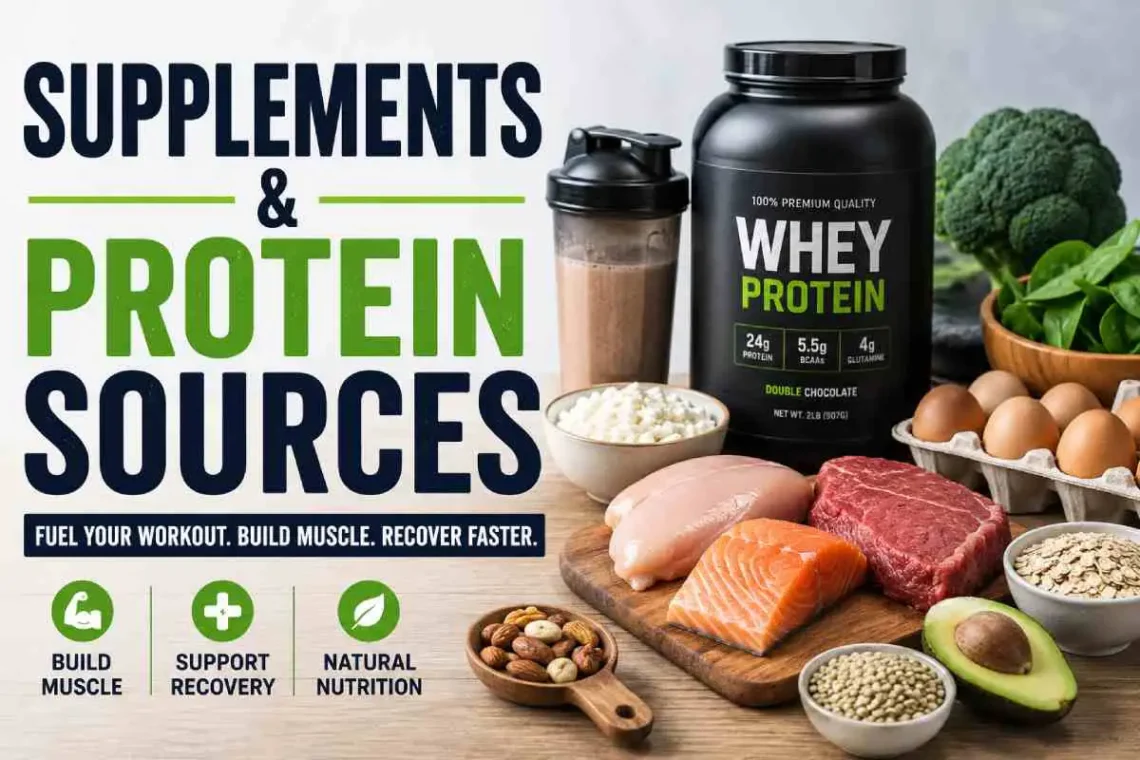
Supplements & Protein Sources is by far one of the most searched topics within fitness. Everyone new to the world of fitness seems to ask whether or not they are going to need protein powders, creatine, etc, to build muscle.
The truth of it is is that muscle growth is based around resistance training, protein consumption as a whole, rest and consistency. Supplements can be beneficial because they fill a nutritional void however they cannot replace proper nutrition.
Today in 2026 we now have definitive scientific proof that consuming sufficient protein and strength training will provide for both the building of muscle and recovery from resistance exercise. And that while powder is possibly the easiest way of consuming enough protein throughout the day, food is made of many other nutrients.
While supplements can be helpful, they work best when combined with high-protein meals for muscle gain that provide balanced nutrition throughout the day.
❝
This article is a part of
Protein Meals Hub
Why Protein Matters for Muscle Growth
The amino acids supplied by the protein are the fundamental components your body will use to rebuild and develop muscles after exercise.
Benefits of Adequate Protein Intake
- Supports muscle recovery
- Improves muscle protein synthesis
- Reduces muscle breakdown
- Helps maintain lean body mass
- Increases workout recovery speed
- Supports healthy metabolism
Most active individuals aiming for muscle growth should consume approximately:
| Goal | Protein Intake |
| General Fitness | 1.2–1.6 g/kg body weight |
| Muscle Gain | 1.6–2.2 g/kg body weight |
| Cutting Fat While Preserving Muscle | 2.0–2.4 g/kg body weight |
Starting your morning with a high-protein breakfast for muscle gain can help support muscle recovery and daily protein goals.
Whey Protein vs Real Food
One of the biggest debates in fitness is Whey Protein vs Real Food.
Comparison Table
| Factor | Whey Protein | Whole Food Protein |
| Digestion Speed | Fast | Moderate |
| Convenience | Excellent | Moderate |
| Micronutrients | Limited | High |
| Satiety | Moderate | High |
| Cost Per Serving | Moderate | Varies |
| Muscle Recovery | Excellent | Excellent |
| Meal Replacement | Not Ideal | Ideal |
Many athletes use supplements alongside high-protein meal prep ideas to maintain consistent nutrition and save time.
Verdict
Whole foods should make up the basis of your diet, providing vitamins, minerals, fibre and beneficial fats.
Whey protein should be considered a supplement of convenience that is easily accessible if you cannot obtain your daily requirement of protein from food.
Best Protein Powders for Muscle Gain
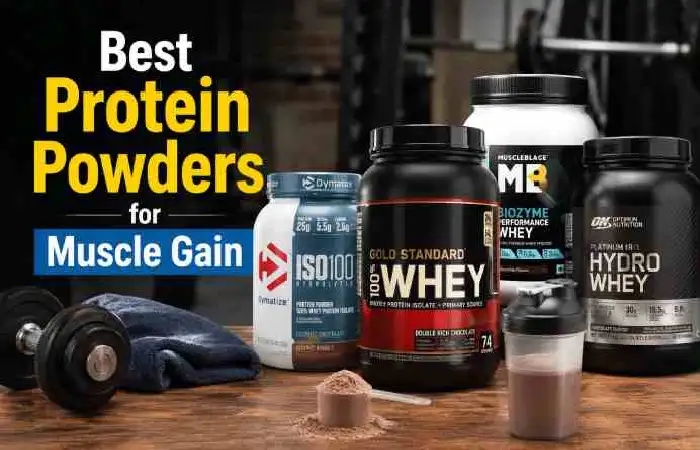
Sports supplements like protein powders maintain popularity for their ease in providing complete amino acid profiles.
Top Protein Powder Types
| Protein Type | Best For |
| Whey Concentrate | Budget-friendly muscle gain |
| Whey Isolate | Lean muscle building |
| Hydrolyzed Whey | Fast absorption |
| Casein Protein | Overnight recovery |
| Pea + Rice Blend | Plant-based athletes |
| Soy Protein | Vegan muscle gain |
Those following plant-based diets can combine supplements with vegetarian high-protein meals to increase their overall protein intake.
What to Look For
- 20–30g protein per serving
- Third-party testing
- Minimal added sugar
- Complete amino acid profile
- Transparent ingredient label
Natural Protein Sources for Bodybuilding
Bodybuilding has traditionally favored natural protein sources due to the abundance of protein plus additional vitamins, minerals, healthy fats, and other compounds that promote muscle gain and good health. Protein supplements can be effective to supplement this but having natural whole foods as the basis of your diet can contribute to building a solid foundation.
Why Bodybuilders Should Prioritize Natural Protein Sources
The nutrients you would find in the whole foods which protein powders do not contain are critical for muscle building as they provide the power, regulate hormones, support the immune system and aid recovery.
Proper recovery often requires a combination of supplements and effective post-workout nutrition strategies to maximize muscle repair.
Benefits of natural protein foods include:
- Higher nutrient density
- Better satiety and appetite control
- Improved digestion for many individuals
- Additional vitamins and minerals
- Greater meal variety
- Long-term health benefits
Best Animal-Based Protein Sources
Because of the nine indispensable amino acids found in all animal proteins it makes them all complete proteins. When considering muscle protein synthesis you can’t ask for more.
| Food | Protein per 100g | Additional Benefits |
| Chicken Breast | 31g | Low fat, high protein |
| Turkey Breast | 29g | Lean and nutrient-rich |
| Lean Beef | 26g | Rich in iron and zinc |
| Tuna | 29g | High in omega-3 fats |
| Salmon | 25g | Supports recovery and heart health |
| Eggs | 13g | Excellent amino acid profile |
| Greek Yogurt | 10g | Contains probiotics |
| Cottage Cheese | 11g | Slow-digesting protein |
Individuals focused on gaining size frequently use supplements as part of a structured bulking diet plan designed to support muscle growth.
No wonder chicken breast is still a very popular choice as far as bodybuilding food goes, seeing as it has got very high protein levels and is one food that you can actually make a great variety of dishes from. Other a good food to consume is eggs, with them being good quality protein and a healthy amount of fats for hormone production.
Best Plant-Based Protein Sources
Plant-based athletes can build muscle when they eat foods that have a lot of protein in them every day. These plant-based athletes need to combine these foods to get the protein they need to build muscle. Plant-based athletes have to make sure they are eating protein- foods all throughout the day to build muscle.
| Food | Protein per 100g |
| Tofu | 17g |
| Tempeh | 19g |
| Edamame | 12g |
| Lentils | 9g |
| Chickpeas | 9g |
| Black Beans | 9g |
| Quinoa | 4g |
| Hemp Seeds | 32g |
Whole-food protein sources remain important, and these high-protein chicken recipes can complement a supplement-based nutrition plan.
The thing is, even if some plant proteins do not have all the amino acids eating a variety of plants will make up for what is missing from the plant proteins. This is because a varied intake of plants will balance out the deficiency, in the plant proteins.
Protein Quality Matters
Protein sources vary and one fact that body builders must take into account is the existence of amino acids which is leucine. Leucine is the trigger of muscle protein synthesis.
Foods naturally high in leucine include:
- Whey protein
- Chicken breast
- Lean beef
- Eggs
- Fish
- Dairy products
When you eat foods that have a lot of leucine in them with each meal it can really help you build muscle. Leucine is very important for building muscle so eating leucine- foods every time you eat can make a big difference. This means you should try to include leucine- foods in every meal to get the best results, from building muscle with leucine-rich foods.
How Much Natural Protein Do Bodybuilders Need?
Most muscle-building diets strive for 25-40 grams of protein per meal and consume that between 4-6 times a day.
Convenient high-protein snacks for muscle gain can also help bridge nutritional gaps between meals.
Example for an 80 kg bodybuilder:
| Meal | Protein |
| Breakfast | 30g |
| Lunch | 40g |
| Snack | 25g |
| Dinner | 40g |
| Before Bed | 25g |
| Total | 160g |
Many people balance supplement use with budget-friendly high-protein foods to keep their nutrition plan affordable.
This approach helps maintain a steady supply of amino acids throughout the day and supports recovery between training sessions.
Whole Foods vs Supplements
While supplements are useful, natural protein foods should provide the majority of your daily protein intake. A balanced strategy is:
- 70–80% protein from whole foods
- 20–30% protein from supplements when needed
This combination is really good because it is easy to use and it has nutritional quality. It helps bodybuilders get muscles and recover from workouts and it also helps them stay healthy.
Creatine and Protein Meal Guide
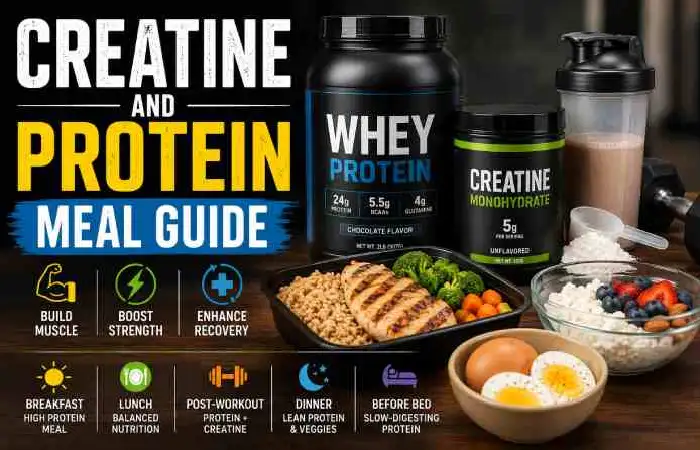
Creatine is a supplement that people have studied a lot.
Benefits of Creatine
- Increased strength output
- Improved muscle volume
- Enhanced recovery
- Better training performance
- Long-term muscle growth support
Sample Daily Schedule
| Time | Nutrition |
| Breakfast | Eggs + Oats |
| Lunch | Chicken + Rice |
| Pre-Workout | Banana + Coffee |
| Post-Workout | Whey Protein + Creatine |
| Dinner | Fish + Vegetables |
| Before Bed | Casein Protein |
Recommended Dosages
| Supplement | Daily Amount |
| Whey Protein | As needed |
| Creatine Monohydrate | 3–5g |
| Casein Protein | 25–40g |
| Fish Oil | 1–3g |
For practical meal ideas that pair well with supplements, explore these high-protein recipes for muscle gain suitable for different fitness goals.
Casein vs Whey for Muscle Recovery
Both proteins have unique advantages.
Casein vs Whey Comparison
| Factor | Whey | Casein |
| Absorption | Fast | Slow |
| Best Timing | Post-workout | Before bed |
| Recovery Support | Excellent | Excellent |
| Satiety | Moderate | High |
| Muscle Preservation | Good | Excellent |
Which One Is Better?
When you finish your workout you should take Whey Protein away. This is because you want the amino acids to get into your body quickly.
You should take Casein Protein before you go to bed. This helps your muscles recover while you are sleeping. Casein Protein is really good, at helping your muscles recover throughout the night.
A mix of the two protein supplements can provide optimum results for most athletes.
Common Protein Supplement Mistakes
- Replacing Meals With Shakes
Swapping meals for shakes. Protein shakes are to supplement a balanced diet not replace a nutritious meal.
- Ignoring Total Daily Protein
Total daily protein intake matters more than supplement timing.
- Buying Based on Marketing
Always review ingredient labels and third-party testing.
- Skipping Whole Foods
Whole foods provide nutrients supplements cannot fully replace.
Troubleshooting Guide
Problem: Not Building Muscle
Possible Causes:
- Insufficient calories
- Low protein intake
- Poor workout intensity
- Inconsistent training
Problem: Digestive Issues
Possible Solutions:
- Switch to whey isolate
- Try plant protein
- Reduce serving size
- Check for lactose sensitivity
Problem: Slow Recovery
Possible Solutions:
- Increase protein intake
- Improve sleep quality
- Add creatine
- Stay hydrated
Conclusion
To truly make gains, one must also have a general understanding of supplements & protein sources. A sound plan incorporating high-quality whole food protein, smart supplementation, resistance training, and rest will be most successful. Both whey protein, casein, and creatine may be helpful with building muscle, however they should never serve to replace an all-inclusive diet plan. Try to stay on target for daily protein intake consistently and remember to eat real food more often than anything else, and use supplements as tools to improve an existing system.
Afiya Jafar is a fitness and wellness writer who focuses on making health, exercise, and healthy lifestyle information simple and practical. Her work covers workouts, fitness motivation, strength training, nutrition, weight management, stress management, mindfulness, and everyday wellness.
Read Full Bio of Afiya Jafar →
Sameena Begum reviews selected health, wellness, fitness, and digital content for clarity, factual presentation, consistency, and reader usefulness. Her review work helps maintain clear and responsible editorial standards across PhysicalFitt content.
Read Full Bio of Sameena Begum →
Dr. Khizrana Begum is a qualified medical professional with MBBS and MD qualifications and 5+ years of experience in the medical field. She works as a General Physician and Dermatologist, with expertise in general medicine, dermatology, preventive healthcare, and skin health.
Read Full Bio of Dr. Khizrana Begum →