
 Afiya Jafar
Fitness & Wellness Writer
Afiya Jafar is a fitness and wellness writer who focuses on making health, exercise, and healthy lifestyle information simple and practical.
Read Full Bio of Author →
Afiya Jafar
Fitness & Wellness Writer
Afiya Jafar is a fitness and wellness writer who focuses on making health, exercise, and healthy lifestyle information simple and practical.
Read Full Bio of Author →
 Sameena Begum
Health, Fitness & Digital Content Reviewer
Sameena reviews selected health, wellness, fitness, and digital content for clarity, factual presentation, and reader usefulness.
Read Full Bio of Reviewer →
Sameena Begum
Health, Fitness & Digital Content Reviewer
Sameena reviews selected health, wellness, fitness, and digital content for clarity, factual presentation, and reader usefulness.
Read Full Bio of Reviewer →
 Dr. Khizrana Begum
General Physician & Dermatologist
Dr. Khizrana Begum is a General Physician and Dermatologist with MBBS and MD qualifications and 5+ years of experience in the medical field.
Read Full Bio of Medical Reviewer →
Dr. Khizrana Begum
General Physician & Dermatologist
Dr. Khizrana Begum is a General Physician and Dermatologist with MBBS and MD qualifications and 5+ years of experience in the medical field.
Read Full Bio of Medical Reviewer →
Self care activities are simple actions that help promote physical health, mental and emotional health, relationships, and an enhanced quality of life. These activities don’t have to be costly, require a large amount of time, or be difficult to complete. A 10-minute walk outside; getting enough sleep at night; journaling one’s thoughts and feelings; having a conversation with someone you can count on; or even just finding time alone for a little quiet space are forms of self care.
Self-care activities are one practical way to support your overall health and well-being. For a broader look at physical, mental, emotional, and other types of self-care, explore this complete self care guide.
Which activity is best suited depends upon current needs, your current energy levels and availability, and life style. According to the World Health Organization (WHO), self care can be considered “health-promoting behavior enacted by individuals which includes eating adequately; adequate and a good quantity of sleep; being active and social; and avoiding the use of any other persons’ advice or intervention in self-behavior directed to manage one’s health”.
❝
This article is a part of
Self Care Hub
What Are Self Care Activities?
Activities that are done on purpose in order to help us cope with the physical, psychological, emotional, or social strains in our lives.
Not exclusive to bubble baths and retail therapy, engaging in self-care can mean:
- Being getting enough rest
- eating balanced and nutritious meals
- walking daily
- drinking ample amounts of water
- practicing being mindful
- spending time with loved ones
- setting healthy boundaries
- engaging in an activity you enjoy
- limiting screentime
- Spending time in nature
Small efforts towards self-care not only bolster our mental health but also decrease our levels of stress and boost energy as well, According to the National Institute of Mental Health.
A simple self-care activity comparison
| Activity | Best for | Time needed | Cost |
| Deep breathing | Stress | 2–5 min | Free |
| Short walk | Energy & mood | 10–20 min | Free |
| Journaling | Reflection | 5–15 min | Low |
| Reading | Relaxation | 10–30 min | Low |
| Calling a friend | Social connection | 10–30 min | Free |
| Yoga/stretching | Physical tension | 10–30 min | Free/Low |
| Creative hobby | Mental reset | 20–60 min | Low–Medium |
| Nature walk | Mood & relaxation | 20–60 min | Free |
You do not need a complicated routine to practice self-care. Simple habits such as taking a short walk, relaxing with a hobby, spending time outdoors, or taking a few quiet minutes for yourself can make a difference. Try these simple self care ideas for inspiration.
Relaxing Self Care Activities
When you’re mentally or physically drained, choose activities that lower stimulation rather than adding another demanding task.
Try:
- Take a warm shower or bath.
- Listen to calming music.
- Practice slow breathing.
- Read a few pages of a book.
- Make a caffeine-free evening drink.
- Sit somewhere quiet without your phone.
- Try a short guided meditation.
- Stretch gently before bed.
- Dim the lights and create a calming environment.
- Take a short afternoon rest.
A useful rule is “less effort, more restoration.” Self-care should not become another item on your to-do list.
Physical Self Care Activities
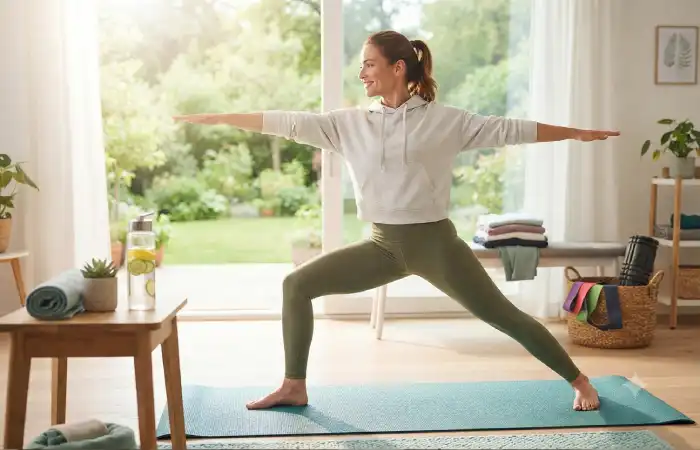
Physical self-care supports your body’s basic needs and doesn’t necessarily mean intense exercise.
Consider:
- Walking for 10–30 minutes
- Stretching after sitting for long periods
- Doing a beginner yoga routine
- Drinking water regularly
- Eating balanced meals
- Maintaining a consistent sleep schedule
- Taking movement breaks during work
- Preparing healthy meals
- Practicing good sleep hygiene
- Scheduling appropriate medical or dental care
NIMH recommends regular physical activity, healthy meals, hydration and adequate sleep as important parts of caring for mental and physical health.
Mental Self Care Activities
Mental self-care offers your brain a moment to quiet down, reset itself or sort through whatever you may be feeling or experiencing.
Some things to consider:
- Writing in a journal for five minutes
- Meditation/mindfulness
- Making tomorrows list
- Turning off social media/the internet temporarily
- Reading something fun/relaxing
- Trying to learn a new skill
- Completing a quick crossword or other brain teaser
- Practicing appreciation/gratitude
- Spending time completely free of notifications
- Talking with someone if you are upset
Self-care does not, however, substitute for therapy or other professional help for persistent symptoms of sadness, anxiety, stress, etc.
Creative Self Care Activities
Many self-care activities can also support your physical well-being. Regular movement, staying hydrated, eating nutritious foods, and getting enough rest are useful ways to take care of your body. Learn more about physical self care.
Creative pursuits allow us to escape our daily monotonous routines for an opportunity for self expression. Suggestions for these activities are:
– Drawing
– Painting
– Coloring
– Photography
– Cooking something new
– Gardening
– Playing an instrument
– Writing poetry
– Arts and crafts
-Vision boards
– Decorating your room
-New hobbies
You can be completely untrained or have zero skill, that isn’t what creativity is about -it is simply to participate, enjoy, and express yourself.
Social Self Care Activities
Being alone is not the only aspect of self-care. A strong relationship and healthy connection with others plays a role too.
Test the water by:
- Having a phone call to a best friend
- Going out for a coffee
- Having dinner together with family
- Signing up for a hobbie group
- Having a board game
- Asking someone for support
- Saying what you’re going through to someone you trust
- Spending quality time with someone
- Helping others and volunteering
- Making contact with someone after a long absence
Some activities can help you slow down, reflect on your feelings, and build healthier emotional habits. If you want to focus more specifically on your emotional well-being, explore these emotional self care practices.
According to the NIH, having strong positive social connections leads to a useful support network, physical and emotional well-being.
Outdoor Self Care Activities

The environment changes just getting outside – getting out of a stressful routine can easily be done just through a morning walk outdoors.
Give the following a go:
- Morning walk
- Sit in a park
- Gardening
- Watch a sunrise or sunset
- Hiking
- Eat your lunch outside
- Take nature pictures
- Go for a walk with a friend
- Read outside
- Take a few moments peace and quiet outside in nature
Even a ten minute break outdoors could be more achievable than planning an indulgent wellness day.
Self Care Activities at Home
You don’t need a spa membership or expensive equipment to practice self-care at home.
Create a simple home routine by:
- Cleaning one small area
- Changing into comfortable clothes
- Taking a relaxing shower
- Preparing your favorite healthy meal
- Watching a favorite movie
- Reading
- Doing skincare
- Stretching
- Journaling
- Listening to music
- Taking a screen-free break
For a practical setup, keep frequently used items—such as a journal, book, water bottle, exercise mat, or headphones—in one easily accessible place.
Rest and recovery should also be part of a sustainable self-care routine. Relaxing activities in the evening, a consistent bedtime, and a comfortable sleep environment can support better rest. Learn more about self care for better sleep.
Quick Self Care Activities
Don’t have an hour? Start with five minutes.
5-minute self-care reset
| Time | Activity |
| 1 minute | Take slow, comfortable breaths |
| 1 minute | Drink some water |
| 1 minute | Stretch your shoulders and neck |
| 1 minute | Step away from your screen |
| 1 minute | Decide what you need next |
You can also open a window, listen to one favorite song, write down one worry, step outside, or simply sit quietly.
The important point is consistency. Current self-care guidance increasingly emphasizes choosing activities that match your available time and energy rather than trying to complete an elaborate routine.
Choosing Activities That Fit Your Lifestyle
Self-care activities can also benefit your mental well-being by giving you time to manage stress, clear your mind, and recharge. Discover practical strategies for mental self care that you can incorporate into your daily routine.
Self-care isn’t one-size-fits-all and something that feels nourishing to one person may be overwhelming or boring to another.
When developing your self-care “menu”, start with the question:
What do I need right now?
I’m tired- anap, more sleep, some gentle movement, or a calming activity.
I’m stressed- breathing exercises, some movement, some mindfulness, or reducing the amount I’m stimulating myself.
Lonely- give someone you trust a call or make social plans for some in-person or video time.
I’m restless- going for a workout, doing chores or cleaning, time in the garden, or getting outside.
My mind feels like it’s full of junk- journal, declutter your schedule, or set time limits for screens.
I’m feeling bored- try something artistic or new to learn.
Healthline also encourages us to center ourself care habits on things we actually do, time, budget, and what we enjoy, as opposed to blindly following someone else’s checklist.
Self-care needs to be realistic, for a better chance of sticking with it.
Instead of piling on twenty new self-care behaviors at once: select:
- 1 daily self-care activity
- 1 weekly self-care activity
- 1 difficult day self-care activity
Example of this format:
- 1 daily walk (10 minutes)
- 1 hourly devoted time for an activity I enjoy (weekly)
- 5min breathing exercises while I call a friend I trust (on difficult days)
Final Takeaway
You don’t have to make them intricate- self care simply involves regularly providing your body, and your mind, with what they need and are asking of them.
Try small actions, like walking outdoors, trying to achieve enough sleep, disconnecting briefly from your screen, talking to someone you trust or taking 5 quiet minutes doing an activity you love.
The only thing that makes self care work is if it’s achievable, individualized and sustainable, not one additional thing that you feel you need to add to your list.
Afiya Jafar is a fitness and wellness writer who focuses on making health, exercise, and healthy lifestyle information simple and practical. Her work covers workouts, fitness motivation, strength training, nutrition, weight management, stress management, mindfulness, and everyday wellness.
Read Full Bio of Afiya Jafar →
Sameena Begum reviews selected health, wellness, fitness, and digital content for clarity, factual presentation, consistency, and reader usefulness. Her review work helps maintain clear and responsible editorial standards across PhysicalFitt content.
Read Full Bio of Sameena Begum →
Dr. Khizrana Begum is a qualified medical professional with MBBS and MD qualifications and 5+ years of experience in the medical field. She works as a General Physician and Dermatologist, with expertise in general medicine, dermatology, preventive healthcare, and skin health.
Read Full Bio of Dr. Khizrana Begum →