
 Afiya Jafar
Fitness & Wellness Writer
Afiya Jafar is a fitness and wellness writer who focuses on making health, exercise, and healthy lifestyle information simple and practical.
Read Full Bio of Author →
Afiya Jafar
Fitness & Wellness Writer
Afiya Jafar is a fitness and wellness writer who focuses on making health, exercise, and healthy lifestyle information simple and practical.
Read Full Bio of Author →
 Sameena Begum
Health, Fitness & Digital Content Reviewer
Sameena reviews selected health, wellness, fitness, and digital content for clarity, factual presentation, and reader usefulness.
Read Full Bio of Reviewer →
Sameena Begum
Health, Fitness & Digital Content Reviewer
Sameena reviews selected health, wellness, fitness, and digital content for clarity, factual presentation, and reader usefulness.
Read Full Bio of Reviewer →
Few things show how fast the food culture is changing in 2026 than these ten latest food trends. From what you cook at home or order in restaurants, to the grocery bought, the food shared on social media is all about flavor, convenience, nutrition, and sustainability.
But not everything is still a viral sensation. A more accurate depiction of the modern food market is dividing market fleeting internet sensation from trends emerging in retail markets, restaurant menus, home preparation, and industry studies.
What do these signals look like for 2026? Name growth signals such as-protecting the planet, immune support, and being proactive; fiber foods, increased home convenience foods, global cuisines, small portions, fermented foods, food as medicine, restauranteering, mindfulness, treat sources, better-for-you baking, plant-forward eating, fun Foods, and beautiful foods. Whole Foods Market’s 2026 forecast include fiber, premium frozen foods, tallow, and other consumer trends.
What Does “Toptenlast Latest Food Trends Jalbiteblog” Mean?
Vortex includes a Top Ten Last Trend and the general food-trend ecosystem from JALBITEBLOG. The search results indicate the results are related to pages about plant-based cuisine and fermentation. Other pages including worldwide cuisine, viral memes and online food culture.
If there‘s only one thing you understand, it‘s that most people wanna know what‘s hot now and how to actually get it.
That means a useful 2026 guide should answer three questions:
- What are the food trends receiving the most attention?
- What would make people be willing to pay 200 dollars for them?
Anyone who has began to explored the world of snowskates will agree that the best way to do it in the cheaper way possible is to try buying a second hand snowskates.
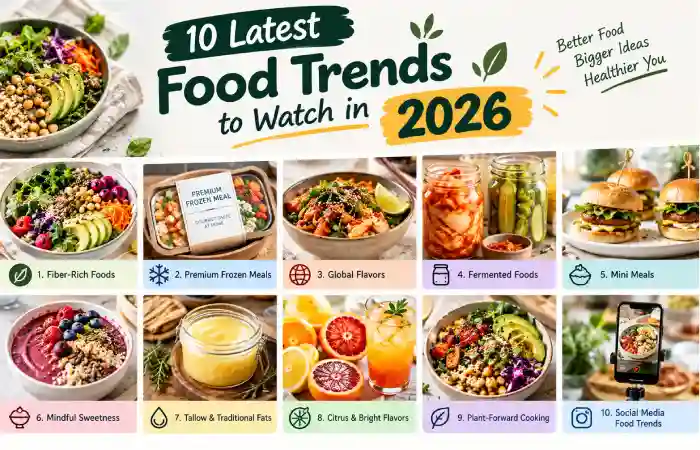
10 Latest Food Trends to Watch in 2026
Fiber-First Foods
Fiber: The fiber is back in 2026 foods. Bean to bar So far this year, food and beverage marketers have paid little to no attention to protein. Instead, they’re focused squarely on fiber, including beans, lentils, whole grains, vegetables, seeds and more.
The theme for 2026 food trend season is nutrition, including as a sub theme protein and fiber, and this is a significant one for Penn State Extension.
How to try it out easily: Toss lentils into soups, beans into bowls, chia seeds into yogurt, or barley in your grain-based dish.
Restaurant-Style Food at Home
Cooking at home is getting more sophisticated it doesn’t always have to be more difficult.
Kroger’s 2026 forecast features restaurant-style home cooking, global-inspired sauces and chef-style prep as a consumer trend.
Frozen foods are headed there too. Whole Foods Market has “Freezer Fine Dining” listed as a 2026 trend, with high-end frozen appetizers and entrées that offer a more upscale experience at home.
Global and Asian-Inspired Flavors
Miso, gochujang, sesame, yuzu and other non-native ingredients are now being found in increasingly mainstream venues.
Furthermore, Asian-inspired mashups are among the six food trends for 2026 that are detailed by Kroger.
This doesn‘t imply throwing different cuisines together randomly. The best applications feature a familiar ingredient in a familiar form.
Beginner idea: Try a miso glaze on roasted vegetables and sesame dressing on an easy noodle bowl.
Fermented Foods
Fermentation continues to draw interest due to the fact that it exists at the cross-road of old method of food production and atypical flavors.
Kimchi, sourdough, fermented hot sauces, pickles, miso and fermented products are so prevalent in food-trend chatter.
Commercially prepared fermented foods are a less complicated place to begin for those just starting out than making fermentation at home.
Small Portions and Mini Meals
Snack culture is developing into something a little more meaningful.
The research by Kroger in 2026 deals with one-bite snack and mini meals and links these trend to, convenience, convenience in portionwise and Personalization.
Keep the grain bowls, menu items on snack plates and as tasty as they are, though smaller in size, such as mini sandwiches, stuffed vegetables and samplers.
Mindful Sweetness
People haven’t stopped eating desserts. What is changing is the way we go about designing them to satisfy our need for sweetness.
The 2026 forecast for Whole Foods Market is for products with real fruit, honey, maple syrup and slightly less sweet-ness rather than the current high refined sugar content.
It has even further encouraged inventive food pairings such as date and nut butters, fruity desserts and snack time dark chocolate.
Tallow and Traditional Fats
Something less expected to develop in 2026 is the resurgence of traditional fats.
Whole Foods Market has “Tallow Takeover” as one of its 2026 predictions, underlining people’s positive attitude towards tallow for frying, baking and more.
Nevertheless, applying trends may not warrant health advice. Various composition in nutrients of dietary fats should be noticed by consumers than to claims one ingredient as the best.
Citrus and Bright Flavors
Citrus is taking center stage in 2026.
Kroger: “We focus a lot on different citrus varieties, but also on more exotic citrus flavors inspired by other parts of the world, like yuzu and blood orange.”
These ingredients make an especially good sparkler, sauce, dessert, salad or marinade.
Plant-Forward Cooking
Plant-forward diet It’s no longer all about mimicking meat. Chefs are relying more on vegetables, mushrooms, grains and legumes as the focal point of a healthy dish.
This change in how vegetables are used is also reflected in competitor coverage.
Begin, lightly roasted cauliflower, mushroom tacos, fusilli with lentil sauce, any kind of grain bowl with seasonal vegetables.
Food Trends Driven by Social Media
However food trends can also escalate from obscurity to popular in an astonishing amount of time, for example TikTok, Instagram, YouTube and other social media can place an ingredient or a recipe squarely into the whole world‘s consciousness in a matter of hours.
Food discovery is consistently associated with viral recipes and social-media culture across competitor‘s pages.
The key difference is virality versus staying power. Something can get millions of views and not be a long term consumer activity.
2026 Food Trend Comparison
| Trend | Commercial opportunity | Convenience | Beginner-friendly | Long-term signal |
| Fiber-focused foods | High | High | High | Strong |
| Premium frozen meals | High | Very high | Very high | Strong |
| Global flavors | High | High | High | Strong |
| Fermented foods | High | Medium | Medium | Strong |
| Mini meals | High | Very high | Very high | Emerging |
| Mindful desserts | High | High | High | Emerging |
| Tallow/traditional fats | Medium | High | Medium | Emerging |
| Citrus flavors | High | Very high | Very high | Emerging |
| Plant-forward meals | High | High | High | Established |
| Viral social recipes | Very high | Very high | High | Variable |
These classifications are editorial comparisons based on the 2026 trend sources reviewed, not consumer survey scores.
What Should Beginners Actually Try?
Begin with ingredients that have many uses. Miso. For example, a jar can be a soup base, marinade or vegetable glaze. Kimchi, rice, eggs, sandwiches or noodles. Citrus, drinks. Salads, seafood or desserts.
A practical beginner setup might include:
- Condiments in the world
- Fermented ingredients
- A fiber-rich food
- A versatile vegetable
- One citrus plant
- A quick frozen meal to save the day
And this allows you to get a feel for food trends without taking up shelf space with products you won’t use again.
Product and Ingredient Comparison for Trend-Based Cooking
| Product category | Typical use | Best for | Convenience |
| Air fryer | Vegetables, frozen foods, proteins | Crispy home meals | High |
| Fermentation jar | Pickles and vegetables | DIY fermented foods | Medium |
| High-quality frozen meals | Busy weeknights | Fast restaurant-style meals | Very high |
| Miso paste | Sauces, soups, marinades | Global flavor | High |
| Citrus zester | Desserts, sauces, drinks | Flavor finishing | High |
When comparing products, look beyond viral popularity. Check ingredient quality, serving size, durability, cleaning requirements, price and whether the product genuinely solves a problem in your kitchen.
How to Tell a Real Food Trend From Internet Hype
A useful trend usually shows up in more than one place.
Look for evidence across:
- Grocery-store product launches
- Restaurant menus
- Consumer research
- Food-industry forecasts
- Recipe searches
- Social-media activity
- Repeat appearances over several months
This matters because one viral post is not enough to establish a broad consumer trend.
For example, the 2026 report on Whole Foods Market and Kroger (independently done) identified several similar factors affecting the categories of convenience, global flavors and changing eating habits. Similarly, Penn State Extension emphasizes the trends of nutrition, pricing pressure and social media-driven discovery.
How to Use Food Trends Without Overspending
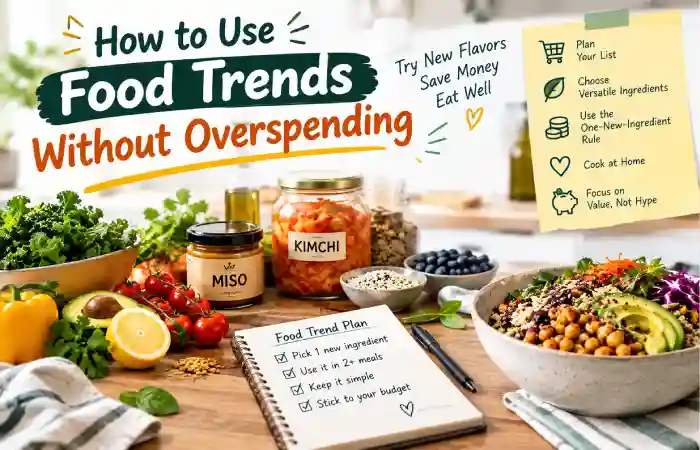
Food trends can become expensive when consumers buy specialty products without a plan.
Use the one-new-ingredient rule: choose one unfamiliar ingredient each week and use it in at least two meals.
For example:
Miso → soup + vegetable glaze
Yuzu → sparkling drink + dressing
Kimchi → rice bowl + omelet
Tahini → hummus + salad dressing
Barley → soup + grain bowl
This creates experimentation without turning your grocery bill into a trend-shopping spree.
Final Takeaway
Check out the toptenlast newest food trends jalbiteblog search topic which is dominating every search. How can one best keep up with all this by not googling the most instagram searched recipes? A key way to find out is simply knowing which meal types are posted most.
Below are the top repeating themes in 2026 related to the future of the food industry: fiber, convenient, global flavors, fermentation, plant forward, min and elevated food at home
For my readers, that is the most simple advice I can give: Make 1 trend, try 1 ingredient, prepare 1 meal and determine whether it’s worth keeping in your kitchen.
Afiya Jafar is a fitness and wellness writer who focuses on making health, exercise, and healthy lifestyle information simple and practical. Her work covers workouts, fitness motivation, strength training, nutrition, weight management, stress management, mindfulness, and everyday wellness.
Read full bio of Afiya Jafar
Sameena reviews selected health, wellness, fitness, and digital content for clarity, factual presentation, and reader usefulness.
Read full bio of Sameena Begum