
 Afiya Jafar
Fitness & Wellness Writer
Afiya Jafar is a fitness and wellness writer who focuses on making health, exercise, and healthy lifestyle information simple and practical.
Read Full Bio of Author →
Afiya Jafar
Fitness & Wellness Writer
Afiya Jafar is a fitness and wellness writer who focuses on making health, exercise, and healthy lifestyle information simple and practical.
Read Full Bio of Author →
 Sameena Begum
Health, Fitness & Digital Content Reviewer
Sameena reviews selected health, wellness, fitness, and digital content for clarity, factual presentation, and reader usefulness.
Read Full Bio of Reviewer →
Sameena Begum
Health, Fitness & Digital Content Reviewer
Sameena reviews selected health, wellness, fitness, and digital content for clarity, factual presentation, and reader usefulness.
Read Full Bio of Reviewer →
 Dr. Khizrana Begum
General Physician & Dermatologist
Dr. Khizrana Begum is a General Physician and Dermatologist with MBBS and MD qualifications and 5+ years of experience in the medical field.
Read Full Bio of Medical Reviewer →
Dr. Khizrana Begum
General Physician & Dermatologist
Dr. Khizrana Begum is a General Physician and Dermatologist with MBBS and MD qualifications and 5+ years of experience in the medical field.
Read Full Bio of Medical Reviewer →
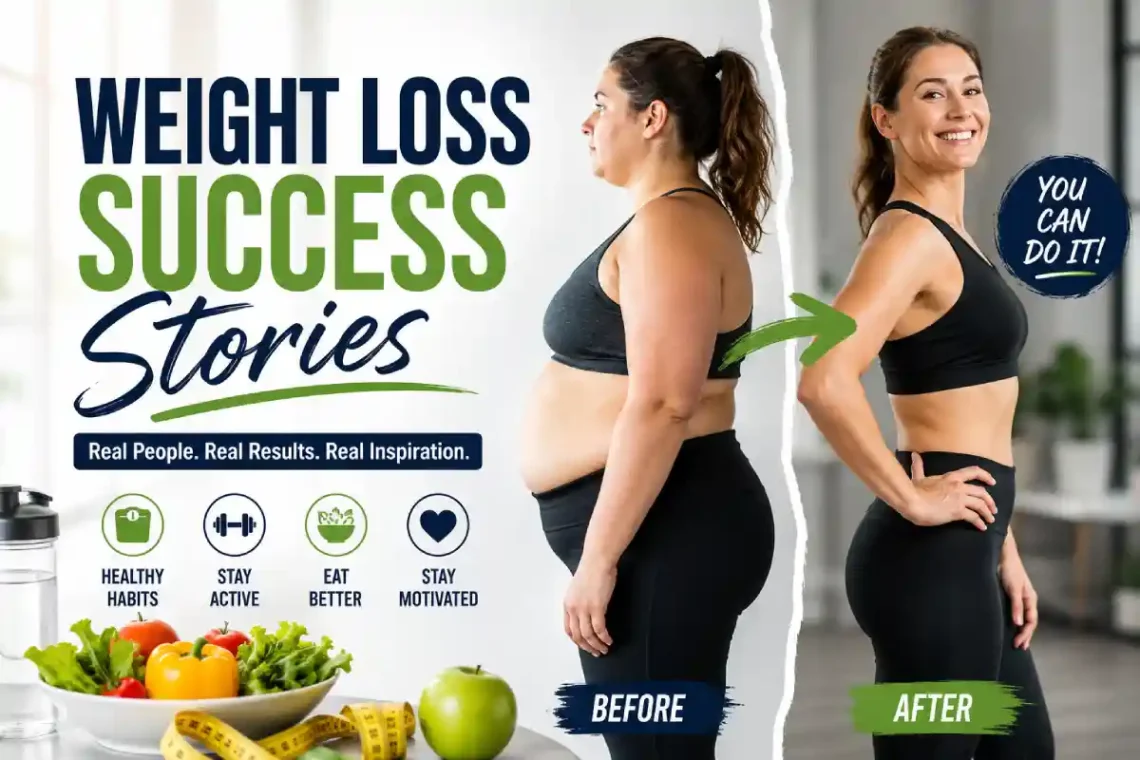
Weight loss isn’t about reaching a smaller number on the scale – true, long-term transformation comes from changing our habits, being consistent, and understanding how to come back after mistakes rather than seeking rapid fixes. In this content we will uncover what habits resulted in success (10 lbs to 100+ lbs Weight Loss Success Stories), how these individuals managed sustained success over time, and lessons you can implement into your own journey.
❝
This article is a part of
Weight Loss Motivation Hub
Why Success Stories Matter
Ongoing research released by major health associations suggests that ongoing role modeling and consistent behaviors provide a solid foundation for the long-term prevention and management of weight.
Reading real success stories helps people:
- Build confidence
- Stay motivated
- Learn practical strategies
- Avoid common mistakes
- Develop realistic expectations
Common Habits of Successful People
These inspiring stories are just one part of a successful journey. Explore our complete weight loss motivation guide for practical tips and long-term strategies.
There are always some new ways to be a new. Every transform is not just the same as the other one. But here are few habits followed by people in most of there day.
- They Focus on Consistency
They don’t try to be perfect.
Instead they:
- Exercise regularly
- Eat balanced meals
- Track progress
- Return to healthy habits after setbacks
- They Prioritize Protein
High-protein meals help:
- Reduce hunger
- Preserve muscle
- Improve recovery
- Increase fullness
Good options include:
- Eggs
- Greek yogurt
- Cottage cheese
- Fish
- Chicken
- Lentils
- Beans
- Tofu
- They Stay Active Daily
Exercise isn’t limited to the gym.
Many successful people:
- Walk 8,000–10,000 steps
- Take stairs
- Stretch during work
- Perform strength training 3–4 times weekly
- They Sleep Better
Poor sleep affects:
- Hunger hormones
- Recovery
- Energy
- Food cravings
Most successful people aim for 7–9 hours of quality sleep.
Comparison Table: Common Daily Habits
Many successful transformations started with setting realistic weight loss goals that were achievable and sustainable.
| Habit | Poor Results | Successful Weight Loss |
| Exercise | Inconsistent workouts | 150–300 minutes/week |
| Protein Intake | Low | High |
| Water Intake | Less than 1 liter | 2–3 liters/day |
| Sleep | Under 6 hours | 7–9 hours |
| Meal Planning | Random eating | Weekly |
| Progress Tracking | Rarely | Weekly |
Building Consistency

Motivation starts the journey.
Consistency finishes it.
Create Small Goals
Instead of saying:
“I’ll lose 30 kg.”
Try:
- Walk 30 minutes daily
- Eat vegetables twice daily
- Drink more water
- Strength train three times weekly
Small wins build momentum.
Track Progress Beyond Weight
Successful people monitor:
- Waist measurement
- Energy levels
- Strength improvements
- Clothing fit
- Fitness performance
The scale doesn’t tell the whole story.
Meal Prep
Helpful strategies include:
- Cooking in batches
- Preparing healthy snacks
- Keeping protein ready
- Packing lunches
Overcoming Setbacks
Every successful story includes obstacles.
Common challenges include:
- Holidays
- Stress
- Busy schedules
- Illness
- Weight plateaus
The difference is how people respond.
Instead of quitting, they restart immediately.
Every success story highlights the importance of developing a strong weight loss mindset to overcome obstacles and stay consistent.
Healthy Responses to Setbacks
| Challenge | Better Response |
| Missed workout | Continue tomorrow |
| Weight gain | Review habits calmly |
| Overeating | Return to normal meals |
| Vacation | Resume routine immediately |
| Plateau | Adjust calories or activity |
Behind every transformation are healthy habits for weight loss that support lasting lifestyle changes.
Learn Instead of Giving Up
Ask yourself:
- What caused this setback?
- What can I improve?
- What worked previously?
Healthy Lifestyle Changes
Change actually does come about from the creation of sustainable practices. (Mayo Clinic)
Eat More Whole Foods
Successful people usually increase:
- Vegetables
- Fruits
- Lean protein
- Whole grains
- Healthy fats
while reducing:
- Sugary drinks
- Highly processed foods
- Excess fast food
Strength Training
Recommended:
- 2–4 strength sessions weekly
Stay Hydrated
Water helps:
- Reduce hunger
- Improve digestion
- Support workouts
- Improve energy
Many people mistake thirst for hunger.
Manage Stress
High stress often leads to emotional eating.
Helpful strategies:
- Walking
- Meditation
- Journaling
- Yoga
- Deep breathing
Staying Motivated

Motivation comes in spurts in our lives. It will be present naturally at some points and gone at others. High performers don’t rely on how they feel. They rely on their systems.
Celebrate Small Wins
Many people featured in these stories had to overcome a weight loss plateau before reaching their ultimate goals.
Examples include:
- Completing workouts
- Choosing healthier meals
- Drinking enough water
- Improved blood pressure
- Better endurance
Every victory counts.
Find Support
Support may come from:
- Family
- Friends
- Fitness groups
- Online communities
- Personal trainers
Accountability increases success.
Remember Your “Why”
Write down your reasons.
Examples:
- Better health
- More confidence
- Playing with children
- Preventing disease
- Feeling energetic
Read them often.
2026 Research Snapshot
Lifestyle Factors Linked With Better Weight Loss Outcomes
| Lifestyle Factor | Estimated Long-Term Success Rate* |
| Regular Exercise | High |
| Meal Planning | High |
| Strength Training | Moderate to High |
| Sleep 7–9 Hours | Moderate |
| Food Tracking | Moderate to High |
| Crash Dieting | Low |
Several successful individuals used a weight loss journal to track progress, identify patterns, and stay accountable.
*Based on findings from recent obesity, nutrition, and exercise research synthesized from major public health organizations through 2026.
Product Comparison
| Solution | Pros | Best For | Cons |
| Food Tracking App | Easy calorie tracking | Beginners | Requires daily logging |
| Smart Scale | Tracks trends | Progress monitoring | Can encourage scale obsession |
| Fitness Tracker | Measures steps and workouts | Activity monitoring | Battery charging required |
| Meal Prep Containers | Portion control | Nutrition planning | Requires preparation |
| Resistance Bands | Affordable and portable | Home workouts | Limited maximum resistance |
Key Takeaways
The greatest stories of success are about no breakthrough at all, only repetition. You can eat your favorite dessert but that will only count toward your goals if you can turn it around and continue the behaviors that made you feel successful. Those who are able to successfully keep weight off focus more on mindful nutrition, exercise, proper sleep, de-stress, and realistic outlook than perfections.
Don’t take the path of short cuts, invest in a lifestyle change you’re willing to maintain for decades. Even a little growth added to your routine daily adds up to a huge difference.
Frequently Asked Questions
Are weight loss success stories realistic?
Totally yes! Real successful stories are about making changes to our life style which can be made and kept long time ago instead of being skinny for only 2 weeks for instance.
When will it take to loss weight for a healthy way?
For a good way it’s about 0.5–1kg (1-2 lbs)per week. It varies from person to person depending on starting weight, diet, activity, health etc.
What is the single biggest reason people maintain their weight loss?
Consistency. Health eating, exercise and lifestyle changes need to be consistent in order for the weight loss to be long-lasting, rather than relying on motivation which cannot always be maintained.
Do I need to exercise everyday?
No. Generally a minimum of 150 minutes moderate physical activity per week needs to be incorporated along with strength training twice a week or more.
Can beginners maintain weight loss?
Yes. Beginner goals such as walk everyday, balanced eating and weight tracking can be maintained long term.
Conclusion
Every weight loss inspiration and story begins with one single choice to change, and then one consistent step taken to create that change lasting, through the journey. Of course, these weight loss success stories all differ, but the very common factor amongst the individuals who achieve the goals is this: consistency, balanced eating, staying mobile, bouncing back after slips, and a series of many small wins.
Lasting loss is not the pursuit of the “perfect diet plan,” or the “ideal fitness programme” but rather the building of the routines that you’ll be able to stick to over time. There’s the usual rise and fall, don’t fret and continue. Try not to become disheartened, even through slip ups, for they are inevitable and part of progress. The best is for steady improvements rather than a perceived notion of perfection.
Afiya Jafar is a fitness and wellness writer who focuses on making health, exercise, and healthy lifestyle information simple and practical. Her work covers workouts, fitness motivation, strength training, nutrition, weight management, stress management, mindfulness, and everyday wellness.
Read Full Bio of Afiya Jafar →
Sameena Begum reviews selected health, wellness, fitness, and digital content for clarity, factual presentation, consistency, and reader usefulness. Her review work helps maintain clear and responsible editorial standards across PhysicalFitt content.
Read Full Bio of Sameena Begum →
Dr. Khizrana Begum is a qualified medical professional with MBBS and MD qualifications and 5+ years of experience in the medical field. She works as a General Physician and Dermatologist, with expertise in general medicine, dermatology, preventive healthcare, and skin health.
Read Full Bio of Dr. Khizrana Begum →